Have you ever spotted a mysterious “Calcenjy Top Charge” on your credit card statement and wondered what it means? If so, you’re not alone.
Unexpected charges can be confusing and even stressful, especially when you’re unsure whether the transaction is legitimate or a mistake. Understanding what this charge is, why it appears, and how to handle it is crucial to keeping your finances secure and under control.
You’ll discover everything you need to know about the Calcenjy Top Charge on credit card, helping you quickly identify the charge, decide if it’s valid, and take the right steps if it’s not. Keep reading to protect your wallet and gain peace of mind.
Visit here for more information of any Charges on credit card or debit card
Credit Card Charges Explained
Understanding credit card charges helps you manage your expenses better. Charges vary depending on how and where you use your card. Knowing these charges can prevent surprises on your bill. It also helps you decide the best way to pay.
Types Of Charges
Credit card charges include interest, fees, and surcharges. Interest charges apply if you carry a balance past the due date. Fees can be annual, late payment, or cash advance fees. Each charge type affects your total payment differently.
Merchant Fees
Merchants pay fees to accept credit card payments. These fees cover processing and handling costs. Sometimes, merchants pass these fees to customers. This practice can increase the price of your purchase.
Common Credit Card Surcharges
Surcharges are extra costs added for using a credit card. They may appear as a percentage of the transaction. Common surcharges include convenience fees and foreign transaction fees. Knowing these helps you avoid unexpected costs.
Identifying Unfamiliar Charges
Unfamiliar charges on your credit card statement can cause confusion and worry. Identifying these charges quickly helps protect your finances and avoid fraud. Understanding how to check and verify each transaction is essential for every cardholder.
This section explains simple steps to identify unknown charges easily. Follow these tips to confirm if a charge is legitimate or needs further action.
Reviewing Your Statement
Start by carefully examining your credit card statement. Look at the date, amount, and merchant name for each transaction. Sometimes, merchant names appear differently than expected.
Check if the charge matches any recent purchases or subscriptions. Note any unfamiliar entries to investigate further.
Searching Merchant Details Online
Type the merchant name exactly as shown on your statement into a search engine. This helps find the business website or contact information quickly. Many merchants list their charges online.
Look for customer reviews or forums discussing the merchant. This can clarify what the charge might be for and if others have had similar questions.
Using Your Card Account Tools
Log in to your credit card account through the website or mobile app. Most issuers provide extra details about transactions here. You may find the merchant’s phone number or a description of the purchase.
Use these tools to check recurring charges or pending transactions. These features help spot mistakes or unauthorized use faster.
Recurring And Subscription Charges
Recurring and subscription charges often appear on credit card statements without much notice. These charges are automatic payments for services or products you signed up for. They can include streaming services, gym memberships, software subscriptions, and more. Monitoring these charges helps avoid unexpected expenses and keeps your finances in control.
Spotting Recurring Payments
Recurring payments usually show the same merchant name and amount each billing cycle. They often appear monthly but can be weekly or yearly. Check your credit card statement carefully to identify these patterns. Some merchants use different names, so note any unfamiliar but regular charges. Keeping a list of your subscriptions helps track these payments easily.
Managing Forgotten Subscriptions
Forgotten subscriptions can drain your budget silently. Review your statements every month to spot any charges you no longer need. Cancel unwanted services by contacting the merchant or using their website. Use apps or tools that alert you about active subscriptions linked to your card. Staying proactive prevents overspending and keeps your credit card charges clear.
Dealing With Unauthorized Transactions
Unauthorized transactions on your credit card can cause worry and confusion. Acting quickly helps limit damage and protects your finances. Knowing how to spot fraud and report it is important. This section guides you through handling unauthorized charges on your Calcenjy Top Charge credit card.
Signs Of Fraudulent Charges
Unexpected purchases from unknown stores can signal fraud. Look for charges that are larger than usual or appear multiple times. Strange dates or locations also raise concern. Pay attention to transactions you do not remember making. These signs help you catch fraud early.
Steps To Report Fraud
First, contact your credit card issuer immediately. Use the phone number on the back of your card. Explain the suspicious charges clearly and provide details. The issuer will freeze or block your card to stop further misuse. They will also start an investigation and may issue a new card. Keep records of all communications for your reference.
Protecting Your Account
Regularly review your statements for unknown charges. Set up alerts to notify you of large or unusual transactions. Use strong passwords and change them often for your online account. Avoid sharing card details on unsecured websites or over the phone. Secure your devices with updated antivirus software. These steps reduce the risk of future fraud.
Contacting Merchants For Clarification
Contacting merchants directly helps clarify credit card charges quickly. Clear communication can resolve confusion without delays. Speaking with the merchant reveals details not always shown on statements. This step often prevents unnecessary disputes and protects your credit score.
Finding Merchant Contact Info
Start by checking your credit card statement for the merchant’s name. Visit the merchant’s official website for contact details. Look for customer service phone numbers or email addresses. Use online search engines if the statement info is unclear. Some credit card apps show expanded merchant details including contact info.
Questions To Ask
Ask the merchant to explain the charge date and amount. Request details about the purchased product or service. Confirm if the charge matches a recent order you made. Inquire about subscription renewals or trial periods. If the charge seems incorrect, ask why it was processed.
Resolving Disputes Directly
Many issues settle faster by talking directly to the merchant. Explain your concern calmly and clearly. Ask if a refund or correction is possible. Keep records of your communication for future reference. If the merchant cannot resolve the issue, contact your credit card issuer next.
How Credit Card Top Charges Work
Understanding how credit card top charges work helps you manage your expenses better. These extra fees might appear on your statement and cause confusion. Knowing what they are and why they are applied can save you from surprises.
What Is A Top Charge?
A top charge is an additional fee added to your credit card transaction. It is separate from the purchase price and usually covers extra costs. These fees can appear as service charges or processing fees.
Why Merchants Apply Them
Merchants apply top charges to cover costs that go beyond the product price. These include credit card processing fees or special service costs. Sometimes, they help merchants recover small losses from certain transactions.
When You Might See These Fees
You might see top charges during special transactions like bill payments or ticket purchases. Some stores add these fees for phone or online orders. These charges often show up when the merchant’s processing costs are higher.
Avoiding And Minimizing Extra Fees
Extra fees on credit card payments can add up quickly. Avoiding and minimizing these costs helps keep your expenses low. Small changes in how you pay or communicate can save money. Understanding fees and charges is the first step to smarter spending.
Choosing Payment Methods
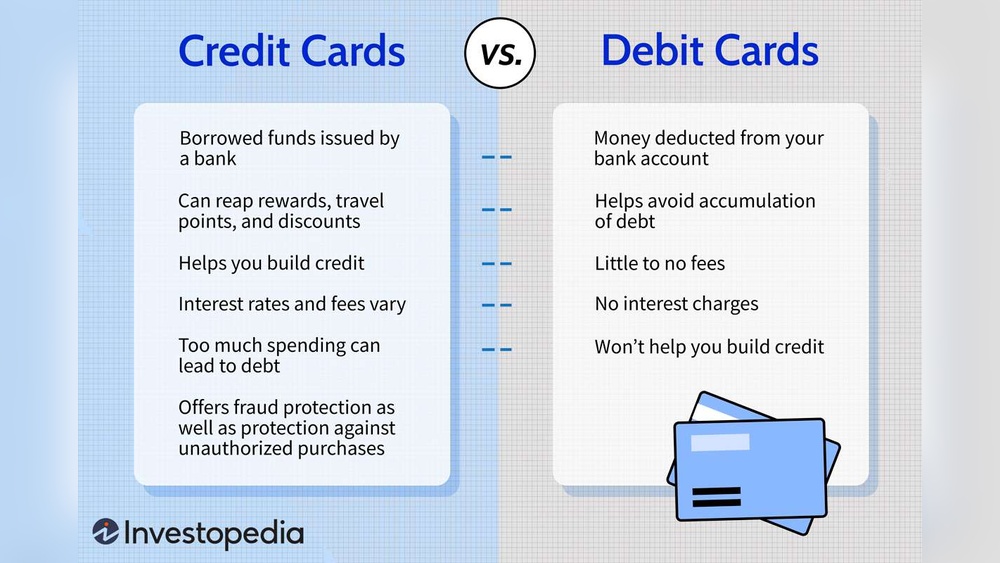
Some payment methods cost less than others. Debit cards often have fewer fees than credit cards. Paying with cash avoids card surcharges completely. Digital wallets sometimes offer lower fees or promotions. Always check the payment options before buying.
Understanding Surcharge Policies
Merchants set their own surcharge rules. These fees cover the cost of card processing. Laws in some regions limit how much can be charged. Read the store’s policy or ask before you pay. Knowing these details helps avoid surprise fees at checkout.
Negotiating With Merchants
Some merchants may lower or waive fees on request. Politely ask if they can reduce the surcharge. Buying more items or paying in cash can help your case. Building a good relationship with sellers encourages fee flexibility. A simple conversation often leads to savings.
Tools And Resources
Managing your credit card charges effectively requires the right tools and resources. These help you track spending, avoid surprises, and handle any unexpected charges. Using simple digital tools and practical financial tips can make a big difference in understanding your Calcenjy top charge on credit card.
Using Mobile Apps And Alerts
Mobile apps from your credit card provider are essential. They show real-time transaction details and send instant alerts for new charges. These alerts help you spot unauthorized or unknown charges quickly. You can also set spending limits and reminders to stay within your budget. Using these apps regularly keeps you informed and in control.
Financial Management Tips
Keep a close record of your expenses every month. Use a simple spreadsheet or budgeting app to track charges. Review your statements carefully to spot any unfamiliar fees. Pay your balance on time to avoid interest and extra charges. Setting a monthly budget for credit card use helps prevent overspending. Small habits like these improve your financial health.
Where To Get Help
Contact your credit card company’s customer service for any unclear charges. Many companies offer 24/7 support by phone or chat. You can also visit your bank branch for face-to-face assistance. Consumer protection agencies provide guidance if you face fraud or disputes. Don’t hesitate to ask for help to keep your credit safe and secure.
Frequently Asked Questions
How Do I Find Out What A Credit Card Charge Is For?
Check your credit card statement for the merchant’s name and transaction details. Search online for the merchant or contact them directly. Review recent subscriptions or ask authorized users. If the charge is unfamiliar, contact your card issuer to dispute it immediately.
Why Is There A 3% Charge On Credit Cards?
The 3% credit card charge covers processing fees merchants pay to card companies. It helps cover transaction costs and fraud protection.
How To Figure Out Finance Charge On Credit Card?
Calculate your finance charge by multiplying your average daily balance by the daily periodic rate. Then, multiply by the billing cycle days. Check your credit card statement for the annual percentage rate (APR) and billing cycle length to get accurate results.
How To Avoid Extra Charges On Credit Cards?
Avoid extra credit card charges by paying your balance on time and in full. Monitor statements regularly for unauthorized fees. Use cards within your credit limit. Opt out of cash advances and foreign transactions if possible. Set up alerts to track spending and due dates.
Conclusion
Understanding Calcenjy top charges on your credit card helps avoid surprises. Always check your statement carefully for unfamiliar charges. Use online tools or contact merchants to clarify unknown transactions. Monitor recurring payments to catch forgotten subscriptions early. Act quickly if you suspect fraud by contacting your card issuer.
Staying alert protects your finances and keeps your credit card safe. Simple steps make managing charges easier and stress-free.