Are you tired of watching your operational costs eat into your profits? Imagine cutting expenses without sacrificing quality or efficiency.
Business automation offers exactly that—a powerful way to streamline your daily tasks and save money at the same time. You’ll discover easy-to-use tools designed to lighten your workload and boost your bottom line. Keep reading to find out how you can transform your business and start saving smarter, not harder.
Benefits Of Business Automation
Business automation offers many benefits that help companies save money and work better. It reduces the need for manual work and speeds up daily tasks. Automation also lowers the chance of mistakes and helps use resources wisely. These benefits make businesses more efficient and competitive.
Cutting Down Labor Costs
Automation reduces the need for many manual tasks. Businesses spend less on hiring and training staff. It allows employees to focus on more important work. This lowers overall labor expenses without losing productivity.
Enhancing Process Speed
Automated systems complete tasks much faster than humans. This helps finish orders and services quickly. Faster processes mean better customer satisfaction and more business. Speed also helps meet deadlines and reduce delays.
Minimizing Human Errors
Automation follows exact steps every time. It reduces mistakes caused by tiredness or distraction. Fewer errors mean less rework and fewer complaints. This improves the quality of products and services.
Improving Resource Allocation
Automation helps use materials and time more wisely. It tracks resources and reduces waste. Businesses can assign workers to tasks that need human skills. This leads to better use of all resources and higher profits.

Credit: www.supplychaintoday.com
Key Automation Tools
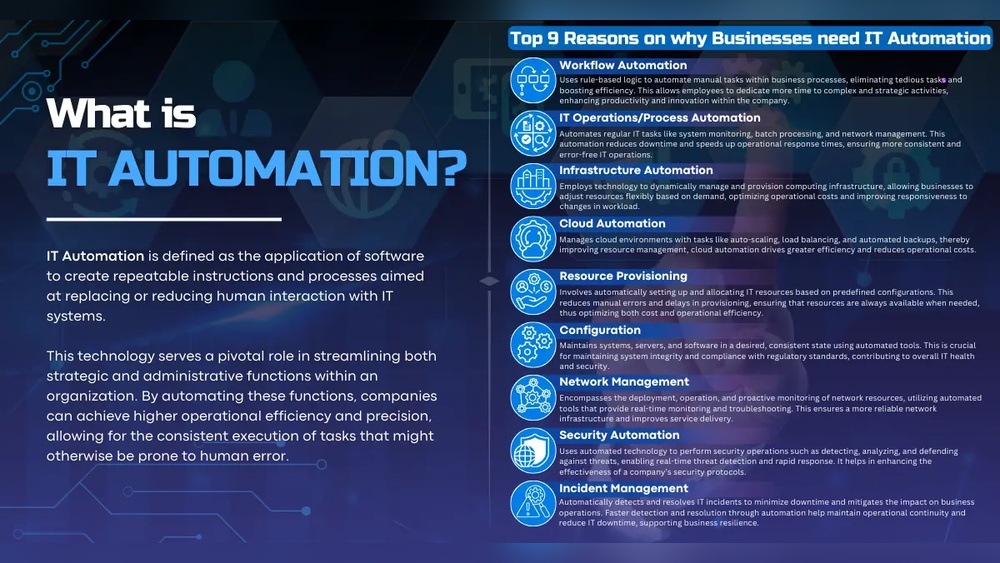
Automation tools help businesses save time and money. They reduce manual work and improve accuracy. These tools streamline daily tasks and boost efficiency.
Choosing the right automation tools depends on your business needs. Here are some key tools that lower operational costs effectively.
Workflow Management Software
Workflow management software organizes tasks and projects. It tracks progress and automates routine actions. Teams stay on schedule and avoid mistakes.
This software helps reduce delays and improves team communication. Businesses save time by automating task assignments.
Robotic Process Automation (rpa)
RPA uses software robots to handle repetitive tasks. These robots work 24/7 without errors. They perform data entry, invoice processing, and more.
RPA cuts labor costs and speeds up operations. It frees employees to focus on important work.
Customer Relationship Management (crm) Systems
CRM systems manage customer data and interactions. They automate sales, marketing, and customer support tasks. This leads to better customer service.
Businesses track leads and sales easily. CRM helps improve customer retention and sales growth.
Accounting And Finance Automation
Automation tools in accounting reduce manual bookkeeping. They handle invoicing, payroll, and tax calculations. Errors decrease and reports generate faster.
These tools save time and lower accounting costs. They provide real-time financial data for better decisions.
Inventory Management Solutions
Inventory automation tracks stock levels and orders. It prevents overstocking and stockouts. This keeps costs low and sales steady.
Automated systems update inventory in real-time. Businesses improve supply chain efficiency and reduce waste.
Choosing The Right Tools
Choosing the right tools for business automation is key to cutting costs effectively. The tools must fit the specific needs of your business. They should grow with your company and work well with your current systems. Easy-to-use tools reduce training time and errors. Balancing cost and benefit ensures smart spending.
Assessing Business Needs
Start by identifying repetitive tasks that waste time and money. List the processes that slow down operations. Understand what problems automation should solve. This step helps select tools that target real issues. Avoid tools with unnecessary features. Focus on what brings value and saves money.
Scalability And Integration
Choose tools that grow with your business size. Scalability prevents extra costs from switching systems later. Check if tools easily connect with existing software. Smooth integration avoids data loss and confusion. Ensure tools support your future business plans. This saves money and effort in the long run.
User-friendliness And Training
Pick tools that employees find easy to use. Simple tools reduce mistakes and speed up work. Consider the time and cost of training staff. Look for clear guides and support from the provider. User-friendly tools improve adoption and productivity. This lowers hidden costs of automation.
Cost-benefit Analysis
Compare the price of tools with expected savings. Include setup, subscription, and maintenance costs. Estimate time saved and error reduction benefits. Choose tools offering the best return on investment. Avoid expensive tools that don’t fit your needs. Smart spending keeps your budget healthy.
Credit: www.kovaion.com
Implementing Automation Successfully
Implementing automation in business can lower costs and boost efficiency. Success depends on careful steps. Each phase matters to avoid mistakes and extra expenses. A smooth process helps teams adapt and reach goals fast.
Planning And Strategy
Start with clear goals for automation. Know which tasks waste time or money. Choose tools that fit your business size and needs. Plan budget and timeline realistically. Set measurable targets to track progress.
Employee Involvement
Include employees early in the process. Explain benefits and changes clearly. Listen to their concerns and ideas. Training helps them use new tools well. Support from staff improves adoption and results.
Pilot Testing
Test automation on a small scale first. Pick one department or process to try out. Watch how tools perform and spot issues. Gather feedback from users and fix problems. Pilot testing lowers risk before full rollout.
Monitoring And Optimization
After launch, track key performance indicators regularly. Check if automation meets cost and time goals. Use data to find weak points or errors. Adjust settings or processes to improve results. Continuous monitoring keeps automation effective.
Measuring Cost Reduction
Measuring cost reduction is a key step in business automation. It helps you see if your tools really save money. You need clear ways to check changes in your expenses. This keeps your business on track and improves your decisions.
Tracking Operational Metrics
Start by choosing the right metrics to track. Look at costs like labor, time, and errors. Use software to collect data automatically. Compare numbers before and after automation. This shows where you cut expenses and improved processes.
Analyzing Roi
Calculate the return on investment carefully. Add all costs of buying and running tools. Compare them to the money saved or earned. A positive ROI means your automation pays off. Use this analysis to support future investments.
Adjusting For Continuous Improvement
Cost reduction is not a one-time goal. Review your results regularly to find new savings. Change your strategies based on data and feedback. Keep refining automation to reduce costs further. This habit helps your business stay efficient and competitive.

Credit: sonar.software
Future Trends In Business Automation
The future of business automation promises many changes that help companies save money. New tools and methods will make daily tasks easier. Businesses can expect smarter systems that learn and adapt. This will reduce errors and increase efficiency. Automation will become more flexible and available to smaller businesses.
Ai And Machine Learning Integration
Artificial intelligence (AI) and machine learning are shaping automation’s future. These technologies help systems analyze data quickly. They improve decision-making without human input. Tasks like customer support and inventory management get faster and more accurate. AI learns from patterns to predict issues before they happen. This reduces downtime and cuts costs.
Cloud-based Automation Tools
Cloud technology makes automation tools easier to access and use. Businesses no longer need expensive hardware to run systems. Cloud tools offer updates automatically, keeping software current. They allow teams to work from anywhere with internet access. This lowers IT expenses and supports remote work. Cloud-based automation is scalable, growing with the business.
Increased Customization
Automation tools will become more customizable to fit specific needs. Companies can choose features that match their workflows. Custom options improve user experience and task accuracy. This reduces wasted time on irrelevant functions. Tailored automation helps businesses focus on what matters most. It also supports unique industry requirements.
Automation In Small Businesses
Small businesses will benefit more from affordable automation tools. These tools help handle tasks with fewer staff. Automation saves time on invoicing, scheduling, and customer management. It allows small businesses to compete with larger companies. As tools become simpler, small business owners can manage automation themselves. This trend boosts growth and reduces operational costs.
Frequently Asked Questions
What Are The Best Tools For Business Automation?
Top business automation tools include Zapier, HubSpot, and Asana. They streamline workflows, reduce manual tasks, and improve efficiency. Choose tools based on your industry and specific operational needs for maximum cost savings and productivity.
How Does Automation Reduce Operational Costs?
Automation cuts labor costs by handling repetitive tasks efficiently. It minimizes human errors, speeds up processes, and improves resource management. This leads to lower expenses and higher profitability for businesses of all sizes.
Can Small Businesses Benefit From Automation Tools?
Yes, small businesses gain increased efficiency and reduced overhead costs through automation. These tools help manage customer relations, inventory, and accounting, allowing small teams to focus on growth and innovation without extra hiring.
Which Processes Should Be Automated First?
Start automating repetitive, time-consuming tasks like invoicing, email marketing, and data entry. Prioritize areas that consume most resources to quickly reduce costs and free up employees for strategic work.
Conclusion
Business automation saves time and cuts costs effectively. Many tools help streamline daily tasks and reduce errors. Small changes can lead to big savings over time. Choosing the right tools fits each business’s unique needs. Start simple and build as you learn what works best.
Automation lets your team focus on important work. Keep improving processes for steady growth and success. Embrace automation as a smart step toward efficiency.