
If you’re thinking about investing in cryptocurrency, you’ve probably heard a lot about Bitcoin and Ethereum. Both have huge followings, but which one is actually better for your money?
Choosing between Bitcoin and Ethereum can feel confusing, especially when their prices swing and the market changes fast. You want to make a smart decision that fits your goals and risk tolerance. You’ll discover the key differences, potential benefits, and risks of both coins.
By the end, you’ll have a clearer picture of which investment might suit you best. Ready to find out which crypto could boost your portfolio? Let’s dive in.

Credit: money.usnews.com
Bitcoin And Ethereum Basics
Understanding the basics of Bitcoin and Ethereum is key to deciding which suits your investment goals. Both cryptocurrencies have unique features and purposes. They operate on blockchain technology but serve different roles in the digital world.
Origins And Purpose
Bitcoin was created in 2009 by an unknown person named Satoshi Nakamoto. It aimed to be a digital alternative to money. Bitcoin focuses on peer-to-peer payments without banks.
Ethereum launched in 2015, created by Vitalik Buterin. It goes beyond payments and supports smart contracts. These contracts automate agreements without third parties.
Blockchain Technology
Bitcoin uses a simple blockchain that records transactions securely. Its network is designed to prevent fraud and double-spending.
Ethereum’s blockchain is more complex. It supports decentralized applications (dApps) and programmable contracts. This flexibility attracts many developers and businesses.
Tokenomics Overview
Bitcoin has a fixed supply of 21 million coins. This scarcity can increase its value over time.
Ethereum does not have a fixed limit but reduces new coin issuance through updates. Its tokens are used to pay for running applications on its platform.
Market Performance Comparison
The market performance of Bitcoin and Ethereum shows distinct patterns. Both cryptocurrencies attract investors worldwide. Understanding their price trends, volatility, and market size helps choose the better investment. This section compares these key performance indicators.
Historical Price Trends
Bitcoin started in 2009 and gained value steadily. It reached its peak around 2021 with massive growth. Ethereum launched in 2015 and grew faster initially. Its price surged during the DeFi and NFT booms. Both have experienced sharp rises and falls. Bitcoin shows a longer history of steady growth. Ethereum has shown more rapid price increases over shorter periods.
Volatility Patterns
Bitcoin is known for its high volatility. Its price can change significantly within days. Ethereum also shows strong volatility but often with larger swings. This can mean higher risk but also bigger rewards. Both markets react to news, regulations, and technology updates. Investors should expect sudden price movements in either coin.
Market Capitalization
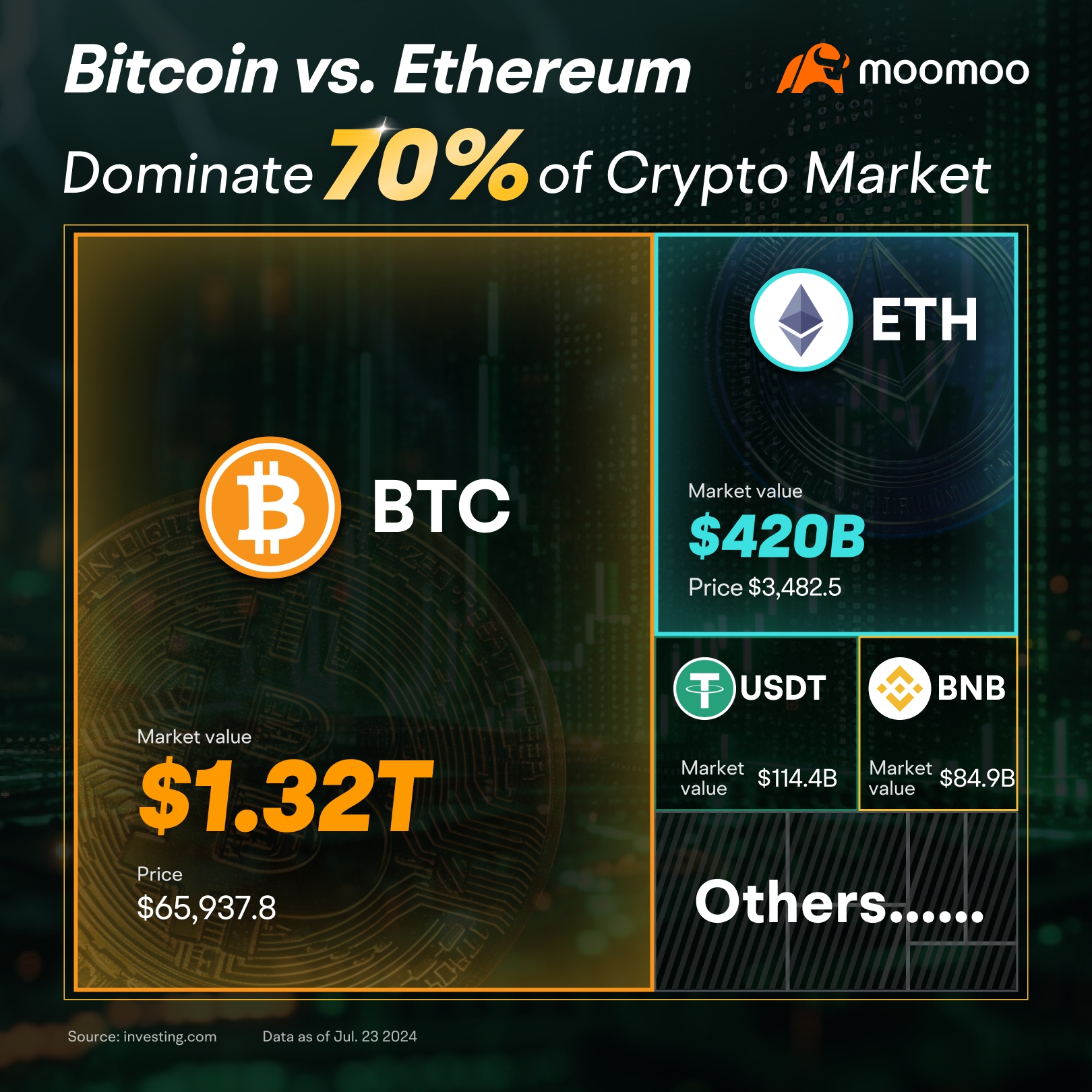
Bitcoin remains the largest cryptocurrency by market cap. It often holds 40-50% of the total crypto market. Ethereum ranks second, making up around 15-20%. Market cap reflects investor confidence and liquidity. A higher market cap suggests more stability. Bitcoin’s dominance shows its role as a digital gold. Ethereum’s market cap grows with its expanding uses.
Investment Potential
Choosing between Bitcoin and Ethereum for investment depends on their potential to grow and keep value. Both cryptocurrencies offer unique opportunities and risks. Understanding their investment potential helps make a smarter choice.
Long-term Value Storage
Bitcoin is often called digital gold. It has a limited supply of 21 million coins. This scarcity can help keep its value over time. Many investors trust Bitcoin for long-term storage of wealth.
Ethereum is different. It has no fixed supply limit. Its value depends on its use in apps and smart contracts. Ethereum’s value storage depends on technology adoption and network growth.
Growth Prospects
Ethereum has more growth potential due to its technology. It supports decentralized applications and smart contracts. These features attract developers and new projects.
Bitcoin’s growth is slower but steady. It focuses on being a secure and trusted store of value. Bitcoin’s network is large and widely accepted.
Risk Factors
Bitcoin faces risks like regulatory changes and high price swings. Its price can be very volatile in short periods.
Ethereum’s risks include technical challenges and competition from other blockchains. Its value depends on continuous innovation and network security.
Investors should assess their risk tolerance before investing in either cryptocurrency.
Technological Differences
Bitcoin and Ethereum are the two most popular cryptocurrencies. They differ a lot in technology. Understanding these differences helps decide which one fits your investment goals better.
Network Security
Bitcoin uses a proof-of-work system that relies on miners solving puzzles. This method makes Bitcoin very secure and hard to attack. Ethereum also started with proof-of-work but is moving to proof-of-stake. Proof-of-stake uses validators and requires less energy. Both networks are strong, but Bitcoin’s system is more tested and stable.
Transaction Speed And Costs
Bitcoin processes about 3 to 7 transactions per second. Ethereum handles around 15 to 30 transactions per second now. Ethereum plans to increase speed further with upgrades. Bitcoin’s transaction fees can rise during high demand. Ethereum’s fees vary but can be high too. Faster speeds and lower fees may attract users to Ethereum.
Smart Contract Capabilities
Bitcoin mainly works as digital money. Its scripting language is limited and not designed for complex contracts. Ethereum was built to run smart contracts. These are programs that run automatically when conditions meet. This feature allows Ethereum to support decentralized apps and finance systems. Smart contracts give Ethereum more use cases than Bitcoin.
Use Cases And Adoption
Understanding the use cases and adoption of Bitcoin and Ethereum helps identify their investment potential. Each platform serves different purposes and attracts unique user groups. Adoption trends reveal their real-world value and future growth possibilities.
Bitcoin As Digital Gold
Bitcoin acts as a store of value, similar to gold. People use it to protect wealth from inflation. It is scarce, with a maximum supply of 21 million coins. This limited supply increases demand and value over time. Many investors buy Bitcoin to hedge against economic uncertainty. Its growing acceptance by companies boosts its use as a digital asset.
Ethereum And Decentralized Apps
Ethereum powers decentralized applications (dApps) and smart contracts. It enables developers to create financial tools, games, and marketplaces without middlemen. This expands Ethereum’s use far beyond currency. The network supports decentralized finance (DeFi), allowing users to lend, borrow, and trade assets. Ethereum’s flexibility drives innovation and attracts many projects worldwide.
Institutional Interest
Institutional investors increasingly include Bitcoin and Ethereum in portfolios. Bitcoin is favored for its stability and recognition as digital gold. Ethereum attracts funds due to its growing ecosystem and technology upgrades. Large companies and funds buying these assets improve market confidence. This trend supports long-term adoption and price growth potential.
Credit: www.moomoo.com
Regulatory Environment
The regulatory environment plays a crucial role in shaping the investment landscape for Bitcoin and Ethereum. Rules and laws set by governments affect how these cryptocurrencies operate and evolve. Understanding these regulations helps investors make informed decisions. It also highlights potential risks and opportunities associated with each asset.
Legal Challenges
Bitcoin and Ethereum face different legal hurdles worldwide. Bitcoin often encounters scrutiny due to its use in illegal transactions. Some countries have banned or restricted Bitcoin trading. Ethereum, with its smart contract capabilities, faces challenges around securities laws. Regulators worry about decentralized applications that might break existing laws. Both cryptocurrencies must navigate complex legal frameworks that vary by region.
Impact On Investment
Regulatory uncertainty can lead to market volatility. Strict regulations might limit access to exchanges or wallets. This can reduce liquidity and investor confidence. Conversely, clear rules can boost adoption and stability. Bitcoin benefits from being the oldest and most recognized cryptocurrency. Ethereum’s innovative technology attracts institutional investors despite regulatory risks. Investors should weigh regulatory risks against potential rewards.
Future Outlook
Regulations will continue to evolve as governments understand cryptocurrencies better. Bitcoin may see increased acceptance as a digital store of value. Ethereum’s role in decentralized finance could attract more regulatory attention. Ongoing dialogue between regulators and developers aims to balance innovation with security. Investors should monitor regulatory trends to adapt strategies quickly. Staying informed is key to navigating the future crypto market.
Choosing The Right Investment
Choosing the right investment between Bitcoin and Ethereum depends on several key factors. Understanding these factors helps you make smarter decisions. Each cryptocurrency offers unique benefits and risks. Consider what fits best with your financial situation and goals.
Personal Investment Goals
Define your investment goals clearly. Are you seeking long-term growth or short-term gains? Bitcoin is known as digital gold and suits those aiming for value storage. Ethereum offers more utility through smart contracts and may appeal to tech-focused investors. Match your goals with the strengths of each coin.
Portfolio Diversification
Diversify your portfolio to reduce risk. Holding both Bitcoin and Ethereum can balance your investments. Bitcoin provides stability with its widespread recognition. Ethereum adds potential growth through its expanding ecosystem. Diversification spreads risk and increases chances for steady returns.
Research And Due Diligence
Research both cryptocurrencies thoroughly before investing. Study their technology, market trends, and community support. Follow credible news sources and expert analyses. Understand the risks involved in crypto markets. Proper research helps avoid impulsive decisions and protects your investment.
Credit: medium.com
Frequently Asked Questions
What If You Put $1000 In Bitcoin 5 Years Ago?
Investing $1000 in Bitcoin five years ago could have grown to tens of thousands of dollars. Bitcoin’s price surged significantly. However, its value also experienced high volatility and risk. Past gains don’t guarantee future returns. Always research thoroughly before investing in cryptocurrencies.
What Is The Best Crypto To Buy Right Now?
Bitcoin and Ethereum remain top crypto choices due to strong adoption and growth potential. Research and risk tolerance matter.
How Much Is $100 Dollars In Ethereum?
$100 in Ethereum varies with market price. Check live exchange rates on Coinbase or other crypto platforms for accuracy.
What If You Bought $1000 Of Ethereum 5 Years Ago?
Buying $1000 of Ethereum five years ago would likely yield significant returns. Ethereum’s price surged from under $10 to over $1,800 recently. This investment could have grown by more than 100 times, depending on exact timing and market conditions.
Conclusion
Choosing between Bitcoin and Ethereum depends on your investment goals. Bitcoin acts as digital gold, good for holding long-term value. Ethereum offers more uses with smart contracts and apps, which may boost its growth. Both have risks and price swings, so only invest what you can afford to lose.
Study each carefully before deciding. Patience and knowledge help you navigate this changing market. There is no one-size-fits-all answer. Think about what fits your plan best.