Are you struggling to make your small room feel more spacious and inviting? Choosing the right paint color can change everything.
The best paint colors for small rooms don’t just brighten up the space—they create an illusion of openness and warmth that makes you want to stay longer. Whether you want your room to look bigger or cozier, the perfect shade is waiting for you.
Keep reading to discover simple, effective color choices that will transform your small room into a beautiful, comfortable haven.

Credit: www.housebeautiful.com
Light Colors To Expand Space
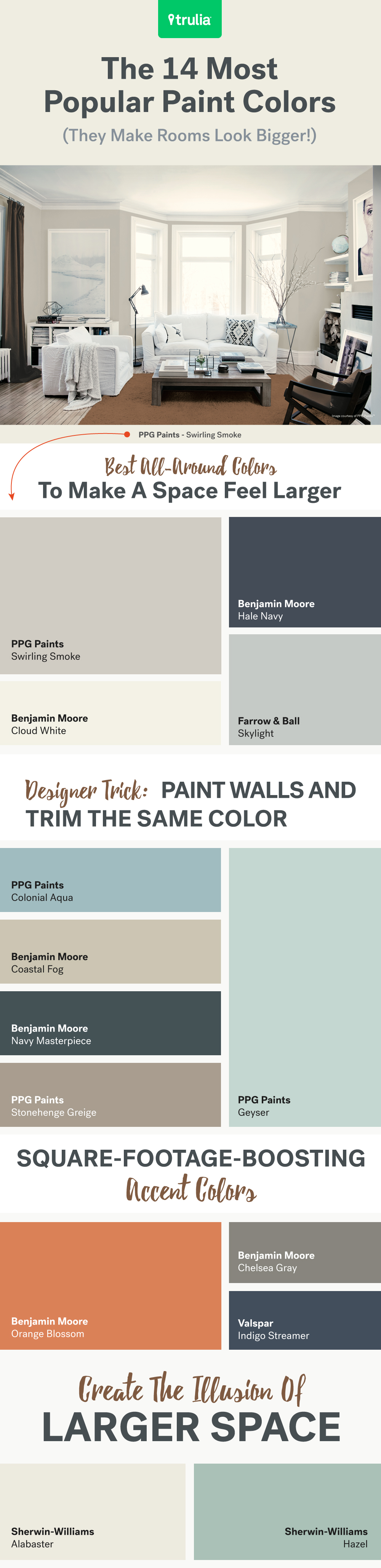
Light colors create a bright and open feel in small rooms. They reflect natural and artificial light, making spaces seem larger. Choosing the right light shade can transform cramped areas into airy, welcoming rooms. Simple tones work best to avoid visual clutter and keep the room fresh.
Whites And Creams
Whites and creams brighten walls and ceilings with a clean look. Soft white shades open up corners and enhance natural light. Cream tones add warmth without darkening the space. These colors blend well with most furniture styles and accents. They create a neutral base that feels calm and spacious.
Pale Grays And Soft Greens
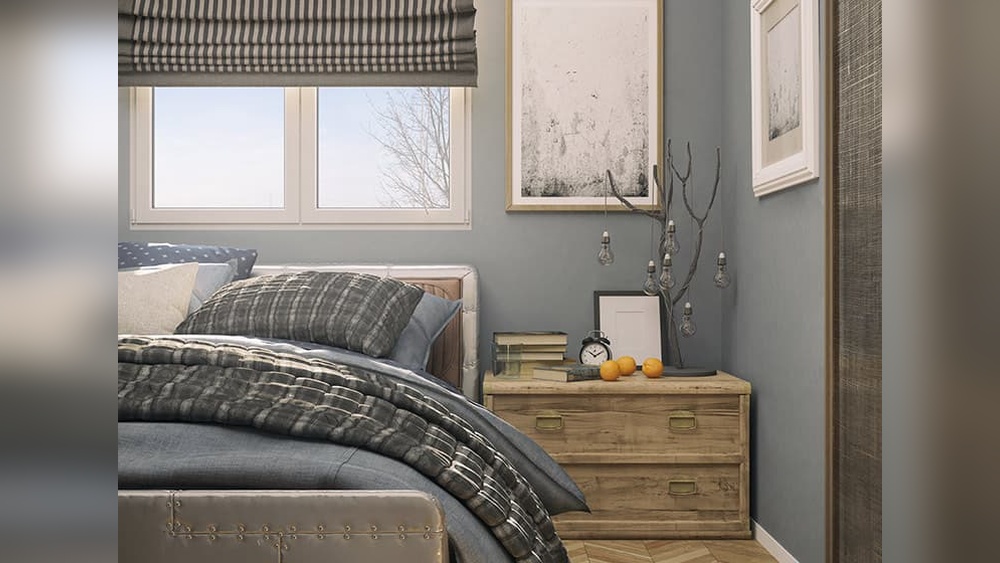
Pale grays offer a modern, subtle backdrop that keeps rooms bright. They add depth without making the space feel closed in. Soft greens bring a touch of nature inside, calming the senses. These hues pair well with wood and natural fabrics. They keep small rooms fresh and inviting.
Light Blues And Airy Shades
Light blues mimic the sky and water, giving a sense of openness. Airy shades like pale lavender or soft aqua add gentle color without heaviness. These cool tones soothe and relax, ideal for bedrooms or bathrooms. They make walls seem to recede, expanding the room visually.
Credit: www.extraspace.com
Warm Neutrals Replacing Gray
Warm neutrals are quickly replacing gray as the top choice for small rooms. These colors bring a cozy and inviting feel that cool grays often lack. They brighten spaces without feeling cold or sterile. Warm neutrals also work well with natural wood and stone accents. This trend creates a soft, natural look that suits many styles.
Beige And Taupe Variations
Beige and taupe shades add warmth without overwhelming a small room. They come in light and medium tones, making rooms feel larger and more open. These colors pair well with white trim and soft lighting. Taupe adds a touch of sophistication while keeping the space cozy. Beige offers a classic, timeless backdrop that suits many decor styles.
Warm Whites And Creams
Warm whites and creams replace harsh, bright whites in small rooms. They reflect light softly, enhancing the room’s size and warmth. Cream tones create a gentle glow that soothes the eyes. Warm whites feel fresh but less stark than pure white. These shades blend easily with colorful accents and natural textures.
Greige And Earth Tones
Greige, a mix of gray and beige, offers the best of both worlds. It has the calmness of gray with the warmth of beige. Earth tones like soft browns and muted greens deepen the cozy effect in small rooms. These colors create a grounded, natural atmosphere. They also complement wood furniture and plants beautifully.
Deep Shades For Cozy Rooms
Deep shades create a warm, cozy feeling in small rooms. Dark colors add depth and comfort. They make a space feel inviting and snug. Using deep shades can turn a small room into a relaxing retreat.
Choosing the right dark color helps balance the room’s size and light. These colors work well with soft lighting and natural textures. They bring a touch of elegance without overwhelming the space.
Dark Grays And Browns
Dark grays offer a modern and sleek look. They pair well with light furniture to create contrast. Browns, especially chocolate and espresso tones, add warmth and earthiness. These colors give a room a grounded and stylish feel. Both shades work well in living rooms and bedrooms.
Embracing Intimacy With Color
Deep shades make rooms feel intimate and personal. They invite you to relax and unwind. Using rich colors on walls makes the room feel like a safe haven. Soft fabrics and warm lighting enhance this cozy effect. The result is a space that feels both stylish and comforting.
Choosing Colors For Low Light
Deep colors can work well in rooms with little natural light. Choose shades with warm undertones to brighten the space. Dark blues and greens reflect light softly without making the room gloomy. Adding mirrors and light-colored accents helps keep the room balanced. Proper lighting is key to avoid a heavy, dark feel.
Credit: www.trulia.com
Trendy Accent Colors
Choosing the right accent colors can transform small rooms into cozy, stylish spaces. Trendy accent colors add personality without overwhelming the room. They create depth and interest while keeping the space open and inviting. Here are some of the top accent color trends perfect for small rooms.
Muted Greens And Olive
Muted greens and olive tones bring calmness to small rooms. These colors connect indoor spaces with nature. Olive creates warmth and pairs well with wood and neutral shades. Muted greens add a soft, fresh vibe that feels relaxing. They make small rooms feel grounded yet spacious.
Historical Pinks
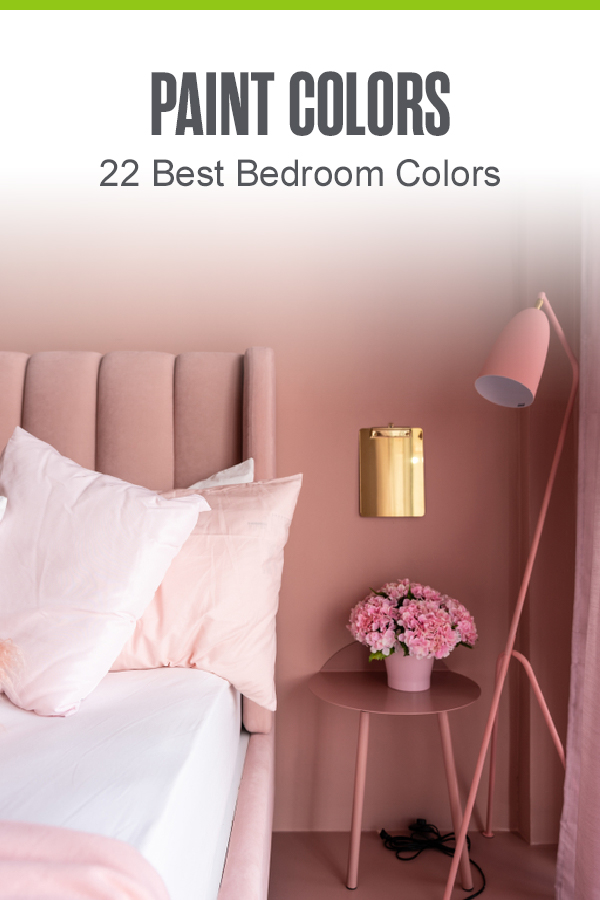
Historical pinks are soft and warm with a vintage touch. These pinks have yellow undertones that avoid being too bright. They work well as accent walls or decor highlights. Historical pinks add subtle charm and a cozy atmosphere. They brighten small rooms without overpowering them.
Rich Browns And Chocolate
Rich browns and chocolate tones add depth and sophistication. These shades create a warm, inviting environment in small spaces. Chocolate brown pairs nicely with creams, beiges, and soft greens. Using these colors as accents highlights architectural details. They make small rooms feel elegant and snug.
Color Pairing Tips
Choosing the right paint colors for small rooms requires smart color pairing. Pairing colors well can make a room look bigger and feel inviting. It also adds character without cluttering the space. Use simple tips to mix colors that enhance your small room’s charm.
Combining Warm And Cool Tones
Mix warm and cool colors to create balance. Warm tones like soft beige or light taupe add coziness. Cool tones such as pale blue or light gray bring calm and openness. Pair a warm wall color with cool accents to make the room feel spacious and comfortable. Avoid too many strong colors; keep it soft and subtle.
Balancing Light And Dark Shades
Use light colors to reflect light and open up the room. Whites, creams, or pastel shades work well. Add dark shades carefully to create depth and interest. Dark trims or furniture can anchor the space without making it feel small. Keep most walls light, and use darker colors as accents to maintain balance.
Working With Natural Materials
Natural materials like wood and stone pair well with earth tones. Choose paint colors that match or complement these textures. Soft greens, warm whites, and muted browns enhance natural elements. This pairing creates a warm, inviting atmosphere. It also connects the room to nature, making it feel fresh and airy.
Paint Finishes And Effects
Choosing the right paint finish and effects can change how a small room feels. Finishes affect the room’s light and texture. They also influence how colors look on the walls. Picking the best finish helps make a small space feel larger and more inviting.
Matte Vs. Glossy Finishes
Matte finishes have no shine and absorb light. This helps hide wall flaws and creates a soft look. Glossy finishes reflect light and make colors pop. They add brightness but can show bumps or marks easily. For small rooms, matte finishes keep walls calm and smooth. Glossy finishes work well on trim or small accents to catch light.
Textured Paint Options
Textured paint adds depth to flat walls. It can create patterns or subtle bumps. Textures can hide imperfections and add interest. In small rooms, light textures prevent walls from feeling flat. Use textured paint on one wall to create a focal point. Keep other walls smooth to avoid crowding the space.
Reflective Surfaces To Enhance Light
Reflective paint finishes bounce light around the room. Satin and eggshell finishes offer gentle shine. They brighten rooms without glare. Using reflective surfaces near windows increases natural light. This makes small rooms feel open and airy. Light colors with a slight sheen work best to enhance light flow.
Practical Painting Advice
Choosing the right paint color for small rooms is important. Practical painting advice helps you pick colors that work well in your space. This advice guides you through testing, sampling, and understanding lighting. These steps make sure your choice looks great every day.
Testing Colors In Your Space
Paint a small section of the wall before committing. This shows how the color looks in your room’s real light. Test at different times of the day. Colors may look different under natural and artificial light. Testing helps avoid surprises after painting the whole room.
Using Samples Effectively
Use paint samples on large pieces of cardboard or directly on walls. Move samples around the room to see how they look in various spots. Observe the color for a few days. This helps you decide if the color feels warm or cool. Samples save time and money by preventing wrong choices.
Considering Lighting Throughout The Day
Light changes from morning to evening. Natural light can make colors appear brighter or duller. Artificial light adds warmth or coolness depending on the bulb. Check how your paint color looks in all lighting conditions. This ensures the color stays pleasing all day long.
Frequently Asked Questions
What Paint Colors Make A Small Room Look Bigger?
Light colors like whites, creams, pale grays, soft greens, and light blues make small rooms look bigger. They reflect light and create space illusions.
What Color Is Replacing Gray?
Warmer, earthier neutrals like beige, taupe, cream, and warm whites are replacing gray in interior design. These colors create cozy, inviting spaces and complement natural materials. Muted greens, historical pinks, and deeper browns also gain popularity, offering warmth and depth beyond cool gray tones.
What Colors To Paint A Snug Room?
Paint a snug room with warm neutrals like beige, taupe, warm whites, or soft earth tones. Light blues and pale greens also create a cozy, spacious feel. Avoid dark colors to keep the space inviting and bright.
Is It Better To Paint A Small Room Dark Or Light?
Light colors are better for small rooms because they reflect light, making the space feel larger and more open. Dark colors can make small rooms feel cramped and smaller. Choose whites, creams, pale grays, or soft pastels for a bright, airy atmosphere that enhances space perception.
Conclusion
Choosing the right paint colors can make small rooms feel larger and brighter. Light shades like creams, soft greens, and pale blues reflect more light. Warm neutrals such as beige and taupe add coziness without shrinking the space. Avoid dark, heavy colors that close in the room.
Use colors that create an open and inviting atmosphere. This simple step transforms your small room into a comfortable, stylish area. Experiment with these colors to find the perfect fit for your home. The right paint shade makes all the difference in small spaces.