Starting a new website can be exciting, but you probably want to know one thing right away: how long does SEO take to show real results for your site? You’re not alone—many new website owners wonder when they’ll start seeing more visitors, better rankings, and increased sales.
The truth is, SEO isn’t instant, but understanding the timeline can help you set the right expectations and plan your strategy effectively. You’ll discover what factors influence SEO speed, why patience pays off, and what you can do now to speed up your website’s growth.
Keep reading to unlock the timeline that fits your new website’s SEO journey.

Credit: www.youtube.com
Seo Timeline For New Sites
Starting SEO for a new website requires patience and steady effort. Search engines need time to discover, crawl, and index your pages. Building authority and trust in your niche also takes time. Understanding the SEO timeline helps set realistic expectations and plan your strategy effectively.
Typical Timeframes
Most new websites begin to see SEO results within three to six months. Some sites may take up to twelve months to gain significant traction. The timeline depends on factors like competition, content quality, and website structure. Consistency in SEO practices speeds up progress. Quick wins are rare, but steady growth is achievable.
Month-by-month Progress
Months one to two focus on technical SEO and content creation. Search engines start indexing your pages during this period. Months three to four show early signs of ranking improvements and traffic growth. By months five to six, your site gains more visibility and user engagement. After six months, SEO efforts compound, leading to stronger results.
When Results Vary
SEO results differ based on industry and keyword difficulty. New websites in highly competitive niches may take longer. Sites with strong backlinks and quality content often rank faster. Algorithm changes from search engines also affect timing. Regular monitoring and adjustments keep SEO on track despite these variables.
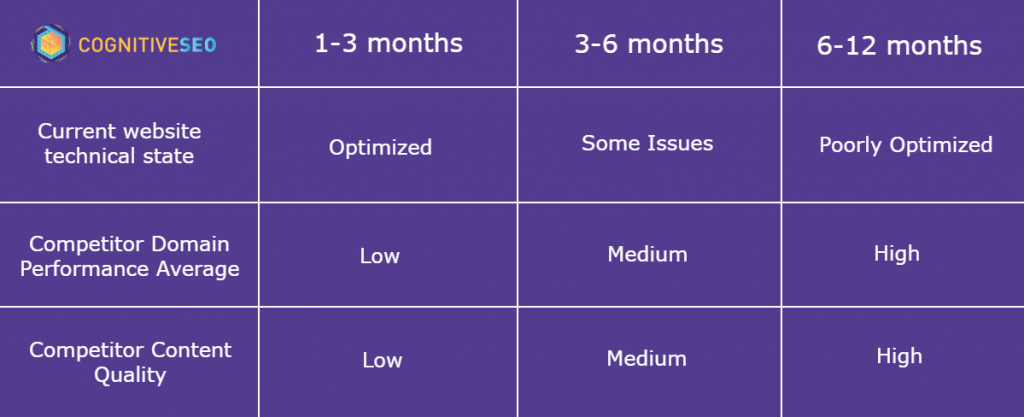
Credit: cognitiveseo.com
Factors Affecting Seo Speed
SEO speed varies for each new website. Several factors influence how fast your site climbs search rankings. Understanding these helps set real expectations and guide your strategy. Focus on key elements that impact SEO progress and timing.
Domain Age And Authority
Older domains often gain trust faster with search engines. New domains need time to build authority. Authority grows by proving reliability and value. A new website must work harder to earn credibility. This affects how quickly it ranks for keywords.
Competition Level
Highly competitive niches slow SEO progress. Many sites compete for the same keywords. Less competition means quicker ranking opportunities. Choose keywords with balanced competition to see faster results. Understanding your market helps target achievable goals.
Backlink Profile
Backlinks signal trust and popularity to search engines. Quality backlinks speed up SEO success. New websites usually start with few backlinks. Building links from reputable sites takes time. Strong backlink profiles improve ranking and visibility.
Content Quality And Volume
Search engines favor useful, original content. More quality content increases ranking chances. Regular updates show site activity and relevance. Thin or copied content harms SEO speed. Focus on creating valuable content that meets user needs.
Technical Seo Foundations
Technical SEO is the base of a strong website. It helps search engines find and understand your site. Without good technical SEO, your site may rank poorly, no matter how good your content is. New websites need solid technical SEO foundations to build trust with Google and other search engines.
Focusing on key areas like site structure, mobile-friendliness, page speed, and redirects will improve your site’s performance. These basics ensure your site is easy to crawl and user-friendly. Let’s explore these important technical SEO elements.
Site Structure And Navigation
Site structure organizes your content clearly. It helps users and search engines find pages quickly. A simple, logical hierarchy with categories and subcategories works best. Use clear menus and internal links to guide visitors. This setup improves user experience and helps search engines index your site efficiently.
Mobile-friendliness
Most users browse on mobile devices. Google favors mobile-friendly sites in rankings. Responsive design adapts your site to any screen size. Buttons, text, and images must be easy to see and use on phones. Mobile usability reduces bounce rates and keeps visitors engaged longer.
Page Speed Optimization
Fast-loading pages improve user experience and rankings. Slow sites frustrate visitors and increase bounce rates. Optimize images, reduce code, and use caching to boost speed. A quick site encourages visitors to stay and explore more. Google also rewards fast sites with better positions.
Redirects And Url Management
Proper redirects prevent broken links and lost traffic. Use 301 redirects to point old URLs to new ones. Clean, simple URLs with keywords help search engines understand content. Avoid duplicate URLs to prevent confusion. Managing URLs well preserves link value and improves site authority.
Content Strategy Impact
Content strategy plays a key role in how fast SEO works for new websites. It shapes what visitors find and how search engines rank your pages. Good content helps attract the right audience and keeps them coming back. It also signals to Google that your site is valuable and relevant.
Building a strong content plan means focusing on keywords, freshness, and user engagement. These elements guide search engines to understand your site better. They also improve your chances of ranking higher in search results. Let’s explore each part in detail.
Keyword Research And Targeting
Choosing the right keywords is the first step in SEO success. Keywords show what users type when searching. Targeting specific and relevant keywords helps your site appear in related searches. For new websites, it is best to focus on less competitive, long-tail keywords. They offer quicker ranking opportunities and attract targeted visitors.
Use keyword tools to find terms with good search volume and low competition. Place keywords naturally in titles, headings, and content. Avoid keyword stuffing as it harms rankings. Well-targeted keywords improve your site’s visibility and drive quality traffic.
Content Freshness And Updates
Search engines prefer websites that update content regularly. Fresh content shows your site is active and relevant. For new sites, publishing new articles or updating old ones helps gain traction. It also signals to Google that you care about providing current information.
Plan a schedule to add fresh posts or revise existing pages. Update statistics, facts, or links to keep content accurate. Consistent updates improve crawl frequency by search engines. This can speed up how fast your new site ranks and gets noticed.
User Engagement Signals
User behavior affects SEO rankings significantly. Metrics like time spent on site, bounce rate, and clicks tell search engines if visitors find your content useful. Engaging content encourages readers to stay longer and explore more pages. This boosts your site’s authority and ranking potential.
Use clear headings, images, and simple language to hold visitors’ attention. Interactive elements or calls to action can increase engagement. Monitor user signals and adjust content accordingly. Better engagement helps SEO results show up faster for new websites.
Link Building Importance
Link building plays a vital role in SEO success for new websites. It helps search engines understand your site’s authority and relevance. The more quality backlinks you have, the higher your site can rank. Building links takes time and effort but pays off in steady traffic growth.
Earning Quality Backlinks
Quality backlinks come from trusted, relevant websites. They show search engines that your content is valuable. Focus on creating helpful and original content that others want to share. Guest posting on reputable blogs also earns strong backlinks. Avoid shortcuts like buying links, as these can harm your site.
Avoiding Toxic Links
Toxic links come from spammy or irrelevant sites. They can lower your rankings and harm your reputation. Regularly check your backlink profile using SEO tools. Disavow links that appear suspicious or low quality. Keeping a clean link profile protects your new website’s SEO health.
Building Business Relationships
Networking with other businesses can lead to natural link opportunities. Share ideas and collaborate on projects that benefit both parties. Local partnerships often result in backlinks from community websites. Strong relationships build trust and open doors for future SEO growth.
Measuring Seo Progress
Measuring SEO progress is essential for new websites to understand how well their efforts are working. It helps identify what strategies bring results and what needs improvement. Tracking progress also keeps motivation high by showing clear signs of growth.
To measure SEO progress effectively, focus on key indicators. These include organic traffic, keyword rankings, and conversion metrics. Each gives a different view of your website’s performance in search engines.
Tracking Organic Traffic
Organic traffic shows how many visitors come from search engines. Use tools like Google Analytics to monitor this data. Look for steady growth over time rather than sudden spikes. Increasing organic traffic means your SEO is attracting more people naturally.
Check which pages get the most visits. This helps understand what content works best. Also, notice visitor behavior, such as how long they stay and what they click on.
Monitoring Keyword Rankings
Keyword rankings reveal where your website stands in search results. Track the positions of your target keywords regularly. Use SEO tools like SEMrush or Ahrefs for this task.
Improving rankings for important keywords means better visibility. Focus on keywords that match your audience’s intent. Small ranking increases can lead to more traffic over time.
Analyzing Conversion Metrics
Conversion metrics show if visitors take desired actions, like signing up or buying. Use Google Analytics to track goals and conversions. High traffic with low conversions means you may need to improve content or user experience.
Measure conversion rates from organic traffic specifically. This reveals how well SEO attracts the right visitors. Adjust your strategy based on what converts best to grow your website effectively.
Common Seo Challenges
New websites face many hurdles in SEO. These challenges can slow growth and delay results. Understanding common SEO issues helps set realistic expectations. Challenges range from technical problems to content-related issues. Here are some of the main obstacles new sites must handle.
Algorithm Updates
Search engines change their algorithms often. These updates affect how websites rank. New sites can lose rankings unexpectedly after an update. Staying informed about changes is crucial. Adjusting SEO tactics after updates helps maintain visibility.
Indexing Delays
Search engines must find and add new pages to their index. This process can take days or weeks. Without indexing, pages won’t appear in search results. New websites often face longer delays in indexing. Proper site structure and sitemap submission can speed up indexing.
Handling Duplicate Content
Duplicate content confuses search engines. It can cause ranking drops or penalties. New sites may accidentally create duplicate pages or posts. Using canonical tags and unique content prevents duplication problems. Regular audits help spot and fix duplicates early.
Credit: mangools.com
Local Seo Considerations
Local SEO is crucial for new websites aiming to attract nearby customers. It focuses on improving your online presence in specific geographic areas. Effective local SEO can speed up results by targeting the right audience close to your business.
Google My Business Optimization
Google My Business (GMB) is a free tool that helps businesses appear in local search results. Claim your GMB listing and fill out all details accurately. Use your real business address, phone number, and working hours. Upload clear photos of your business and products. Regularly update posts and offers to engage local users. A well-optimized GMB profile boosts visibility on Google Maps and local searches.
Local Citations And Reviews
Local citations are online mentions of your business name, address, and phone number. List your business on trusted local directories and industry-specific sites. Consistency in your business information across all platforms is key. Encourage happy customers to leave positive reviews. Respond to reviews politely and quickly. Reviews build trust and improve your local search rankings.
Geotargeted Content
Create content tailored to your local audience. Use local keywords and place names naturally within your website text. Write about local events, news, or community topics related to your business. Share stories about your connection to the area. Geotargeted content helps search engines understand your location focus. It attracts visitors who are more likely to convert into customers.
Setting Realistic Expectations
Setting realistic expectations is key for new websites starting SEO. Results rarely appear overnight. Understanding the timeline helps avoid frustration and poor decisions.
SEO is a process that builds trust and authority with search engines. This takes steady work and patience. Knowing what to expect helps you stay focused and motivated.
Balancing Short-term And Long-term Goals
Short-term wins like fixing technical issues improve your site quickly. These show search engines you care about quality. Long-term goals include building backlinks and creating valuable content. Both are important for lasting success. Focus on steady progress rather than instant results.
Impact Of Consistent Effort
Consistent effort boosts your site’s visibility over time. Regular updates and content creation signal activity to search engines. Small daily or weekly improvements add up. Avoid stopping work after initial changes. SEO success depends on ongoing attention and adjustment.
Avoiding Quick-fix Pitfalls
Quick fixes like buying backlinks or keyword stuffing harm your site. These may cause penalties or lost rankings. Avoid shortcuts that promise fast results. Trust builds slowly through honest, quality work. Focus on sustainable strategies that grow your site’s reputation.
Frequently Asked Questions
How Long Does Seo Take To Work For A New Website?
SEO for a new website typically takes three to six months to show noticeable results. Factors like competition, content quality, and backlinks affect timing. Consistent optimization and quality content speed up progress. Patience and ongoing efforts deliver lasting organic traffic growth.
What Is The 80/20 Rule In Seo?
The 80/20 rule in SEO means 80% of results come from 20% of efforts. Focus on high-impact tasks like quality content and strong backlinks.
What Is A 3 Month Seo Strategy?
A 3 month SEO strategy sets clear goals, optimizes content, builds backlinks, and monitors performance to boost search rankings quickly.
Does A New Website Affect Seo?
A new website can impact SEO initially. Proper SEO planning, content, and redirects help maintain and improve rankings over time.
Conclusion
SEO results for new websites take time and steady effort. Most sites start seeing progress within three to six months. Some factors, like competition and content quality, affect this timeline. Consistent updates and good backlinks speed up growth. Patience and persistence matter most for lasting success.
Keep tracking your rankings and improving your site. SEO is a long-term strategy, not a quick fix. Stick with it, and your website will gradually climb higher in search results.