Imagine waking up to find unfamiliar charges on your bank statement. You might wonder, “How did this happen?
And how will my bank catch the culprit? ” Understanding how banks detect fraud is crucial for protecting your money and peace of mind. Banks use advanced tools and clever strategies to spot suspicious activity before it drains your account.
You’ll discover the smart ways your bank keeps a watchful eye on your transactions, what triggers alerts, and how their investigation process works to stop fraud in its tracks. Keep reading—knowing these secrets can help you stay one step ahead and safeguard your finances.
Fraud Detection Techniques
Banks use several fraud detection techniques to protect customers and their money. These methods help spot suspicious activities quickly. Banks analyze data and use technology to catch fraud before it causes harm. The techniques below show how banks keep accounts safe.
Pattern Analysis
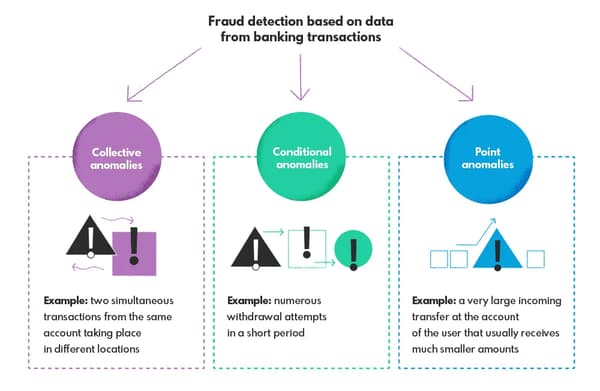
Pattern analysis studies past transaction data. Banks look for regular habits in spending and transfers. Any activity that does not match usual patterns raises alerts. For example, sudden large payments or transactions in new locations can indicate fraud. This method helps banks detect unusual behavior early.
Transaction Monitoring
Transaction monitoring tracks every payment and transfer in real time. Banks use rules and machine learning to flag risky transactions. If a payment looks suspicious, the system can block it or ask for extra verification. This technique reduces fraud by catching it as it happens.
Device Identification
Device identification recognizes the gadgets customers use to access accounts. Banks check if the device is known and trusted. If a login comes from a new or unusual device, the bank may require additional checks. This helps stop fraudsters using stolen credentials on unknown devices.
Credit: dojah.io
Role Of Ai And Machine Learning
Artificial intelligence (AI) and machine learning (ML) play a crucial role in detecting bank fraud. These technologies analyze vast amounts of data quickly. They help spot suspicious activities that humans might miss. Banks use AI and ML to protect customers and reduce losses.
AI systems learn from past fraud patterns and improve over time. This constant learning helps banks stay ahead of new fraud techniques. AI and ML tools work 24/7, providing continuous monitoring and fast responses.
Real-time Fraud Detection
AI monitors transactions as they happen. It checks for unusual patterns instantly. If something looks suspicious, the system sends an alert. This real-time detection helps banks stop fraud before it causes harm. Speed is key because fraud can happen within seconds.
Behavioral Analytics
Machine learning studies how customers usually behave. It looks at spending habits, locations, and device use. When a transaction deviates from normal behavior, AI flags it. Behavioral analytics reduce false alarms and focus on real threats. This method makes fraud detection more accurate and personalized.
Adaptive Learning Systems
AI systems adapt as fraud patterns change. They update their models based on new data. This adaptive learning helps banks fight evolving fraud tactics. The system becomes smarter, spotting threats faster. Banks can respond to new fraud methods without manual updates.
Investigation Process
The investigation process is a critical step banks take to stop fraud. It helps protect customers and their money. Banks follow clear steps to find out what happened. They gather facts carefully and act quickly. Every step matters to solve fraud cases effectively.
Customer Reporting
Fraud investigations often begin with customer reports. Customers tell the bank about suspicious transactions. This alert triggers the bank’s fraud team to start checking the account. Reporting helps banks act fast to prevent more losses.
Initial Actions
Once a report is received, banks take quick initial actions. They may block the card or freeze the account. Banks sometimes give temporary refunds for disputed amounts. These steps protect the customer while the investigation proceeds.
Evidence Collection
The bank collects evidence to understand the fraud fully. They review transaction records and check device details. Investigators look at times, locations, and unusual activity patterns. Sometimes, banks contact merchants or other parties for more information.
Timeline Of Investigation
Investigations can vary in length based on case complexity. Simple fraud cases may close in a few days. Complex cases take longer, sometimes weeks or months. Banks keep customers informed and update them during the process.

Credit: www.transunion.com
Escalation And Collaboration
Escalation and collaboration form crucial steps in how banks detect and respond to fraud. Once suspicious activity is identified, banks do not work alone. They engage with various internal and external partners to tackle fraud effectively. This teamwork improves the chances of stopping fraud quickly and protecting customers.
Involving Law Enforcement
Banks report serious fraud cases to local or federal law enforcement. Police and other agencies have tools to investigate crimes beyond the bank’s reach. This partnership helps catch criminals and recover stolen funds. Law enforcement may also provide banks with vital intelligence on new fraud trends. Prompt reporting increases the chance of successful prosecution.
Internal Legal Teams
Legal experts inside banks guide fraud investigations and compliance. They ensure all actions follow laws and regulations. Internal legal teams help prepare evidence and support communication with law enforcement. They also advise on customer rights and risk management. Their role is key to making sure fraud cases are handled properly and fairly.
Cross-bank Cooperation
Banks share information about fraud patterns and suspicious accounts. This cooperation helps spot fraud schemes targeting multiple banks. Industry groups and secure networks enable safe data sharing. By working together, banks can identify fraud faster and protect more customers. Collaboration also helps create common standards for fraud detection.
Customer’s Role In Fraud Prevention
Customers play a vital role in preventing bank fraud. Their actions can help banks detect suspicious activities early. By staying alert and cooperating with their bank, customers add a strong layer of security. Understanding simple steps can reduce fraud risks significantly.
Prompt Reporting
Customers must report any unusual transactions quickly. Immediate alerts help banks act fast and limit damage. Delays can allow fraud to continue and cause more loss. Even small doubts should be reported without hesitation. Fast communication supports effective fraud detection.
Providing Accurate Information
Giving correct personal and contact details is crucial. Banks use this data to verify transactions and send alerts. Wrong information can slow down fraud checks and cause mistakes. Customers should update their details regularly to avoid issues. Accurate data helps banks track and stop fraud attempts.
Recognizing Legitimate Bank Communications
Customers should know how real bank messages look. Scammers often send fake emails or calls to steal information. Banks never ask for passwords or PINs by phone or email. Verifying the source before responding prevents falling for scams. Awareness of genuine communication protects both customers and banks.
Credit: nexocode.com
Technological Innovations
Technological innovations play a crucial role in how banks detect fraud today. These tools help banks spot suspicious activities quickly and accurately. Technology allows banks to protect customers without causing unnecessary delays or blocks. Banks use several advanced methods to identify fraud attempts. These methods analyze patterns, devices, and even create models to predict fraud.
Fingerprinting And Device Recognition
Fingerprinting tracks unique device details to verify user identity. This technique collects data like browser type, screen size, and installed fonts. Banks compare this data to past records to spot new or unusual devices. Device recognition helps flag transactions from unknown gadgets. It reduces false alarms and stops fraudsters using stolen credentials.
Graph Databases For Fraud Detection
Graph databases map relationships between accounts, transactions, and users. They reveal hidden connections that traditional databases miss. Banks use these graphs to detect complex fraud networks and schemes. Patterns like linked accounts or repeated transaction paths become clear. This method improves fraud detection by understanding how entities interact.
Generative Ai Applications
Generative AI creates models that simulate normal and abnormal behavior. It learns from transaction data to predict potential fraud. Banks use AI to generate scenarios and test risks before transactions complete. This approach catches new fraud patterns faster than rule-based systems. Generative AI adapts to evolving fraud tactics, keeping defenses strong.
Frequently Asked Questions
How Do Banks Do Fraud Detection?
Banks detect fraud by analyzing transaction patterns using AI and machine learning. They flag unusual activities like sudden large transactions or new device usage, then investigate details such as location and IP address to confirm fraud quickly and protect customers.
Do Banks Actually Investigate Fraud?
Yes, banks actively investigate fraud by analyzing transaction data, reviewing evidence, and using advanced technology. They contact customers, merchants, or law enforcement if needed. Investigations vary in length, resolving clear cases faster while complex fraud takes more time. Prompt reporting helps speed recovery.
How Do Banks Check Fraud Transactions?
Banks detect fraud by monitoring transactions for unusual patterns using AI and machine learning. They analyze locations, devices, and spending behavior. Alerts trigger investigations, involving customer verification and sometimes law enforcement. This real-time monitoring helps prevent unauthorized activities quickly and protects customer accounts effectively.
How Do Banks Determine If It’s Fraud Or Not?
Banks detect fraud by analyzing transaction patterns, device use, and locations. They use AI to spot anomalies and verify suspicious activities quickly.
Conclusion
Banks use advanced tools to spot unusual activity quickly. They track patterns and compare transactions to normal behavior. Alerts trigger when something seems out of place or risky. AI and machine learning help catch fraud before it grows. Banks also review evidence and may contact customers for details.
Their goal is to protect your money and data safely. Staying aware and reporting suspicious actions helps keep accounts secure. Fraud detection is a constant effort that keeps evolving. This protects everyone and builds trust in banking services.