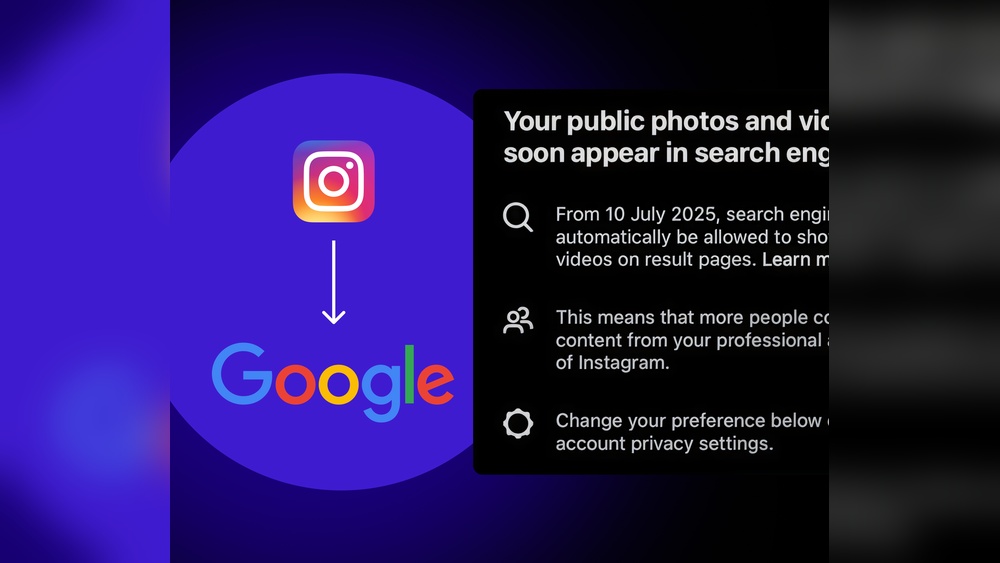
Have you ever noticed sudden drops or spikes in your website’s traffic and wondered what caused them? Most likely, an algorithm update is behind those changes.
These updates can feel like a mystery, but understanding how they affect your traffic is crucial if you want to keep your site visible and thriving. You’ll discover exactly what algorithm updates are, why they matter to your website, and how you can adapt to protect—and even boost—your traffic.
Stick with me, and you’ll gain the confidence to face these changes head-on and turn them into opportunities for growth.
Credit: www.skyword.com
Algorithm Updates Basics
Understanding the basics of algorithm updates is key to managing website traffic effectively. These updates influence how search engines rank websites. Knowing what they are and why they happen helps website owners adjust their strategies. This knowledge reduces surprises and keeps your site visible to users.
What Are Algorithm Updates
Algorithm updates are changes made to search engine formulas. These formulas decide which websites show up in search results. The updates improve how these formulas work. They help deliver better, more relevant results to users. Updates can affect website rankings positively or negatively. Staying informed about updates helps you keep your site optimized.
Why Updates Happen
Search engines update algorithms to improve search quality. They want to show the most useful and trustworthy content. Updates also fight spam and low-quality websites. Technology and user behavior change over time. Updates adapt to these changes and new trends. Regular updates keep search results fresh and accurate.
Traffic Changes After Updates
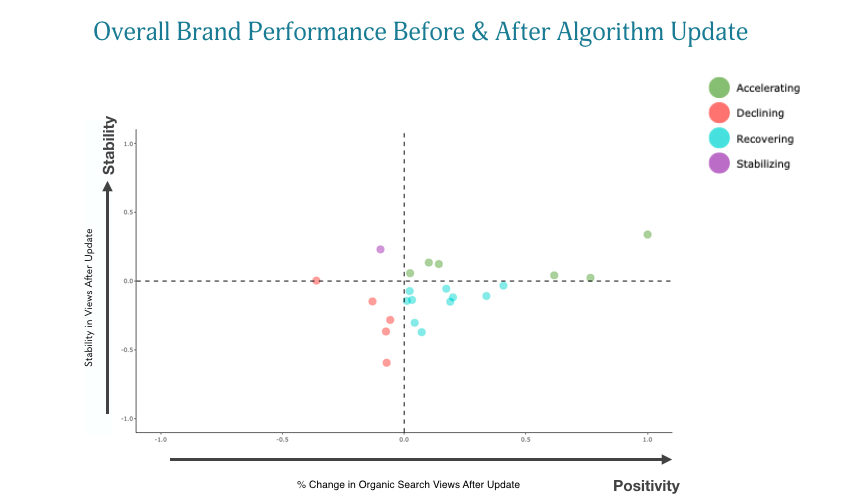
Algorithm updates often cause notable changes in website traffic. These shifts happen because search engines adjust how they rank pages. Some sites gain visitors, while others lose them. Understanding these changes helps site owners adapt quickly.
Ranking Fluctuations
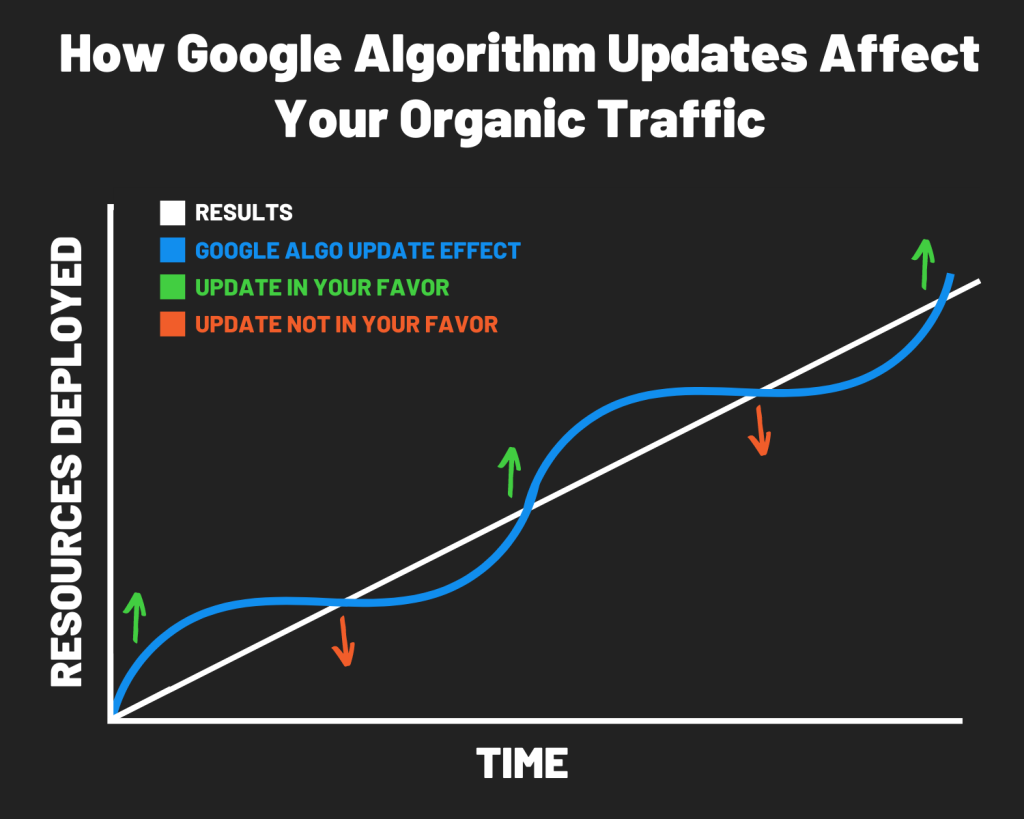
After an update, rankings can move up or down suddenly. Pages that ranked high may drop several positions. Others might climb to the top. This happens as the algorithm re-evaluates page relevance and quality. Small ranking changes can cause large traffic swings.
Traffic Loss And Gains
Traffic changes directly follow ranking shifts. Losing a top spot often means fewer visitors. Gaining a better rank usually increases traffic. Some sites see big gains, while others face sharp losses. These gains and losses affect revenue and visibility on search engines.
Impact On Different Sites
Not all websites are affected the same way. Sites with strong content and good SEO often benefit. Others with outdated or thin content may lose traffic. Niches and industries also play a role. Local, e-commerce, and news sites can experience different impacts.
Core Updates And Their Effects
Core updates are major changes made by search engines to their ranking systems. These updates affect how websites appear in search results. They aim to improve search quality and relevance. Website owners often notice shifts in their traffic after core updates. Understanding these updates helps prepare for and respond to changes in search rankings.
How Core Updates Work
Core updates adjust the search engine’s ranking algorithms. They evaluate many factors like content quality, user experience, and site relevance. Search engines use these updates to better match search intent. The updates do not target specific websites. Instead, they improve overall search results for everyone. Changes may cause sites to gain or lose traffic.
Examples Of Major Updates
Google releases core updates several times a year. The “Panda” update focused on content quality. The “Penguin” update targeted spammy links. The “Medic” update affected health and wellness sites. Each update changes ranking factors and site evaluations. Website owners should track these updates to understand traffic changes.
Short-term Vs Long-term Impact
Traffic often fluctuates right after a core update. Some sites see immediate drops or gains. These short-term effects can be unsettling. Over time, rankings usually stabilize. Long-term impact depends on how well sites meet new guidelines. Improving content and user experience helps recover and grow traffic. Patience and adjustments are key after updates.
Seo Strategies Post-update
Algorithm updates often change how search engines rank websites. SEO strategies must evolve after each update. Staying proactive helps maintain and grow your site’s traffic.
Adapting quickly to changes prevents traffic loss and improves search visibility. Focus on key areas like keyword monitoring, content adjustments, and avoiding penalties. These steps keep your SEO efforts effective and aligned with new rules.
Monitoring Keywords And Rankings
Track your keyword rankings closely after an update. Sudden drops or gains show how the update affects your site. Use tools to watch changes daily or weekly. This helps spot issues early and adjust your strategy.
Focus on keywords that bring the most traffic. Check if new keywords start to perform better. Adjust your target keywords based on real data, not guesswork.
Adapting Content And Seo
Review your content for quality and relevance. Update old posts with fresh information and better keywords. Make sure your content answers user questions clearly and simply.
Improve on-page SEO elements like titles, headings, and meta descriptions. Use natural language and avoid keyword stuffing. Focus on user experience with fast loading and mobile-friendly pages.
Avoiding Penalties
Follow search engine guidelines strictly. Avoid black-hat SEO tactics like keyword stuffing, hidden text, or spammy links. These can lead to penalties and traffic loss.
Build backlinks naturally from trustworthy sites. Remove or disavow harmful links that may hurt your ranking. Regular audits help keep your SEO clean and penalty-free.
Algorithm Updates And User Experience
Algorithm updates shape how users find and interact with content online. These changes focus on improving the quality of search results and the overall experience. Understanding how updates affect user experience helps website owners adapt their strategies. The goal is to meet user needs better and keep traffic steady or growing.
Improving Search Accuracy
Updates refine how search engines understand queries. They aim to show the most relevant results for each search. This means users find what they want faster. Accurate results reduce frustration and encourage more searches. Websites that match user intent gain better visibility.
Effect On Site Performance
Search engines now consider how fast and easy a site is to use. Slow or confusing sites may rank lower after an update. Mobile-friendliness and secure connections also matter more. Good performance keeps visitors engaged and lowers bounce rates. Site owners must optimize loading speed and usability.
User Engagement Changes
Algorithm updates track how users interact with pages. High engagement signals quality content to search engines. This includes time spent on page, clicks, and shares. Low engagement can cause rankings to drop. Improving content and design encourages visitors to stay longer and explore more.
Publisher And Blogger Challenges
Algorithm updates by search engines bring tough challenges for publishers and bloggers. These updates can suddenly change website rankings. This affects the number of visitors a site receives. Many publishers face uncertainty due to these changes. Traffic can rise or fall without warning. Bloggers often struggle to keep their content visible. The impact on their work and income can be serious. Understanding these challenges helps prepare for better responses.
Traffic Volatility
Traffic volatility means sudden ups and downs in visitor numbers. An algorithm update can cause big swings in traffic. A site may lose many visitors overnight. Others might see a quick boost. This unpredictability makes planning difficult. Publishers cannot rely on steady traffic. Bloggers find it hard to measure success. Traffic changes also affect audience trust. Visitors may stop returning if content is less visible.
Revenue Impact
Revenue depends mostly on site traffic and engagement. When traffic drops, earnings often fall too. Ads, affiliate sales, and sponsored posts suffer losses. Many bloggers rely on these incomes to keep writing. Publishers might cut budgets or staff. Revenue drops can limit content quality and updates. Financial pressure forces some to change their strategies. Keeping income stable is a major concern.
Recovery Tips
Focus on quality content that meets user needs. Update old posts with fresh, accurate information. Monitor traffic patterns to spot problems early. Use analytics tools to understand visitor behavior. Improve site speed and mobile friendliness. Build backlinks from trusted sources. Engage with your audience through comments and social media. Stay informed about new algorithm changes. Adapt quickly to maintain or regain rankings.
Tools To Track Algorithm Changes
Tracking algorithm updates is crucial for maintaining website traffic. These tools help detect changes in search engine behavior. They also provide data to understand traffic drops or gains. Using the right tools ensures quick response to updates. It helps adjust SEO strategies effectively. Below are key types of tools that aid in monitoring algorithm changes.
Traffic Analytics Tools
Traffic analytics tools measure visitor numbers and behavior. They show patterns before and after updates. These tools reveal which pages lose or gain traffic. Google Analytics is a popular example. It tracks sources, user actions, and session duration. This data helps identify the impact of algorithm shifts. Webmasters can spot unusual traffic changes quickly. It provides insights to improve website content and structure.
Ranking Monitoring Software
Ranking monitoring software tracks keyword positions in search results. It alerts users to ranking drops or improvements. These tools compare rankings over time. They show if an update affects specific keywords. Examples include SEMrush and Ahrefs. They offer detailed reports on keyword movements. This helps SEO professionals adapt strategies fast. Monitoring rankings helps keep websites competitive in search engines.
Alert Systems
Alert systems notify users about major algorithm updates. They gather data from multiple sources and search trends. Alerts can come via email or app notifications. Tools like MozCast and Algoroo provide such services. They warn about unusual ranking volatility or traffic changes. Early alerts help site owners react before major damage. Staying informed reduces the risk of losing traffic. Alert systems are vital for proactive SEO management.
Credit: fluxedigitalmarketing.com

Credit: www.dashclicks.com
Frequently Asked Questions
What Are Algorithm Updates?
Algorithm updates are changes made to search engine algorithms. They improve search accuracy, relevance, and user experience. These updates can affect website rankings and organic traffic.
Why 96.55% Of Content Gets No Traffic From Google?
96. 55% of content gets no Google traffic due to poor SEO, low-quality, weak backlinks, and lack of keyword targeting.
How Can Seo Increase Traffic?
SEO increases traffic by improving website rankings on search engines, attracting more targeted and organic visitors. Optimized content and keywords boost visibility. Enhanced user experience and quality backlinks also drive higher traffic. Consistent SEO efforts ensure sustained growth in relevant search traffic.
What Is The Impact Of Algorithm Optimization On Performance?
Algorithm optimization improves software efficiency, speeds up processing, and enhances user experience. It reduces resource usage and boosts overall performance.
Conclusion
Algorithm updates change how websites rank in search results. Traffic can rise or fall quickly after updates. Staying informed helps you adapt your SEO strategies. Regularly check your website’s performance and keywords. Focus on quality content and user experience always.
Patience and consistent effort improve traffic over time. Changes are normal; learning to adjust is key. Keep your site relevant to maintain steady visits.