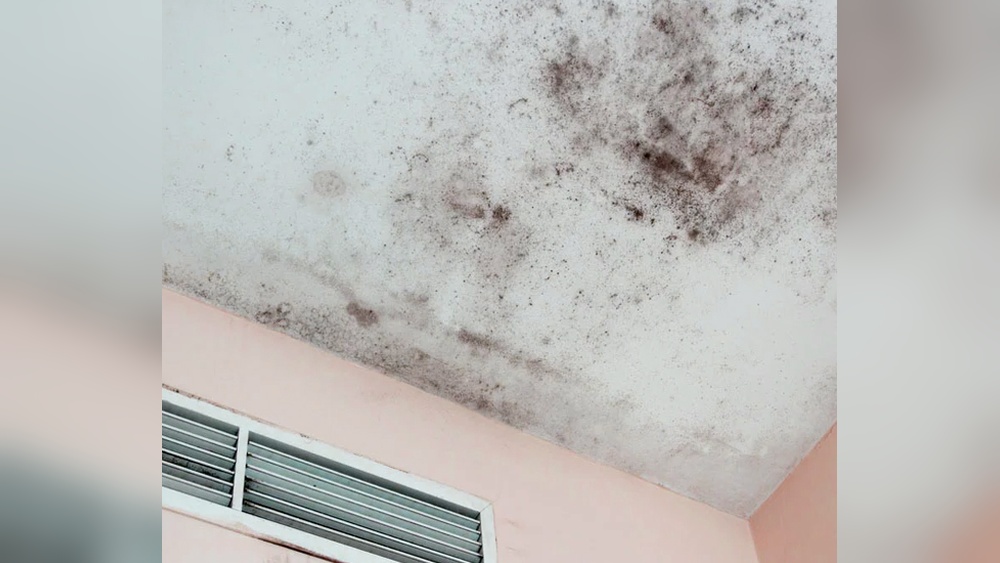
Is your bathroom ceiling showing dark spots or patches that just won’t go away? That’s mold, and it’s more than just an eyesore.
Mold thrives in damp spaces like bathrooms and can lead to health problems and damage to your home if left unchecked. But don’t worry—you don’t have to live with it or call in expensive professionals. In this guide, you’ll discover simple, effective steps to remove mold from your bathroom ceiling safely and permanently.
Ready to breathe easier and bring back a fresh, clean look to your bathroom? Keep reading to learn exactly what you need to do.
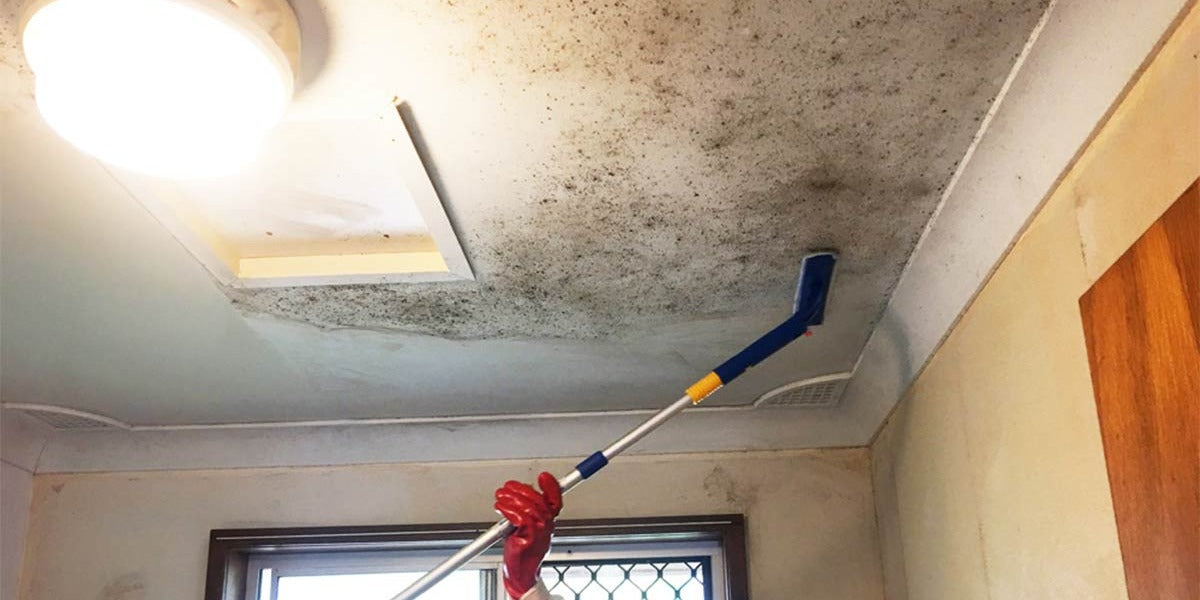
Credit: aloraircrawlspace.com
Causes Of Bathroom Ceiling Mold
Mold on a bathroom ceiling grows because of certain common issues. Understanding these causes helps prevent mold from coming back. Bathrooms often have conditions that allow mold to thrive.
Moisture And Humidity
Bathrooms produce a lot of moisture during showers and baths. The warm air holds water vapor, which settles on surfaces. High humidity creates a perfect environment for mold to grow. Ceilings often stay damp because moisture rises and collects there.
Poor Ventilation
Without good airflow, moisture cannot escape easily. Bathrooms with small or no windows trap humid air inside. Fans that do not work well or are not used also cause poor ventilation. This trapped moisture encourages mold spores to settle and multiply on the ceiling.
Leaks And Water Damage
Leaks from pipes or the roof bring water into bathroom ceilings. Water damage weakens ceiling material and creates damp spots. These wet areas are ideal for mold growth. Even small leaks, if unnoticed, can cause mold to spread over time.
Health Risks Of Mold Exposure
Mold on your bathroom ceiling can cause serious health problems. Mold spores spread through the air and enter your lungs. Breathing these spores often harms your body, especially if you have allergies or asthma. Understanding the health risks helps you protect yourself and your family from mold exposure.
Respiratory Problems
Mold spores can irritate your lungs and airways. This may cause coughing, wheezing, and shortness of breath. People with asthma or lung conditions may experience more severe attacks. Long-term exposure can lead to chronic respiratory illnesses. Avoiding mold helps keep your breathing healthy.
Allergic Reactions
Mold triggers allergies in many people. Symptoms include sneezing, runny nose, and itchy eyes. Skin rashes and headaches are also common. Allergic reactions can worsen with repeated exposure. Removing mold reduces these uncomfortable and harmful effects.
Structural Damage
Mold damages your bathroom ceiling and walls. It breaks down paint, drywall, and wood over time. This weakens the structure and can lead to costly repairs. Moist environments speed up mold growth and damage. Fixing mold problems early saves your home’s integrity and value.
Safety Precautions Before Cleaning
Before you start removing mold from your bathroom ceiling, take safety seriously. Mold spores can cause health problems. Protecting yourself and your home is important. Follow these key safety steps to ensure a smooth cleaning process.
Protective Gear
Wear gloves to protect your skin from mold and cleaning chemicals. Use a mask to avoid breathing in mold spores. Safety goggles keep your eyes safe from splashes. Dress in old clothes that cover your arms and legs fully.
Room Preparation
Remove all items from the bathroom to prevent contamination. Cover surfaces like counters and floors with plastic sheets or old towels. Keep pets and children out of the room during cleaning. This limits mold spread and protects others.
Ventilation Tips
Open windows and doors to improve air flow. Use a fan to push mold spores outside. Avoid turning on the bathroom exhaust fan if it recirculates air indoors. Good ventilation reduces mold spores in the air and speeds drying.

Credit: redfishinspections.com
Effective Cleaning Solutions
Removing mold from your bathroom ceiling requires the right cleaning solutions. Effective cleaners kill mold spores and stop regrowth. Use safe, easy-to-make mixtures for the best results. Below are some proven methods for tackling mold in your bathroom ceiling.
Bleach And Water Mixture
Mix one part bleach with three parts water in a spray bottle. Spray the moldy area and let it sit for 10 minutes. Use a scrub brush to clean the surface gently. Rinse with clean water and dry the ceiling well. Bleach kills mold quickly but use it in a well-ventilated room.
White Vinegar
Pour white vinegar into a spray bottle without diluting it. Spray directly on the moldy spots and let it sit for an hour. Vinegar kills most types of mold naturally. Wipe the area with a damp cloth and let it dry. Repeat if the mold returns after a few days.
Borax Solution
Mix one cup of borax with one gallon of water. Apply this solution to the ceiling using a sponge or spray bottle. Scrub the mold with a soft brush to remove it. No need to rinse; borax prevents mold from coming back. This method is safe and effective for many surfaces.
Commercial Mold Cleaners
Buy a commercial mold cleaner designed for bathroom use. Follow the instructions on the label carefully. These products often contain powerful ingredients that kill mold fast. Use gloves and ensure good ventilation during application. Commercial cleaners can be a good choice for tough mold stains.
Step-by-step Mold Removal
Removing mold from your bathroom ceiling is important for a clean and healthy home. Follow this simple step-by-step guide to get rid of mold safely and effectively. Each step uses easy methods and materials you can find at home or at a store.
Preparing The Cleaning Solution
Start by mixing one part bleach with three parts water. Use a spray bottle to hold the solution. If you prefer, you can use white vinegar instead of bleach. Always wear gloves and a mask to protect yourself from mold spores and chemicals.
Applying The Solution
Spray the cleaning solution on the moldy areas of the ceiling. Make sure to cover all visible mold spots. Let the solution sit for 10 to 15 minutes. This allows the mold to loosen and die. Avoid soaking the ceiling too much to prevent damage.
Scrubbing Techniques
Use a soft brush or sponge to scrub the mold gently. Focus on the stained areas without pressing too hard. Rinse the brush or sponge often in clean water. Repeat spraying and scrubbing if mold remains. Be careful not to spread mold to other parts.
Drying The Ceiling
After cleaning, dry the ceiling well with a clean towel. Open windows or use a fan to speed up drying. Mold grows in damp places, so keep the ceiling dry. Check the ceiling for any missed spots and clean again if needed.
Preventing Mold Regrowth
Stopping mold from coming back after cleaning is key. Mold grows best in damp, warm places like bathroom ceilings. Keeping these areas dry and clean helps a lot. Small changes in your bathroom can prevent mold from returning fast.
Improving Bathroom Ventilation
Good airflow reduces moisture buildup. Open windows during and after showers. Install a fan to push out humid air. Run the fan for at least 20 minutes after bathing. This helps keep the ceiling dry and mold-free.
Using Dehumidifiers
Dehumidifiers lower air moisture levels. Place one in your bathroom if it is very damp. They pull moisture from the air quickly. This stops mold from finding a place to grow. Keep the dehumidifier clean and empty the water daily.
Regular Cleaning Routine
Clean bathroom surfaces often. Use mild detergent or vinegar solutions. Wipe the ceiling and walls weekly. This removes mold spores early. Regular cleaning makes mold less likely to settle and grow.
Fixing Leaks Promptly
Check pipes and fixtures for leaks. Water drips can keep the ceiling wet. Repair leaks as soon as possible. Dry the area thoroughly after fixing leaks. This cuts off mold’s water supply, stopping its growth.
When To Call A Professional
Knowing when to call a professional mold remover is important. Mold on your bathroom ceiling can sometimes be more than a small cleaning job. Professionals have the tools and experience to handle tough mold safely and thoroughly.
Choosing professional help can protect your health and your home. They can find hidden mold and prevent it from coming back. Here are some key signs that you should call a professional.
Extensive Mold Infestation
If mold covers a large area, over 10 square feet, do not try to clean it yourself. Large mold patches can release many spores into the air. Professionals can remove it safely using special equipment. They also stop mold from spreading to other parts of your home.
Hidden Mold Issues
Mold may hide behind walls or ceilings where you cannot see it. If you notice a musty smell or paint bubbling, mold might be growing inside. A professional can inspect and find hidden mold. They use tools like moisture meters and cameras to locate mold deep inside your ceiling.
Persistent Mold Problems
If mold returns quickly after cleaning, the problem is deeper than surface mold. This may mean water leaks or poor ventilation. Professionals can find the root cause and fix it. They can also treat the mold to stop it from coming back, keeping your bathroom safe and clean.

Credit: www.homedit.com
Frequently Asked Questions
How Do You Get Rid Of Mold On Bathroom Ceiling?
Wear gloves and a mask. Mix one part bleach with three parts water. Spray the ceiling, scrub mold gently, then let it dry completely. Ensure good ventilation to prevent mold return.
Is Mold In A Bathroom Ceiling Harmful?
Mold in a bathroom ceiling can harm health by causing allergies and respiratory issues. It also damages the ceiling structure. Remove mold promptly to prevent risks and maintain a safe, clean environment.
How Do I Permanently Remove Mold From My Ceiling?
Clean mold with a bleach and water solution (1:3 ratio). Wear gloves and mask. Dry area thoroughly. Fix moisture issues to prevent return.
How To Permanently Remove Mold From Bathroom Ceiling Reddit?
Clean mold with a bleach-water solution (1:3 ratio). Wear gloves and mask. Scrub ceiling, rinse, and dry thoroughly. Improve ventilation to prevent return.
Conclusion
Removing mold from your bathroom ceiling keeps your home safe and fresh. Use simple cleaning solutions and protective gear to avoid health risks. Regularly ventilate your bathroom to stop mold from returning. Check for leaks and fix them quickly to reduce moisture.
Clean mold early before it spreads or causes damage. Taking these small steps helps maintain a clean, healthy bathroom environment. Stay consistent, and you will see lasting results.