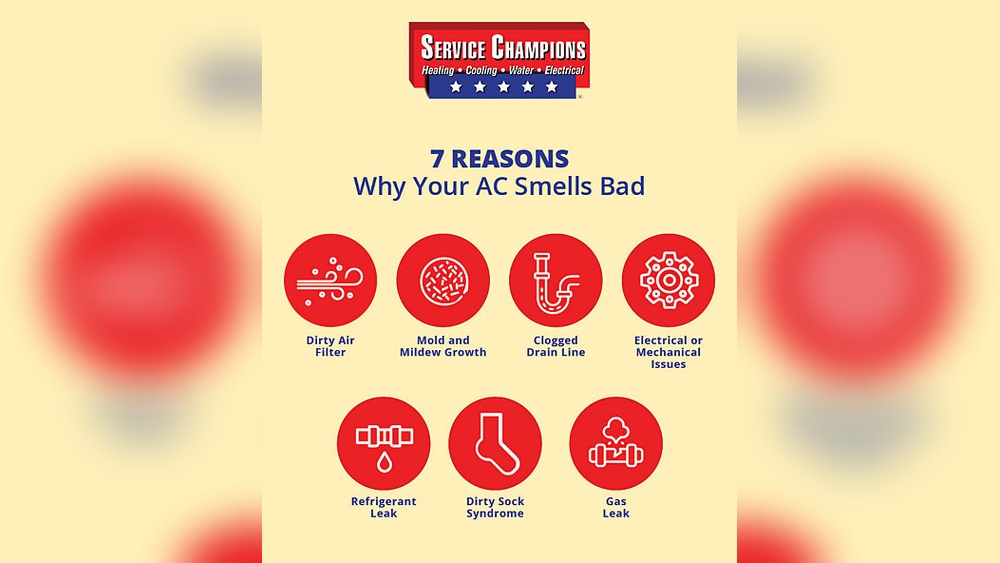
Have you ever turned on your AC only to be greeted by an unpleasant musty smell? It’s frustrating, right?
That weird, damp odor coming from your air conditioner isn’t just annoying—it could mean your system needs attention. You might wonder, “Why does my AC smell musty? ” and whether it’s harmful to you or your family. The truth is, a musty smell often points to mold, mildew, or trapped moisture inside your unit, which can affect the air quality in your home.
Keep reading to discover the common causes behind that musty odor and simple steps you can take to get your AC smelling fresh again. Your comfort and health depend on it!
Credit: www.franksrepairplumbing.com
Common Causes Of Musty Ac Smell
Musty smells coming from your AC often point to common problems inside the system. These issues usually involve moisture and dirt buildup. Identifying the cause helps you fix the smell quickly. Below are the most frequent reasons for a musty AC odor.
Mold And Mildew Growth
Mold and mildew thrive in damp areas inside your AC. Moisture from condensation collects on parts like coils and drip pans. This wet environment allows mold to grow, creating a musty smell. Regular cleaning prevents mold buildup and keeps the air fresh.
Clogged Air Filters
Air filters trap dust and dirt particles from the air. When filters get clogged, airflow reduces. Trapped moisture mixes with dirt in the filter, causing a damp, musty odor. Changing filters often helps maintain clean air and stops smells.
Dirty Evaporator Coils
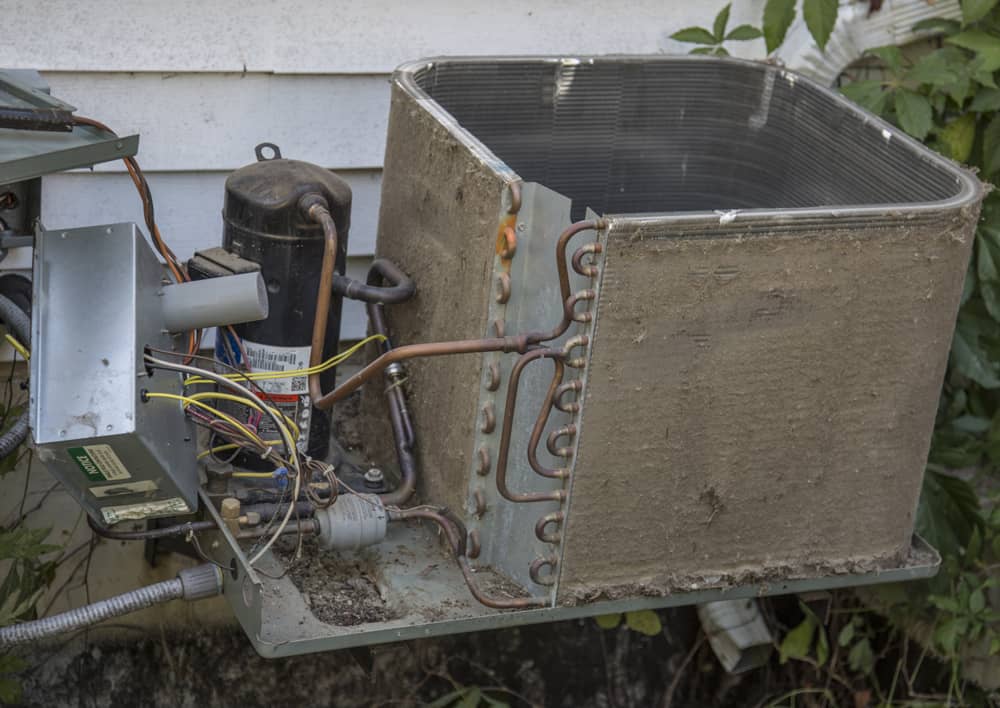
Evaporator coils remove heat and moisture from the air. Dirt on these coils blocks airflow and traps moisture. This wet, dirty surface can breed mold and bacteria. Cleaning coils regularly removes the debris and stops the musty smell.
Drain Pan Issues
The drain pan catches water from condensation inside the AC. If the pan clogs or cracks, water pools and stagnates. This standing water grows bacteria and mold, which cause the musty smell. Clearing the drain pan and pipes prevents this problem.
Ductwork Moisture And Dirt
Ducts carry cooled air throughout your home. Moisture or dirt inside ducts can create a damp environment. This leads to mold growth and bad odors spreading through vents. Cleaning ducts and fixing leaks reduce musty smells.
Health Risks From Musty Ac Odors
Musty odors from your air conditioner are not just unpleasant. They can signal health risks. These smells often mean mold, mildew, or bacteria are growing inside the unit. Breathing in these pollutants may harm your health. Understanding these risks helps you act fast and protect your home environment.
Allergies And Respiratory Issues
Musty AC odors often come from mold and mildew. These substances release spores into the air. Spores can trigger allergic reactions in many people. Symptoms include sneezing, coughing, and itchy eyes. Some individuals may also develop asthma attacks. Children and older adults are more vulnerable to these issues.
Bacterial Contamination
Air conditioners can harbor bacteria on damp parts. Bacteria grow well in moist, dark areas like evaporator coils. Breathing in bacteria from your AC can cause infections. It may lead to respiratory problems such as bronchitis. Some bacteria even cause flu-like symptoms, making you feel very unwell.
Indoor Air Quality Concerns
Musty smells reduce the quality of indoor air. Poor air quality affects your comfort and health. Pollutants from your AC can circulate throughout your home. This can worsen breathing problems and cause headaches. Clean air means a safer and more pleasant living space.
Quick Diy Fixes For Musty Ac Smell
Musty smells from your AC often signal dirt, mold, or moisture inside the unit. Quick DIY fixes can help remove these odors. You can improve air quality and comfort by cleaning and replacing key parts. These simple steps save time and money before calling a professional.
Replacing Or Cleaning Filters
Dirty filters trap dust and moisture, causing musty smells. Replace disposable filters every 1-3 months. Wash reusable filters with warm water and mild soap. Let them dry completely before reinstalling. Clean filters improve airflow and reduce odors.
Cleaning Evaporator Coils
Evaporator coils collect dirt and mold, leading to bad smells. Turn off the AC and open the access panel. Use a soft brush or coil cleaner to remove grime gently. Avoid harsh chemicals that could damage coils. Clean coils keep your AC fresh and efficient.
Clearing Drain Pans And Lines
Clogged drain pans or lines cause water buildup and mold growth. Locate the drain pan under the evaporator coil. Remove standing water and clean the pan with mild detergent. Clear the drain line using a wet-dry vacuum or a long flexible brush. Proper drainage stops musty odors.
Using Mild Cleaning Solutions
Strong chemicals can harm your AC and air quality. Use mild cleaning solutions like diluted dish soap or vinegar. Mix one part vinegar with three parts water for safe cleaning. Apply gently to surfaces with a soft cloth or spray bottle. Mild cleaners remove mold and dirt without damage.
Credit: heatwaveheatingandcooling.com
Preventing Future Musty Odors
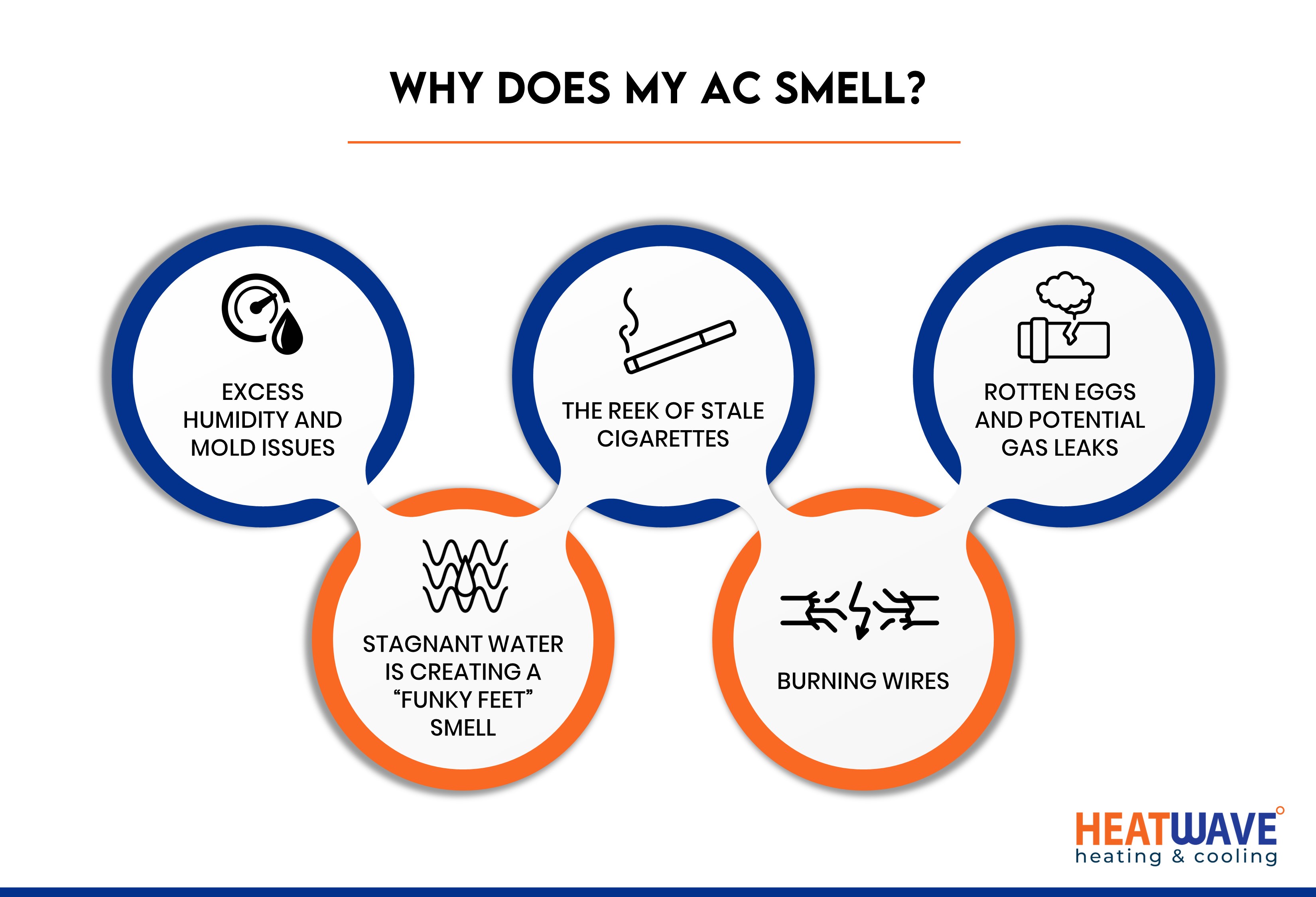
Preventing musty odors from your AC is key for fresh, clean air. These smells often start from moisture and mold build-up. Stopping them early keeps your home healthy and comfortable.
Regular Maintenance Tips
Clean or replace AC filters every one to three months. Dirty filters trap moisture and dust, causing odors. Check and clear drain lines to avoid water buildup. Wipe down coils and drip pans to prevent mold growth. Regularly running your AC helps keep parts dry and mold-free.
Installing Uv Germicidal Lights
UV lights kill mold and bacteria inside the AC system. They stop musty smells before they start. Installing UV lights near coils or air handlers improves air quality. These lights run quietly and use little energy. They provide a strong defense against mold buildup.
Controlling Indoor Humidity
Keep indoor humidity between 30% and 50%. High humidity helps mold grow inside ducts and coils. Use dehumidifiers or air conditioners to reduce moisture. Proper ventilation in bathrooms and kitchens also helps. Dry air means less chance for musty odors to form.
Scheduling Professional Duct Cleaning
Have your ducts cleaned every few years by a pro. Dust, mold, and debris collect in ducts and cause smells. Professionals use special tools to remove buildup deep inside. Clean ducts improve air flow and reduce odor problems. Regular cleaning keeps your AC working well and smelling fresh.
When To Call An Hvac Professional
Knowing when to call an HVAC professional is key to keeping your AC running smoothly. Some smells signal minor issues, while others warn of serious problems. Acting fast helps protect your home’s air quality and prevents costly repairs. Below are signs that require expert attention.
Persistent Odors After Cleaning
If musty smells linger after you clean your AC, call a professional. Persistent odors may mean hidden mold or dirt in the ductwork. Experts can find and remove these hard-to-reach spots. This stops smells from coming back and improves air quality.
Suspected Mold Infestation
Musty smells often point to mold growth inside your AC system. Mold can harm your health and damage equipment. If you suspect mold, do not try to fix it yourself. HVAC professionals have special tools to safely remove mold and prevent its return.
Electrical Or Refrigerant Smells
Burning or chemical smells need immediate expert help. These odors may signal an electrical fault or a refrigerant leak. Both issues are dangerous and require quick repairs. Turning off the unit and calling a pro can avoid fires or health risks.
System Inspection And Repair
Regular inspections help catch problems early. If your AC smells musty or strange, schedule a professional check. Technicians will inspect, clean, and repair your system. This keeps your AC efficient and your home comfortable all year.
Credit: carolinacomfortsc.com
Frequently Asked Questions
How Do You Get The Musty Smell Out Of Your Air Conditioner?
Clean your AC’s evaporator coils, blower motor, and filters with warm water and mild detergent. Use a bleach solution for mold. Install a UV light to prevent mildew and improve air quality. Regular maintenance stops musty odors effectively.
What Is The $5000 Ac Rule?
The $5000 AC rule states you should replace or repair an air conditioner if costs exceed $5000. This helps avoid expensive, inefficient fixes.
Should I Turn My Ac Off If It Smells?
Turn off your AC if it smells musty, burning, or like gas. These odors may signal mold, electrical issues, or leaks needing professional repair.
Is Bad Ac Smell Harmful?
Bad AC smell often signals mold or bacteria growth, which can cause allergies or respiratory issues. Address it promptly for safety.
Conclusion
A musty smell from your AC signals moisture and possible mold growth. Regular cleaning of filters and coils helps reduce odors and improve air quality. Fix leaks and keep drainage clear to prevent dampness inside the unit. Using a UV light system can also stop mold from growing.
Addressing these issues quickly keeps your home fresh and healthy. Don’t ignore the smell; it protects your comfort and well-being.