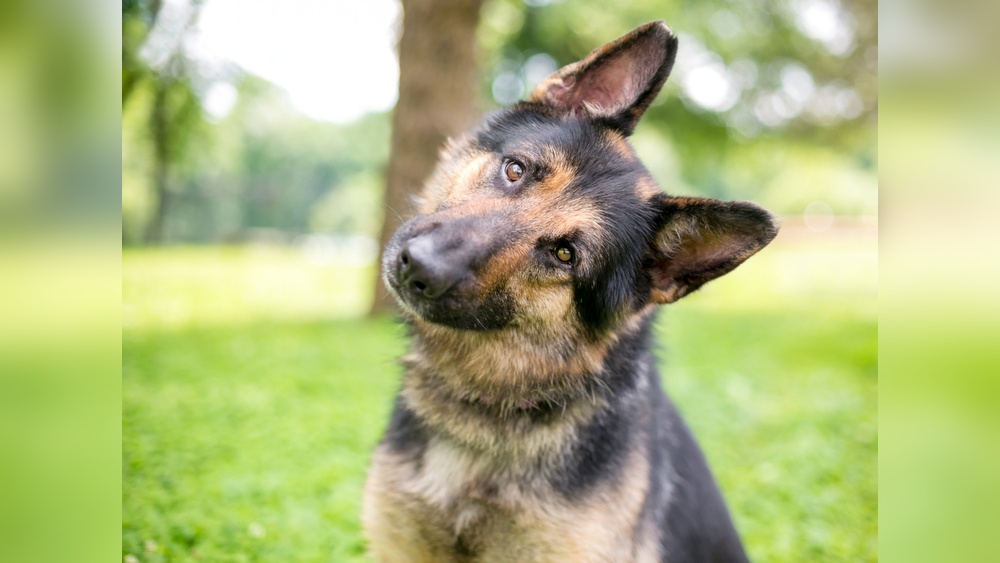
Have you ever caught your dog tilting their head at you and wondered why they do it? That adorable little gesture isn’t just cute—it’s your dog’s way of trying to understand you better.
When your furry friend tilts their head, they’re sharpening their hearing, getting a clearer look at your face, and focusing hard on your words. It’s like they’re saying, “I’m listening, please keep talking!” Curious to know what’s really going on behind that tilted head?
Keep reading, because uncovering the reasons behind this charming behavior will deepen the bond between you and your dog—and you might be surprised by what you learn!
Reasons Dogs Tilt Their Heads
Dogs tilt their heads for several interesting reasons. This behavior helps them understand sounds, sights, and even human emotions better. Each tilt serves a purpose, from improving hearing to showing cognitive focus.
Understanding why dogs tilt their heads reveals how they interact with the world and people around them. Let’s explore the main reasons behind this charming action.
Improved Hearing
Tilting the head changes the position of their ears. This helps dogs locate sounds more precisely. They can tell where a noise is coming from and hear it more clearly. It helps them focus on important sounds like your voice or a doorbell.
Better Visual Perspective
A dog’s snout can block part of their view. Tilting the head lets them see your face and mouth better. They can watch your expressions and lip movements. This helps dogs understand what you might be feeling or saying.
Cognitive Engagement
Head tilting shows a dog is paying close attention. It means they are trying to make sense of new sounds or words. This behavior often appears when dogs hear unusual noises or commands. It reflects their curiosity and intelligence.

Credit: www.scientificamerican.com
How Head Tilting Helps Dogs Listen
Dogs tilt their heads to enhance their hearing ability. This simple action helps them understand sounds better. Head tilting allows dogs to focus on important noises and figure out where they come from. It also helps them catch specific tones or frequencies that interest them. This behavior is a smart way dogs use their senses to connect with their environment and with humans.
Locating Sound Direction
Tilted heads change the position of a dog’s ears. This helps dogs pinpoint the exact location of a sound. By moving their ears, dogs can tell if a noise is coming from the left, right, above, or behind. This skill is useful in many situations, like hearing a call or spotting danger. Head tilting improves their ability to react quickly to sounds around them.
Focusing On Specific Frequencies
Dogs hear a wider range of sounds than humans do. Tilting their heads helps them tune into certain frequencies more clearly. This can include the tone of a human voice or the sound of a toy. When a dog tilts its head, it filters out background noise. This makes it easier to focus on what matters most. It helps dogs understand commands and respond better.
Seeing Beyond The Muzzle
Dogs do more than just listen when they tilt their heads. This simple move helps them see your face better. Their long snouts can block part of your expressions. Tilting the head gives them a clearer view. It helps dogs understand your feelings and intentions.
Dogs use their eyes and ears together. They try to read your face like a book. This act shows how smart and social they are. It helps strengthen the bond between you and your pet. Seeing beyond the muzzle is a key reason for the tilt.
Reading Facial Expressions
Facial expressions tell dogs a lot. They notice if you are happy, sad, or angry. A tilted head lets dogs catch subtle changes in your face. They watch your eyes, eyebrows, and mouth closely. This helps dogs guess your mood and react properly.
Dogs look for signs in your face to know what you want. They can spot small movements others might miss. This helps them respond with the right behavior. Head tilting improves their view, making it easier to read you.
Understanding Mouth Movements
Dogs pay close attention to mouth movements. Watching your lips and teeth helps them hear better. Your snout might hide these movements without the tilt. Seeing your mouth helps dogs learn words and commands.
They watch how your mouth shapes sounds. This helps dogs recognize familiar words. They can tell if you are speaking softly or loudly. Head tilting supports clearer communication between dogs and humans.
Emotional And Cognitive Triggers
Dogs often tilt their heads as a response to emotional and cognitive triggers. This behavior shows their active engagement with their surroundings. It reflects their curiosity and their desire to understand what is happening. Head tilting helps dogs process information better. It is more than just a cute gesture; it reveals their thought process and feelings.
Curiosity And Problem-solving
Dogs tilt their heads when they encounter something new or puzzling. This action helps them focus better on sounds and sights. It allows them to gather more details and make sense of their environment. Head tilting shows a dog’s intelligence and willingness to solve problems. It is their way of paying close attention and trying to figure things out.
Learning Through Positive Reinforcement
Dogs often learn to tilt their heads because of positive feedback. When they do it, owners usually respond with praise or treats. This encourages dogs to repeat the behavior. Over time, head tilting becomes a way to communicate and seek rewards. It also strengthens the bond between dogs and their owners through shared understanding.
Recognizing Meaningful Head Tilts
Recognizing meaningful head tilts in dogs reveals more than just a cute gesture. It shows how dogs process sounds and engage with their environment. Understanding these tilts helps pet owners connect better with their furry friends. Dogs use head tilts to focus on important sounds and cues. This behavior reflects their attention and interest in communication.
Response To Familiar Words
Dogs often tilt their heads when they hear familiar words. Words like “treat,” “walk,” or their name catch their attention. The tilt helps them process these sounds clearly. It shows they recognize the word and expect something to happen. This response means your dog is learning and remembering important commands.
Signs Of Active Listening
A head tilt signals active listening in dogs. It means they are paying close attention to sounds or voices. Dogs tilt their heads to adjust their ears for better hearing. This helps them understand tone and emotion in your voice. The behavior shows they want to understand you and respond appropriately.

Credit: www.adaptil.co.uk
When Head Tilting Signals A Problem
Dogs often tilt their heads to communicate or understand their environment. Sometimes, this behavior signals an underlying problem. Watching for unusual or persistent head tilts is important. It can help spot health issues early and protect your pet’s well-being.
Persistent Tilts And Medical Issues
A dog tilting its head occasionally is normal. But if the tilt lasts for days or gets worse, it may show a medical problem. Persistent tilts can mean discomfort or pain in the ears or brain. Ignoring this can lead to serious health risks. Prompt veterinary care ensures proper diagnosis and treatment.
Ear Infections And Vestibular Disorders
Ear infections are a common cause of head tilting in dogs. They cause itching, pain, and balance problems. Dogs may shake their heads or scratch their ears often. Vestibular disorders affect balance and can cause sudden tilting, circling, or falling. These disorders need immediate medical attention. Early treatment helps dogs recover faster and avoid complications.

Credit: www.dutch.com
Frequently Asked Questions
Why Do Dogs Tilt Their Heads When You Speak To Them?
Dogs tilt their heads to hear sounds better, see your face clearly, and understand your speech. This shows focus and curiosity.
Why Do Dogs Tilt Their Heads At Humans?
Dogs tilt their heads to better hear sounds, see facial expressions, and understand human speech. This behavior shows focus and curiosity. It helps them locate sounds and interpret words, strengthening their connection with humans. Sometimes, it also reflects learned responses to positive feedback.
Are Dogs That Tilt Their Head Smart?
Dogs tilt their heads to hear better, see facial expressions, and process sounds. This behavior shows focus and curiosity, indicating intelligence and engagement.
Do Dogs Tilt Their Head When Confused?
Dogs tilt their heads to better hear sounds, see facial expressions, and understand human speech. This shows focus and curiosity.
Conclusion
Dogs tilt their heads to hear and see better. This helps them understand sounds and your facial expressions. They show interest and try to figure out what you mean. Sometimes, head tilting is a learned behavior linked to rewards. Watch for unusual or constant tilts, as they may signal health issues.
Overall, this simple action reveals how dogs connect and communicate with us. It’s a small but meaningful way dogs express curiosity and attention.