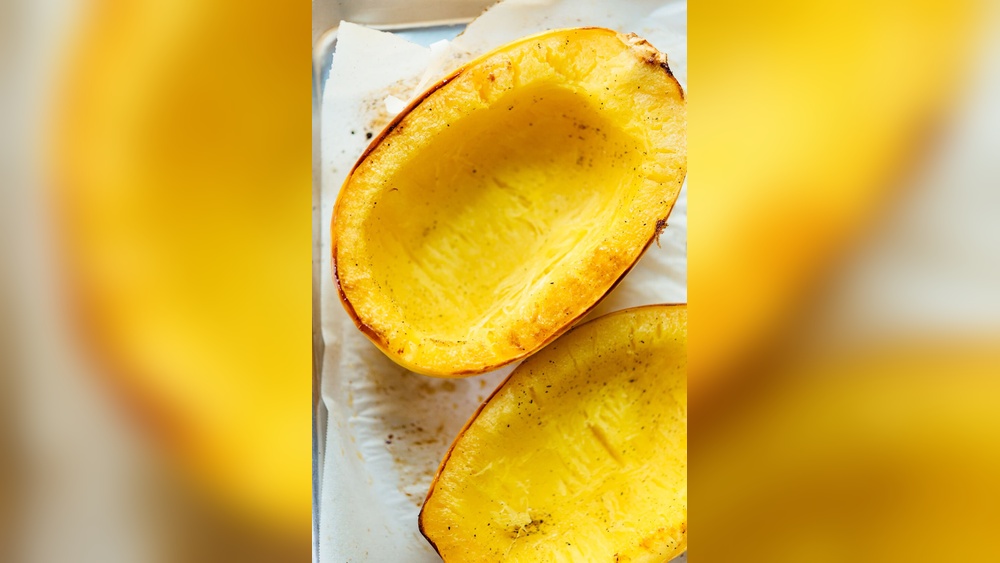
If you’ve ever wondered how to cook spaghetti squash so it turns out tender, flavorful, and perfect every time, you’re in the right place. This unique vegetable is a fantastic low-carb alternative to pasta, and once you learn the simple steps to prepare it, you’ll want to add it to your regular meals.
Imagine pulling apart golden strands that look just like spaghetti—ready to be topped with your favorite sauce or enjoyed plain. Keep reading, and you’ll discover easy, foolproof methods to make spaghetti squash a delicious and healthy staple in your kitchen.
Choosing Spaghetti Squash
Choosing the right spaghetti squash makes cooking easier and tastier. Fresh, firm squash yields perfect strands and better flavor. A good choice starts with size and ripeness, then proper storage keeps it fresh longer.
Size And Ripeness
Pick squash that feels heavy for its size. Medium-sized ones are easier to handle and cook evenly. The skin should be hard and yellow or pale orange. Avoid squash with soft spots or green patches. A ripe squash has a firm shell and a deep color.
Storage Tips
Store spaghetti squash in a cool, dry place. Keep it away from direct sunlight and moisture. It can last up to one month if stored properly. Do not refrigerate whole squash; cold can damage its texture. Once cut, wrap tightly and refrigerate to keep fresh.
Credit: cookieandkate.com
Preparing The Squash
Preparing spaghetti squash is the first step to enjoying this healthy, versatile vegetable. It needs careful handling to get the best texture and flavor. Proper preparation ensures easy cooking and tasty results.
Cutting Techniques
Start by washing the squash well. Place it on a sturdy cutting board. Use a sharp, large knife for safety and control. Cut the squash lengthwise from top to bottom. This exposes the seeds inside. Cutting can be tough due to its hard skin. Take your time and cut carefully. Avoid using dull knives to prevent accidents.
Removing Seeds
After cutting, open the squash halves. You will see a cluster of seeds in the center. Use a spoon to scoop out the seeds and stringy bits. Remove all seeds to avoid a bitter taste. Discard the seeds or save them for roasting later. Clean the cavity well before cooking for the best texture.
Seasoning Basics
Seasoning the squash adds flavor without overpowering it. Drizzle olive oil over the cut sides. Sprinkle a pinch of salt and pepper evenly. You can add garlic powder or dried herbs if you like. Simple seasoning lets the natural taste shine. Season before cooking to allow flavors to infuse during roasting or baking.
Cooking Methods
Spaghetti squash is a versatile vegetable with a unique texture. It can be cooked using various methods that suit different needs. Each method changes the texture and flavor slightly. Choose the one that fits your time and kitchen tools.
Oven Roasting
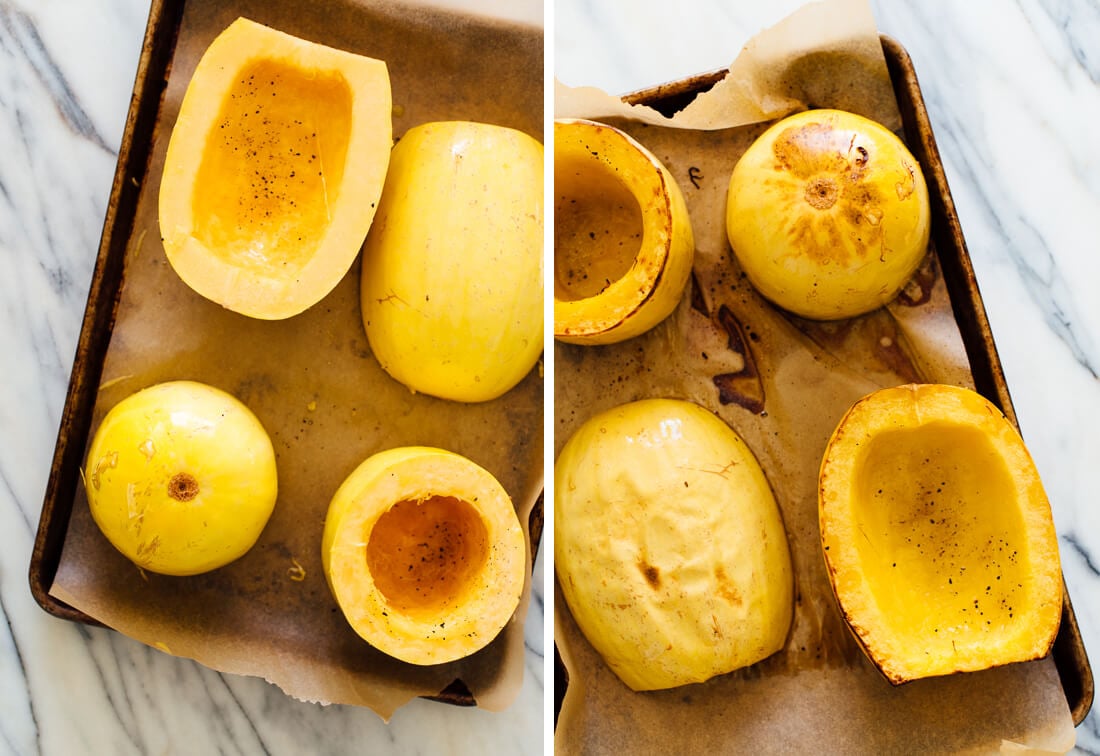
Cut the squash in half lengthwise. Remove the seeds with a spoon. Place the halves cut-side down on a baking sheet. Roast at 400°F (205°C) for 40 to 50 minutes. The flesh becomes tender and easy to scrape into strands. Roasting brings out a sweet, nutty flavor.
Microwaving
Cut the squash in half and remove the seeds. Place the halves cut-side down in a microwave-safe dish. Add a little water to the dish for steam. Microwave on high for 10 to 12 minutes. This method is fast and keeps the squash moist. Check for softness with a fork before stopping.
Instant Pot
Cut the squash in half and remove the seeds. Place the halves on the trivet inside the Instant Pot. Add one cup of water. Seal and cook on high pressure for 7 minutes. Quick release the pressure carefully. Instant Pot cooking is fast and keeps the squash tender.
Boiling
Cut the squash into chunks or halves. Remove the seeds. Place the pieces in boiling water. Boil for 20 to 30 minutes until tender. Drain well before scraping the flesh. Boiling softens the squash but may lose some flavor to the water.
Checking For Doneness
Checking for doneness is a key step in cooking spaghetti squash. It ensures the squash is tender and easy to shred into strands. Properly cooked squash has a pleasant texture and better taste. Avoid undercooking or overcooking to get the best results. Here are simple ways to check if your spaghetti squash is done.
Texture Tests
Use a fork to test the squash texture. Insert the fork into the flesh near the center. It should slide in easily without resistance. If the flesh feels hard, the squash needs more cooking time. If it feels soft but not mushy, it is perfectly cooked. Avoid overcooking, which makes strands watery and mushy.
Visual Cues
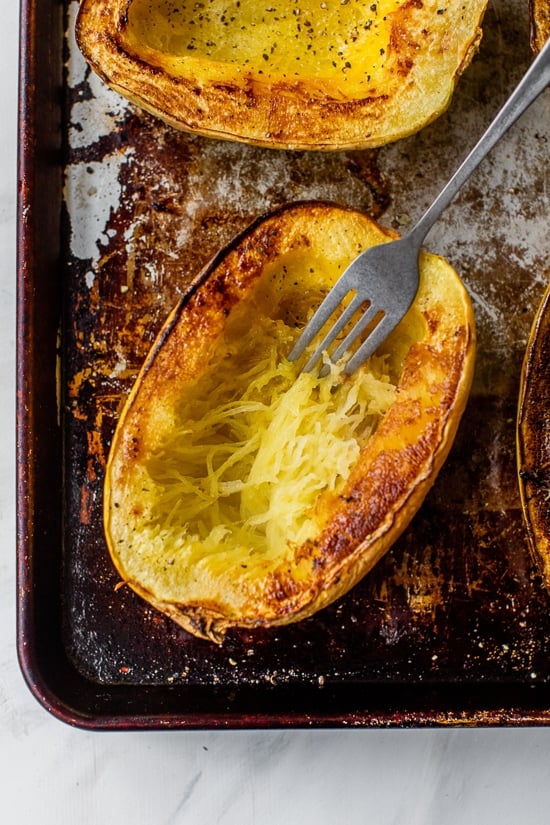
Look at the color of the cooked squash. The flesh should turn from pale yellow to a deeper golden shade. The skin may wrinkle slightly but should stay firm. Avoid dark spots or burnt edges, signs of overcooking. The strands should separate easily when scraped with a fork. This visual check helps confirm perfect doneness.
Shredding The Squash
Shredding spaghetti squash is the key step to reveal its unique, noodle-like texture. After cooking, the flesh softens and separates easily. This process turns the squash into long, thin strands that resemble spaghetti. Proper shredding ensures the best texture for your dish.
Using A Fork
Grab a fork and gently scrape the inside of the squash. The strands will come loose with little effort. Move the fork around the edges and center to get all the flesh. Use a gentle back-and-forth motion for clean strands. Avoid pressing too hard to keep strands intact. This method is simple and requires no special tools.
Alternative Tools
A fork works well, but some tools can speed up shredding. Try a silicone spatula to scrape the squash gently. A spoon can also help scoop out strands without breaking them. Some cooks use a pastry cutter to create uniform strands. Choose tools that fit comfortably in your hand. These alternatives save time and reduce effort.
Flavor Enhancements
Spaghetti squash has a mild, slightly sweet flavor that acts like a blank canvas. Enhancing its taste makes every bite more enjoyable. Simple additions can bring out its natural goodness. Seasonings, sauces, herbs, and spices all play a role in boosting its flavor.
Simple Seasonings
Salt and pepper are classic choices that enhance the squash’s natural flavor. A drizzle of olive oil adds richness and helps seasonings stick. A little garlic powder or onion powder can add subtle depth without overpowering. Keep it light to let the squash shine through.
Sauce Pairings
Spaghetti squash pairs well with many sauces. Tomato-based sauces like marinara bring tang and acidity. Creamy sauces such as Alfredo add smooth texture and richness. Pesto gives a fresh, herby burst that complements the squash’s sweetness. Experiment with your favorite sauce to find the best match.
Adding Herbs And Spices
Fresh herbs like basil, parsley, or thyme add brightness and color. Sprinkle chopped herbs on top after cooking for a fresh taste. Spices like red pepper flakes bring a gentle heat. A pinch of smoked paprika or cumin can add warmth and depth. Use herbs and spices sparingly to enhance, not mask, the flavor.
Serving Ideas
Spaghetti squash is a versatile vegetable that works well in many dishes. Its mild flavor makes it a perfect base for different meals. Here are some serving ideas to enjoy this healthy and tasty squash.
As A Pasta Substitute
Spaghetti squash is a great low-carb alternative to pasta. After cooking, use a fork to shred the flesh into strands. These strands look like spaghetti noodles. Top them with marinara or pesto sauce. Add some grated cheese for extra flavor. You can also mix in cooked meat or vegetables. This way, you enjoy a light and nutritious pasta dish.
In Salads
Cold or warm, spaghetti squash adds texture to salads. Toss the cooked strands with fresh greens, cherry tomatoes, and cucumbers. Add a simple dressing of olive oil and lemon juice. For protein, include chickpeas or grilled chicken. This makes a filling and healthy salad for lunch or dinner. The squash’s mild taste blends well with many ingredients.
Baked Dishes
Spaghetti squash works well in baked recipes. Mix the cooked squash with cheese, eggs, and your choice of herbs. Pour the mixture into a baking dish. Add toppings like breadcrumbs or extra cheese. Bake until golden and bubbly. This creates a comforting casserole or gratin. You can also use it as a base for stuffed vegetables or layered bakes.
Credit: www.skinnytaste.com
Tips For Perfect Results
Cooking spaghetti squash perfectly can be easy with a few simple tips. These tips help you avoid common problems like watery strands and uneven cooking. They also guide you on storing leftovers to keep your squash fresh and tasty.
Avoiding Watery Squash
To prevent watery spaghetti squash, do not overcook it. Overcooking releases extra water from the squash strands. Roast or bake until just tender. Let it cool slightly before scraping out the strands. Use a fork to gently separate the strands without mashing. This keeps the texture light and dry.
Even Cooking
Cut the squash in half lengthwise for even heat. Scoop out the seeds before cooking. Brush the flesh with oil and place cut side down on the baking sheet. This helps the heat cook the squash evenly. Rotate the pan halfway through baking. Check for tenderness with a fork to avoid undercooking.
Storage Of Leftovers
Store leftover cooked spaghetti squash in an airtight container. Keep it in the refrigerator for up to 4 days. Reheat gently in the microwave or on the stove. You can also freeze cooked squash in freezer bags for up to 3 months. Thaw in the fridge before reheating to keep the best texture.
Credit: www.skinnytaste.com
Frequently Asked Questions
How To Prepare Spaghetti Squash?
Cut spaghetti squash in half lengthwise and scoop out seeds. Drizzle with olive oil, salt, and pepper. Place cut-side down on a baking sheet. Roast at 400°F for 40-45 minutes. Let cool, then scrape flesh with a fork to create spaghetti-like strands.
Serve as desired.
Do You Have To Cut Spaghetti Squash In Half Before Cooking It?
Cutting spaghetti squash in half before cooking helps remove seeds and roast evenly. Whole cooking is possible but slower.
What’s The Best Way To Eat Spaghetti Squash?
Cut spaghetti squash in half, remove seeds, drizzle olive oil, salt, and pepper. Roast cut-side down at 400°F for 40 minutes. Let cool, then shred flesh with a fork. Serve with butter, cheese, or your favorite pasta sauce for best flavor and texture.
How Long To Bake Spaghetti Squash At 400 Degrees?
Bake spaghetti squash at 400°F for 40 to 45 minutes. Cut in half, remove seeds, and roast cut-side down until tender.
Conclusion
Cooking spaghetti squash is simple and rewarding. Roast or microwave it until tender. Use a fork to shred the flesh into spaghetti-like strands. Season with your favorite spices or sauces for flavor. This vegetable works well as a low-carb pasta substitute.
Enjoy its mild taste and health benefits easily. Try different recipes to find your favorite way to eat it. Cooking spaghetti squash adds variety and nutrition to your meals. Give it a try and enjoy a fresh, healthy dish.