Have you ever been stuck with a car that just won’t start? It’s frustrating, especially when you’re in a hurry or far from help.
But don’t worry—you can get your car running again quickly by jump starting it yourself. Knowing the right steps can save you time, money, and stress. In this guide, you’ll learn exactly how to jump start a car safely and effectively.
Stick with me, and by the end, you’ll feel confident handling this common problem anytime it happens to you.
Credit: www.rmi.org.za
Safety Tips
Jump starting a car can be quick and easy. Safety must come first to avoid injury or damage. Follow these safety tips carefully to protect yourself and your vehicle.
Wear Protective Gear
Always wear gloves to protect your hands from battery acid. Safety glasses help shield your eyes from sparks or debris. Dress in clothes that cover your skin to avoid burns or cuts.
Check Battery Condition
Look for cracks or leaks on the battery case. Do not jump start if the battery is damaged. A swollen or leaking battery can be dangerous. Clean any corrosion on the battery terminals before connecting cables.
Avoid Sparks And Flames
Keep all flames and sparks away from the battery. Do not smoke near the car during jump starting. Connect cables carefully to prevent short circuits. Sparks near the battery can cause explosions.
Required Tools
Jump-starting a car requires a few simple tools. These tools help transfer power from a working battery to a dead one. Having the right tools ready makes the process safe and easy. Below are the essential items needed for jump-starting your car.
Jumper Cables
Jumper cables connect two car batteries. They have two clamps on each end, usually red and black. The red clamp connects to the positive terminal. The black clamp connects to the negative terminal or a metal ground. Choose cables that are thick and long enough to reach both batteries.
Working Vehicle
A working vehicle provides the power to jump-start the dead battery. It must have a fully charged battery and an engine that runs well. Position the working car close enough for the jumper cables to reach both batteries. Turn off both cars before connecting the cables for safety.
Optional Battery Tester
A battery tester checks the health of a car battery. It can show if the battery is too weak to hold a charge. This tool helps avoid repeated jump-starts or battery failure. Using a tester is not required but is helpful for diagnosing battery issues.
Prepare Vehicles
Preparing the vehicles properly is the first step to jump start a car safely. Taking time to position and secure both cars helps prevent accidents. It also ensures the power flows correctly between the batteries. Follow these steps to prepare each vehicle before connecting jumper cables.
Park Close Together
Park the cars close enough so the jumper cables reach both batteries. Leave enough space to avoid touching the cars. Align the vehicles front to front or side by side. This position makes cable connection easier and safer.
Turn Off Engines
Switch off both car engines before attaching cables. This prevents electrical shorts and sparks during connection. Keep all lights, radios, and accessories off as well. The cars should be completely powered down to avoid damage.
Engage Parking Brakes
Apply the parking brakes on both vehicles firmly. This stops the cars from moving during the jump start process. Parking brakes keep the cars stable and safe. Double check that the brakes hold before proceeding.
Connect Jumper Cables
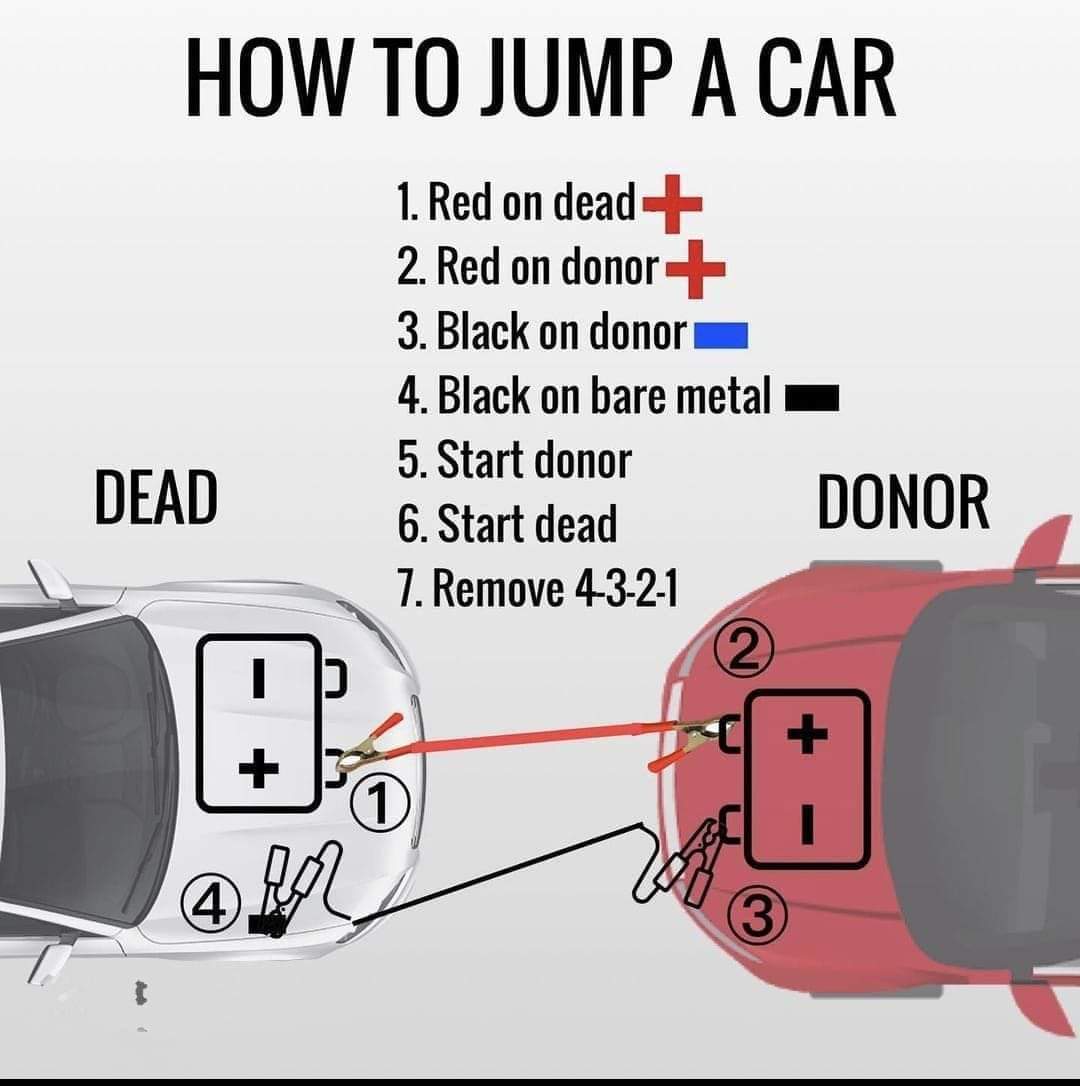
Connecting jumper cables correctly is key to safely jump-start a car. The cables carry power from the good battery to the dead one. Follow the right order to avoid sparks or damage.
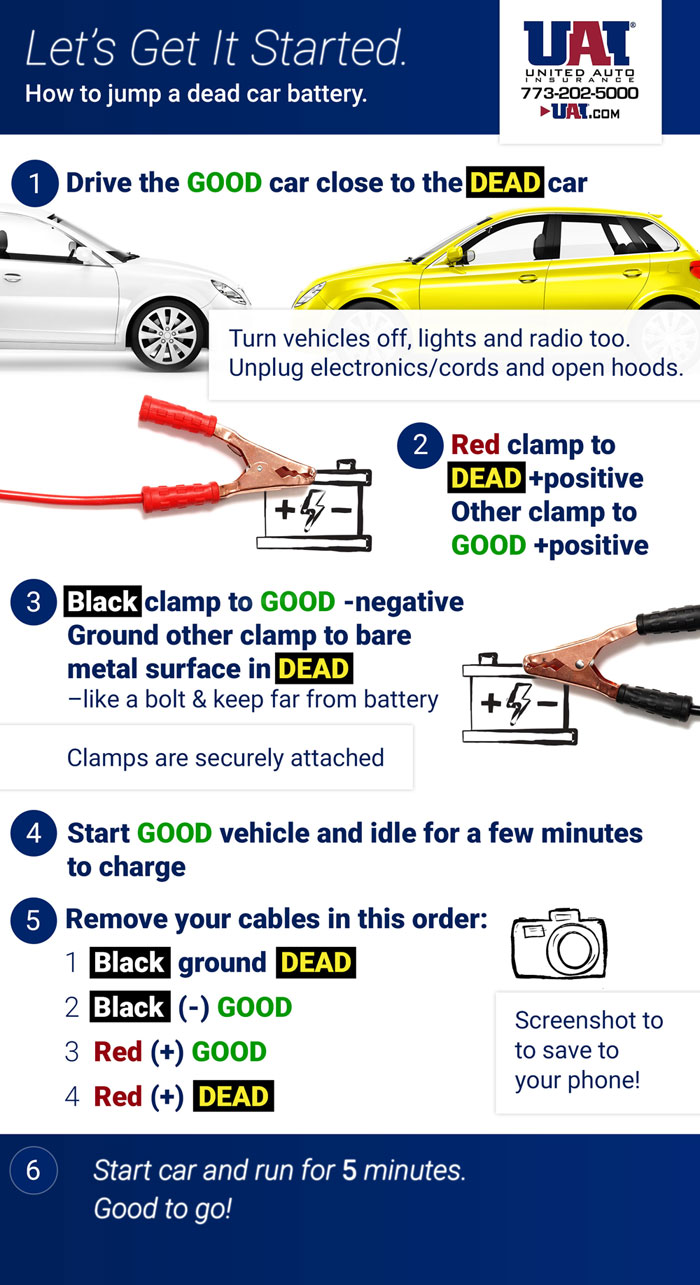
Attach Red Clamp To Dead Battery Positive
Find the positive terminal on the dead battery. It is marked with a plus (+) sign or red cover. Clamp the red jumper cable firmly onto this terminal. Make sure the clamp grips the metal well.
Attach Red Clamp To Good Battery Positive
Next, open the hood of the car with the good battery. Locate its positive terminal. Connect the other red clamp to this terminal. Check that the clamp is secure and will not slip off.
Attach Black Clamp To Good Battery Negative
Find the negative terminal on the good battery. It is marked with a minus (-) sign or black cover. Attach the black clamp to this terminal. This completes the positive and negative connections on the good battery.
Attach Black Clamp To Unpainted Metal On Dead Car
Do not connect the last black clamp to the dead battery. Instead, find an unpainted metal surface on the dead car’s engine or frame. Attach the black clamp there. This reduces spark risk near the dead battery.
Start Engine
Starting the engine is the key step in jump-starting a car. It brings life back to the dead battery and powers your vehicle. Follow the right order to avoid sparks or damage. Use care and patience for a safe jump start.
Start Working Vehicle
Turn on the engine of the working vehicle first. Let it run at idle speed. This charges the dead battery through the cables. Keep the engine running throughout the process.
Wait A Few Minutes
Give the working vehicle a few minutes to charge the dead battery. This allows enough power to build up. Do not rush to start the dead car immediately. Waiting helps ensure a successful start.
Start Dead Vehicle
Try to start the vehicle with the dead battery. Turn the key or push the start button. If it does not start, wait and try again. Once started, keep the engine running for at least 15 minutes to recharge the battery fully.
Disconnect Cables
Disconnecting the jumper cables is the final step after your car starts. This step must be done carefully to avoid sparks or damage. Remove the cables in the correct order. This ensures safety and protects both vehicles.
Remove Black Clamp From Dead Car
Start by removing the black clamp from the dead car’s battery. This is the negative cable. Gently pull the clamp off the metal part. Avoid touching the clamp to any metal on the car.
Remove Black Clamp From Good Car
Next, remove the black clamp from the good car’s battery. This completes the disconnection of the negative cables. Handle the clamp carefully to prevent any contact with moving parts.
Remove Red Clamp From Good Car
Now, remove the red clamp from the good car’s battery. This is the positive cable. Pull the clamp straight off without twisting. Keep the clamp clear from any metal surfaces.
Remove Red Clamp From Dead Car
Finally, remove the red clamp from the dead car’s battery. This finishes the cable removal process. Make sure the clamps do not touch each other or metal parts of the cars.
Post Jump-start Tips
After successfully jump-starting your car, taking a few key steps helps ensure your vehicle stays running smoothly. These post jump-start tips prevent future battery issues and keep your engine healthy. Follow these simple actions to maintain power and avoid getting stranded again.
Keep Engine Running
Do not turn off the engine immediately after jump-starting. Keep it running for at least 20 minutes. This allows the alternator to charge the battery. Turning off too soon may cause the battery to lose power again.
Drive To Recharge Battery
Driving your car helps recharge the battery faster than idling. Aim for a 15 to 30-minute drive on the highway or main roads. Avoid short trips, which may not provide enough charge. This keeps the battery healthy and ready for use.
Check Battery Health
After jump-starting, test the battery condition as soon as possible. Use a multimeter or visit a mechanic for a thorough check. Look for signs of a weak or damaged battery. Replace it if needed to prevent future jump-starts.
Credit: www.reddit.com
Common Mistakes
Jump starting a car can be simple, but many people make common mistakes. These errors can cause damage or prevent the jump start from working. Knowing what to avoid helps you jump start safely and quickly.
Incorrect Cable Order
Connecting jumper cables in the wrong order is a frequent mistake. Always attach the red positive cable first to the dead battery. Then connect it to the live battery. Next, attach the black negative cable to the live battery. Finally, connect the other black clamp to a metal part on the dead car, away from the battery. This order prevents sparks and protects the car’s electrical system.
Poor Cable Connections
Loose or dirty cable connections stop the power flow. Make sure clamps grip the battery terminals tightly. Clean any corrosion or dirt before clamping. Poor contact can make the jump fail or cause damage. Secure connections ensure the electricity flows smoothly between batteries.
Ignoring Safety Precautions
Skipping safety steps can lead to injury or damage. Never touch clamps together while connected to a battery. Keep cables clear of moving engine parts like belts or fans. Wear eye protection to guard against sparks. Always check the battery for cracks or leaks before starting. Safety must come first in every jump start.
Troubleshooting
Troubleshooting is key when jump-starting a car. Sometimes, the process does not work the first time. Knowing what to check helps save time and avoid damage.
Follow simple steps to identify common issues. This guide covers what to do if the car still won’t start. It also explains signs of a bad battery and when to seek professional help.
Car Still Won’t Start
Check all cable connections again. Make sure clamps are tight and on clean metal surfaces. Look for corrosion on battery terminals that may block power flow.
Try turning the key while pressing the gas pedal lightly. Listen for clicking sounds, which can mean the starter is working. No sound might indicate a dead battery or starter problem.
Battery Replacement Signs
Weak or slow engine crank is a common sign of battery failure. Dimming headlights or electrical issues also point to battery problems. If the battery is over three years old, consider replacing it.
Swollen battery case or leaking fluid means the battery is damaged. Avoid jump-starting and replace the battery immediately. Keep an eye on warning lights on your dashboard related to the battery.
When To Call For Help
Call a professional if the car still won’t start after several attempts. Avoid repeated jump-starts to prevent damage to electrical parts. A mechanic can test the battery and starter system thoroughly.
Help is also needed if you notice strange smells or smoke during jump-starting. Safety comes first, so do not risk injury or further damage. Roadside assistance can provide quick and safe solutions.
Credit: www.unitedautoinsurance.com
Frequently Asked Questions
What Is The Correct Way To Jump Start A Car?
Connect red clamp to dead battery’s positive terminal. Attach other red clamp to donor battery’s positive. Connect black clamp to donor battery’s negative terminal. Attach last black clamp to unpainted metal on dead car. Start donor car, then start dead car.
Remove cables in reverse order.
What Is The Order When Jump Starting A Car?
Connect red clamp to dead battery’s positive terminal first. Attach other red clamp to booster battery’s positive terminal. Connect black clamp to booster battery’s negative terminal. Attach last black clamp to unpainted metal on dead car. Start booster car, then start dead car.
Remove cables in reverse order.
What Are The 5 Steps To Jumpstart A Car?
1. Connect red clamp to dead battery’s positive terminal. 2. Attach other red clamp to donor battery’s positive terminal. 3. Connect black clamp to donor battery’s negative terminal. 4. Attach last black clamp to unpainted metal on dead car. 5.
Start donor car, then start dead car. Remove cables in reverse order.
What Is The Correct Way To Jump?
To jump correctly, bend your knees, swing your arms back, then jump powerfully upward, extending your body fully.
Conclusion
Jump-starting a car is simple with the right steps. Always connect cables carefully and in the correct order. Keep safety in mind to avoid accidents. Practice this skill to feel confident during emergencies. Remember, a dead battery is not the end of the road.
With patience and caution, your car will start again quickly. Stay calm and follow each step slowly for best results. This knowledge helps you stay prepared on the road.