Have you ever wanted to whistle a catchy tune or get someone’s attention with a sharp, clear sound? Whistling is a simple skill that anyone can learn, but it often feels tricky at first.
The secret lies in mastering the right lip shape, tongue position, and air control. You’ll discover easy, step-by-step tips that will help you whistle confidently in no time. Whether you want to whistle loudly to hail a cab or softly to hum along to your favorite song, you’re just a few simple adjustments away from making it happen.
Ready to impress yourself and others with your new whistling skill? Let’s dive in!
Basic Whistling Techniques
Learning to whistle starts with mastering the basic techniques. These techniques help you create clear and consistent sounds. Focus on three key areas: your lip shapes, tongue positioning, and breath control. Each plays a vital role in producing a whistle.
Practice these steps slowly and patiently. Small adjustments can make a big difference in the sound you create. Now, let’s explore each technique in detail.
Lip Shapes For Whistling
Begin by shaping your lips like you are about to say the letter “O”. Keep them relaxed but firm. Pucker your lips slightly, creating a small opening in the middle. This opening controls the airflow needed for whistling.
Try tightening or loosening your lips to find the perfect shape. Too tight, and the air won’t flow well. Too loose, and the sound will be weak or lost. Experiment to find what feels best for you.
Tongue Positioning Tips
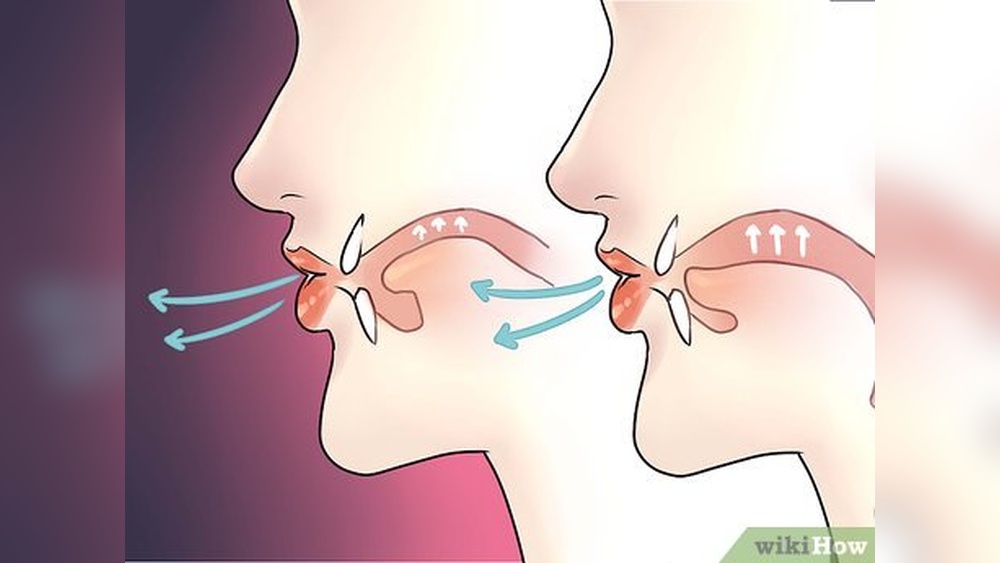
Position your tongue flat and pulled back slightly. The tip should rest just behind your lower front teeth or slightly lifted near them. The sides of your tongue can touch your upper molars or stay flat.
This creates a small channel for air to pass through. The air flows over a sharp edge formed by your tongue and lips. This edge is what produces the whistling sound. Move your tongue gently to adjust the tone.
Controlling Your Breath
Blow air steadily through your lips without forcing it. Use gentle, controlled breaths rather than strong bursts. Consistent airflow is key to a clear whistle.
Practice taking deep breaths and exhaling slowly. Keep your mouth relaxed as you blow. Try different speeds of air to see how the sound changes. Breath control helps you hold notes and whistle tunes.
Step-by-step Whistle Guide
Learning to whistle can be a fun and useful skill. This step-by-step whistle guide breaks down the process into simple parts. Follow these easy steps to start whistling clearly and confidently. Focus on each stage carefully for the best results.
Forming The Whistle Shape
Start by shaping your lips. Pucker them as if you are going to kiss. Keep the opening small and tight. The lips need to form a narrow hole for air to pass through. Avoid stretching your lips wide or leaving them too loose.
Next, position your tongue. Place it flat and slightly pulled back inside your mouth. The tip should create a small gap just behind your lower front teeth. This gap helps direct air over the tongue. Keep your tongue steady and relaxed.
Blowing Air Correctly
Blow air gently through the small opening between your lips. Use a steady, controlled breath. Avoid blowing too hard at first. A strong blast can stop the whistle sound. Instead, try a soft, even flow of air. This allows the air to vibrate and create the whistle.
Practice different air pressures. Adjust how softly or firmly you blow. Find the right balance that makes a clear sound. Remember to keep your lips and tongue in place while blowing.
Adjusting Pitch And Volume
Change pitch by moving your tongue slightly. Raising or lowering the tongue tip changes the sound. Move it closer to or further from your teeth. This adjustment changes the air path and pitch.
Control volume by changing how much air you blow. Blowing harder increases volume. Blowing softer lowers it. Keep experimenting with both pitch and volume. This helps you whistle melodies or signals clearly.
Finger Whistling Methods
Finger whistling methods offer a louder and sharper whistle sound. Using fingers helps shape the mouth opening to create a focused airflow. This technique requires proper finger placement and lip control. Practicing regularly improves sound quality and volume.
Finger Placement Options
Several finger placements work well for finger whistling. Common options include using:
- Index and middle fingers of one or both hands
- Thumb and middle finger
- Two middle fingers
Insert fingers into your mouth gently, pressing the sides of your tongue. The goal is to create a narrow, firm opening between your fingers and lips. Each person’s finger size and mouth shape affect which position feels best.
Combining Fingers And Lips
Fingers support your lips to form a tight seal. Keep lips rolled over your teeth slightly. Press fingers against the tongue to lift it near the roof of your mouth.
Blow air steadily through the small gap between fingers and lips. This focused airflow produces the whistling sound. Adjust finger pressure and lip tension to find the right balance.
Practice Drills
Start slow and steady. Try blowing air with fingers in place without forcing it. Feel how the air flows through the small opening.
Repeat daily for a few minutes. Experiment with finger positions and lip tightness. Record yourself to hear improvements.
Try whistling simple tunes once you produce a clear sound. Consistent practice builds muscle memory and control.

Credit: www.youtube.com
Common Whistling Challenges
Whistling can be tricky for many people. Common challenges often stop beginners from making clear sounds. Understanding these hurdles helps in improving your whistle. Practice and patience are key to overcoming these issues.
Why Whistling Fails
Whistling often fails because of incorrect lip shape. The lips need to form a small, tight opening. Too wide or too loose stops the air from passing properly. Tongue position also affects the sound. If the tongue blocks airflow, no whistle is made. Air pressure must be steady and controlled. Without this, the whistle may sound weak or not at all.
Overcoming Anatomy Barriers
Some people find whistling harder due to their mouth shape. The size and shape of lips, teeth, and tongue all matter. Small or thin lips can make it tough to shape the whistle. Tongue flexibility also plays a role. Try experimenting with different lip and tongue positions. Gentle stretching exercises may help increase flexibility. Remember, small changes can make a big difference.
Improving Breath Control
Breath control is vital for clear whistling. Blowing too hard or too soft stops the sound. Practice taking deep, calm breaths before whistling. Try to push air out evenly and slowly. Short bursts of air often work better than long pushes. Controlling your breath helps produce a steady, strong whistle. Regular practice improves lung control and whistle quality.
Tips For Faster Progress
Making quick progress in learning how to whistle requires focused effort and smart habits. Small daily actions build strong skills. Consistent practice and proper techniques help your tongue and lips work better together. Following simple tips speeds up your learning process.
Daily Practice Routines
Practice whistling every day, even for a few minutes. Short, regular sessions improve muscle memory. Try different lip shapes and tongue positions each time. Record yourself to notice small improvements. Gradually increase the practice time as you feel more comfortable. Consistency beats long, rare sessions.
Using Sounds To Train Tongue
Make simple sounds like “tss” or “sss” to control your tongue. These sounds teach you how to position the tongue correctly. Try moving your tongue slowly while making these sounds. This helps build the muscle control needed for whistling. Repeat these exercises several times daily. The tongue will learn how to create the right air channel.
Staying Patient And Consistent
Progress may feel slow at first. Don’t get discouraged if you don’t whistle loudly right away. Your muscles need time to adjust. Keep practicing without skipping days. Small improvements add up over time. Patience and steady effort are keys to success. Stay calm and enjoy the learning process.

Credit: www.youtube.com
Whistling Loudly And Clearly
Whistling loudly and clearly takes practice and the right technique. It means controlling your breath, shaping your lips, and positioning your tongue properly. Clear whistles cut through noise and reach far. Loud whistles carry better, making them useful outdoors or to catch attention. Focus on safe ways to increase volume, how to project sound outside, and ways to hail attention with your whistle.
Increasing Volume Safely
Blow air steadily and with control. Avoid blowing too hard to prevent strain. Take deep breaths before whistling. Relax your lips and mouth muscles. Pucker your lips tightly but comfortably. Adjust your tongue to create a narrow air channel. Practice soft whistles first, then increase volume gradually. This method keeps your mouth safe and helps produce louder sounds.
Projecting Sound Outdoors
Stand with good posture to support your breath. Aim your whistle towards open space. Use a shape with lips tighter than usual. Position your tongue to focus the airflow. Whistle in short bursts for better sound travel. The outdoors may have wind or background noise. Whistling sharply helps your sound carry farther. Test different angles to find the clearest projection.
Hailing Attention With Whistles
Use sharp, clear whistle notes to get noticed. Repeat your whistle in a pattern to signal clearly. Vary the pitch to make your call distinct. Louder and shorter whistles work well to attract attention fast. Practice common whistle signals for emergencies or calls. Keep your whistle consistent to avoid confusion. Whistling can be an easy way to communicate from a distance.

Credit: karinakreminski.substack.com
Frequently Asked Questions
How Do You Whistle For Beginners?
Purse your lips tightly and position your tongue slightly back with a small gap. Blow air gently while adjusting lip and tongue shape until you hear a whistle. Practice regularly and try wetting your lips to improve sound.
Why Can’t I Whistle Right?
You can’t whistle right because your lips, tongue position, or airflow aren’t correctly coordinated. Practice shaping lips, adjusting tongue placement, and controlling breath. Small changes create the whistle sound. Keep trying different lip shapes and tongue positions until you find what works.
Where Do You Put Your Tongue When Whistling?
Place your tongue flat and slightly pulled back, with the tip just behind or gently touching your lower front teeth. Keep the sides flat or slightly raised to create a narrow air channel. Blow air over this gap while pursing your lips to produce a whistle sound.
Why Can’t Some People Whistle?
Some people can’t whistle due to improper lip shape, tongue position, or insufficient airflow control. Practice improves skill.
Conclusion
Whistling takes patience and practice, but anyone can learn it. Start slowly and adjust your lips and tongue gently. Remember, making small changes helps find the right sound. Keep trying even if it feels hard at first. Soon, you will whistle clearly and enjoy this simple skill.
Practice a little each day to improve your tone and control. Whistling can bring joy and grab attention anytime you want. Don’t give up—your whistle will sound good with time.