Wondering how to address an envelope the right way? Whether you’re sending a simple thank-you note or an important business letter, getting the details correct is essential.
A small mistake can delay your mail or even send it back to you. But don’t worry—this guide will walk you through each step clearly and simply. You’ll learn where to place the recipient’s address, how to write your return address, and where to put the stamp so your mail reaches its destination without hassle.
Keep reading, and you’ll gain the confidence to address any envelope like a pro.
Recipient Address
Addressing the recipient’s address correctly is vital for smooth mail delivery. The recipient’s address shows who will get the envelope. It must be clear and complete. Every detail matters to avoid delays or lost mail.
Full Name Or Company
Start with the full name of the person or company. Use the full first and last name for individuals. For businesses, write the official company name. Avoid nicknames or abbreviations. This ensures the mail reaches the right recipient.
Street And Apartment
Write the street address on the next line. Include the house or building number and street name. If the recipient lives in an apartment or suite, add that number after the street address. This detail helps the postal worker deliver to the exact location.
City, State, And Zip
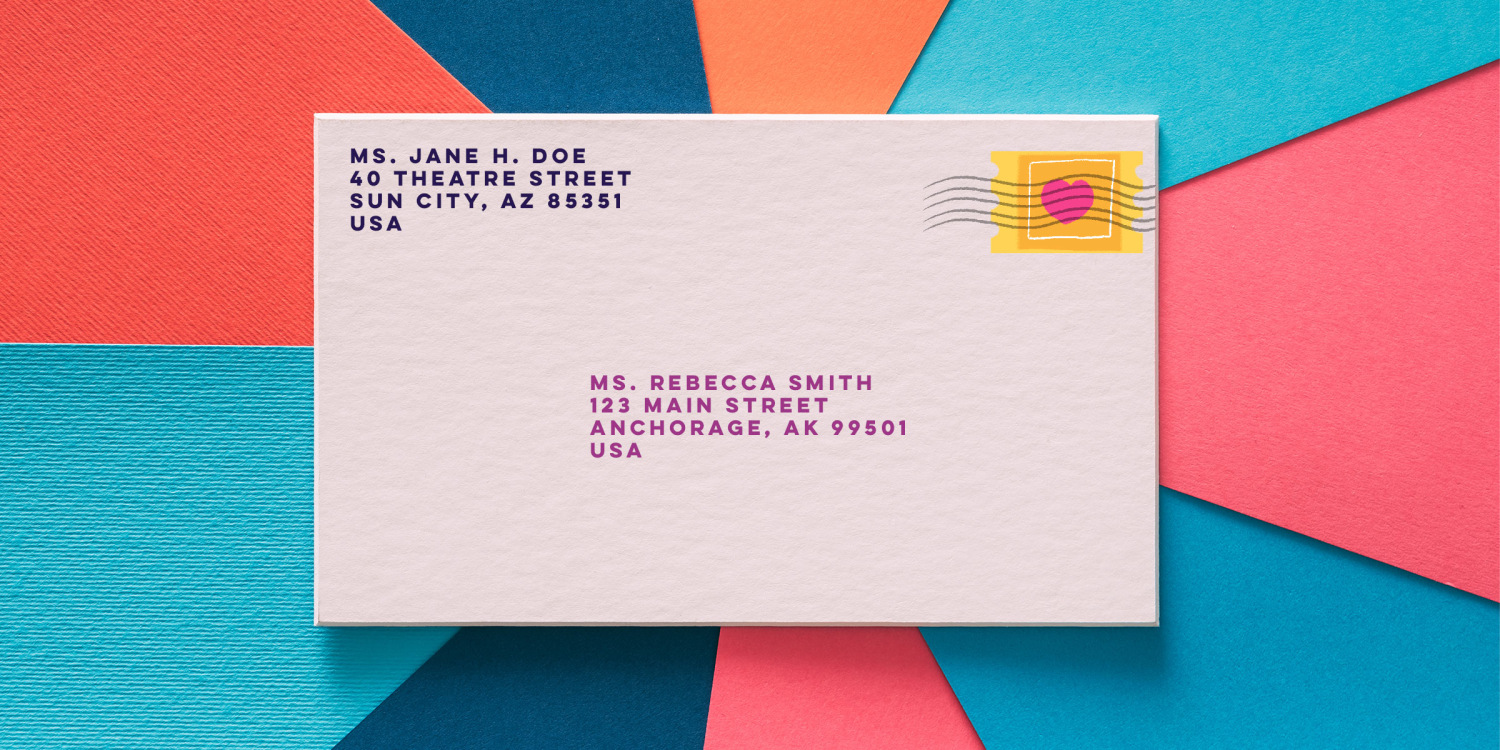
On the last line, write the city, state abbreviation, and ZIP code. Use standard two-letter state abbreviations. The ZIP code helps sort and deliver mail quickly. Make sure the city name matches the ZIP code for accuracy.
Credit: www.today.com
Return Address
The return address is a key part of addressing an envelope. It shows who sent the letter. This helps the mail carrier return the mail if delivery is impossible. It also lets the receiver know where the letter came from.
Clear and correct return address details avoid lost mail. It adds a layer of security to your correspondence.
Placement And Format
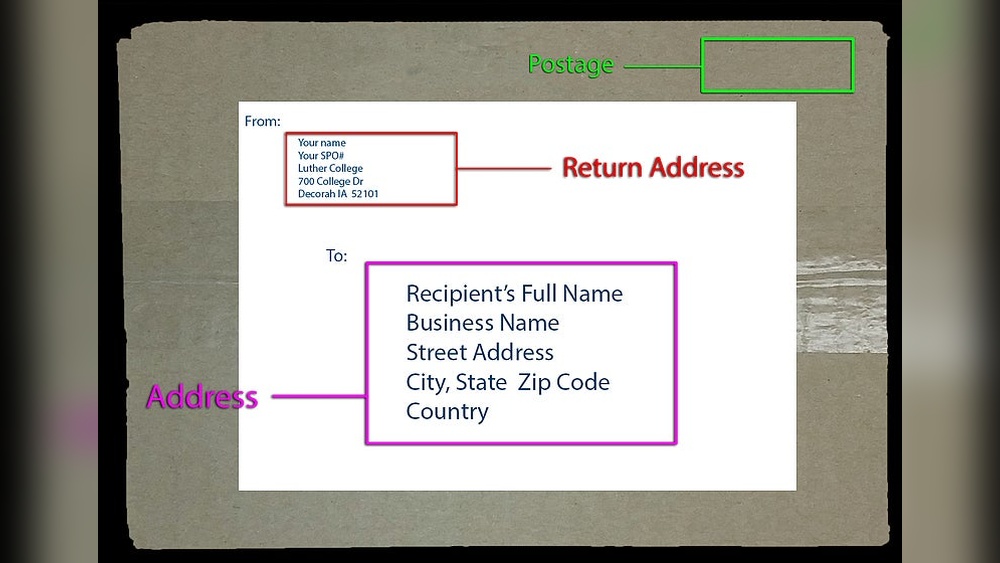
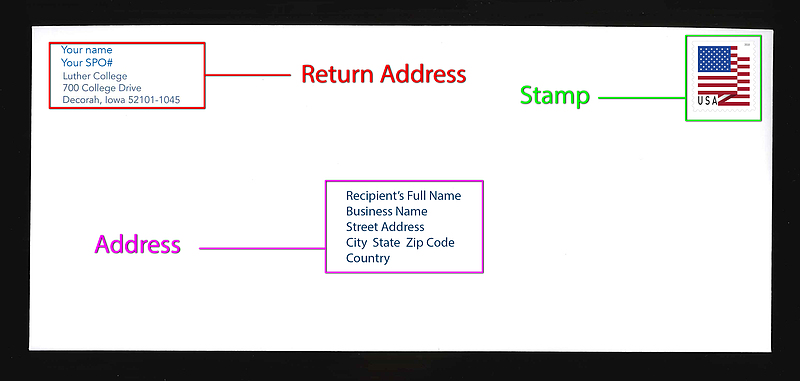
Place the return address in the top left corner of the envelope. Keep it small but readable. Use the same format as the delivery address.
Write the sender’s full name or company name on the first line. The next lines should include the street address, city, state, and ZIP code. Use a simple font or clear handwriting. Avoid cursive or fancy styles.
Importance Of Return Address
The return address ensures undeliverable mail returns to you. Without it, lost letters cannot be sent back. This can cause delays or loss of important mail.
It also helps the recipient trust the letter’s origin. Businesses often use return addresses to promote brand identity. Personal letters benefit from a clear sender address for easy replies.
Stamp Placement
Stamp placement is a small detail that greatly affects your mail’s delivery. Proper placement ensures the postal service processes your envelope quickly. It also prevents delays caused by misplaced stamps. Understanding where and how to place stamps is key to addressing an envelope correctly.
Correct Location
Place the stamp in the top right corner of the envelope. This spot helps postal workers scan the stamp easily. Avoid placing it too close to the edge or other markings. Keep it neat and clear of any writing or labels. This simple step speeds up the mailing process.
Choosing Postage
Choose the correct stamp based on your envelope’s size and weight. Standard letters usually need one First-Class stamp. Heavier or larger envelopes require extra postage. Check current postal rates before mailing. Using the right postage avoids returned mail or delays.
Using ‘in Care Of’ (c/o)
Using “In Care Of” (c/o) is a helpful way to send mail when the recipient does not have a direct address. It directs the mail to a person or organization who will pass it on. This method ensures the mail reaches the intended person safely.
Purpose Of C/o
The purpose of c/o is to route mail through a third party. It acts as a forwarding address. This helps when the recipient is staying temporarily at another location. It also works when you only know a contact person, not the full address. The c/o line clarifies who will receive the mail on behalf of the final recipient.
When To Use C/o
Use c/o if the recipient lives with someone else. It applies when sending mail to a business or an institution. It also works for temporary addresses like hotels or friends’ homes. Use c/o if you do not have the recipient’s exact mailing address. It helps avoid lost or returned mail by giving clear delivery instructions.
Common Mistakes
Addressing an envelope seems simple, but many make mistakes that delay delivery. These errors can cause confusion or even return of your mail. Avoiding common pitfalls ensures your letter reaches its destination quickly and safely.
Incorrect Address Order
Putting the address lines in the wrong order confuses postal workers. Always write the recipient’s name first. Next, add the street address or P.O. Box. Finally, write the city, state, and ZIP code on the last line. This order helps sorting and delivery go smoothly.
Illegible Handwriting
Hard-to-read handwriting slows down mail processing. Use clear, simple letters. Avoid cursive or fancy fonts. Printing your address in block letters improves clarity. If your handwriting is poor, consider printing a label. Clear addresses reduce the chance of delivery errors.
Missing Return Address
Leaving out your return address is risky. If the mail cannot be delivered, it won’t come back to you. Always include your full return address in the top left corner. This step protects you in case of errors or wrong delivery. It also shows professionalism and care.
Credit: www.luther.edu
Clarity And Etiquette
Addressing an envelope clearly and correctly shows respect and helps your mail reach its destination fast. Clarity prevents confusion for postal workers and the recipient. Proper etiquette reflects well on you, especially for formal or business mail.
Clear Handwriting Tips
Use a dark pen to write the address. Print letters instead of using cursive. Make letters big enough to read easily. Leave space between words. Avoid writing on the envelope’s edges. Check for spelling mistakes before mailing.
Formal Vs. Informal Addressing
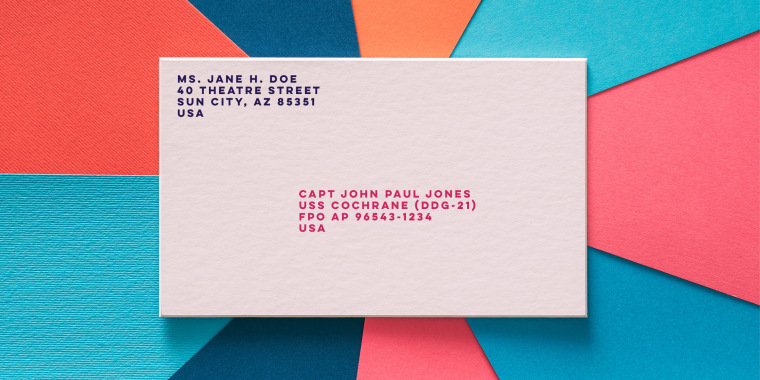
Use full names for formal mail, like invitations or business letters. For informal mail to friends or family, first names are fine. Write the address in this order: recipient name, street address, city, state, and ZIP code. Keep lines neat and straight.
Using Titles And Punctuation
Include proper titles like Mr., Mrs., Dr., or Prof. before names in formal letters. Avoid using commas after titles or between lines. Do not add periods after abbreviations like “Mr” or “Dr” to keep it clean. Use “c/o” only when sending mail through someone else.
Credit: www.today.com
Frequently Asked Questions
What Is The Correct Way To Address An Envelope?
Write the recipient’s full name and address in the center. Place your return address on the top left. Affix the stamp on the top right. Use clear handwriting and standard abbreviations for easy mail processing.
What Does “in Care Of” (c/o) Mean?
“In care of” (c/o) means sending mail to someone who will forward it to the intended recipient. It helps when you lack the recipient’s direct address or want to send mail via another person.
What Are The Common Envelope Addressing Mistakes?
Common envelope addressing mistakes include incorrect address line order, illegible handwriting, and missing return addresses. Avoid unclear writing by printing labels. Always write the street address on one line, with city, state, and ZIP on the next. Missing return addresses prevent mail returns.
How Do I Use “in Care Of” Correctly?
Use “in care of” (c/o) to send mail via a third party. Write the recipient’s name, then “c/o,” followed by the caretaker’s name and address. This ensures delivery when the recipient lacks a direct address or uses someone else’s location.
Conclusion
Addressing an envelope is simple with clear steps. Write the recipient’s full name and address in the center. Add your return address in the top left corner. Place the stamp neatly in the top right corner. Use legible handwriting or print labels for clarity.
Double-check the details to avoid delivery issues. Following these tips helps your mail reach the right place on time. Practice a few times to feel confident. Now, sending mail feels easy and stress-free.