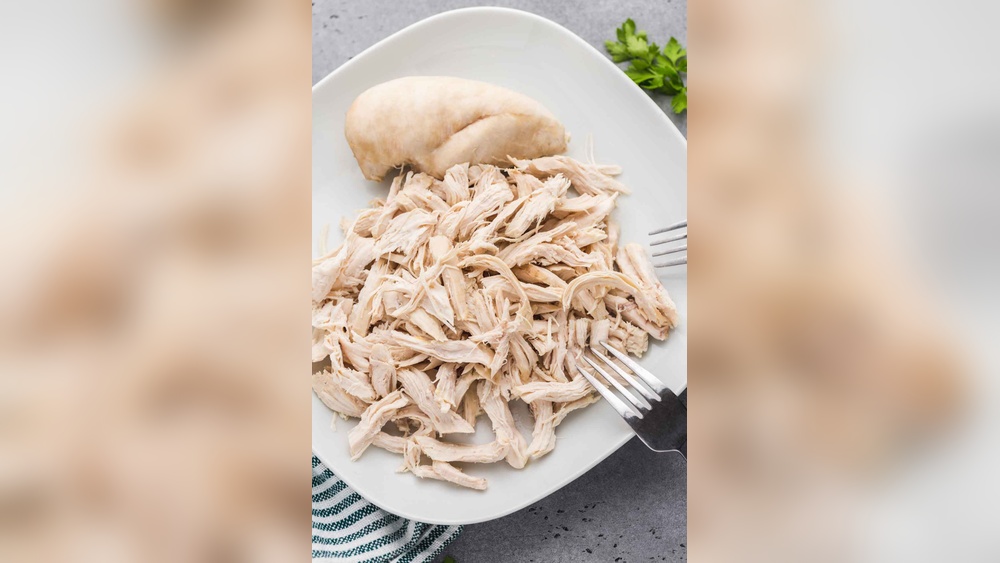
Wondering how long to boil chicken breast to get it just right? You’re not alone.
Boiling chicken might sound simple, but if you don’t time it correctly, you could end up with dry, tough meat instead of juicy, tender chicken. In this guide, you’ll learn exactly how long to boil your chicken breast and discover easy tips to keep it moist and flavorful every time.
Whether you’re meal prepping, making a salad, or cooking for your family, mastering the perfect boil time will change the way you cook chicken forever. Keep reading—you’re about to unlock the secret to perfectly boiled chicken breast!
Boiling Basics
Boiling chicken breast is a simple cooking method that many use for quick meals. Understanding the basics helps achieve tender and juicy results. Proper techniques ensure the chicken cooks evenly and stays moist. Below are key points to consider when boiling chicken breast.
Starting With Cold Water
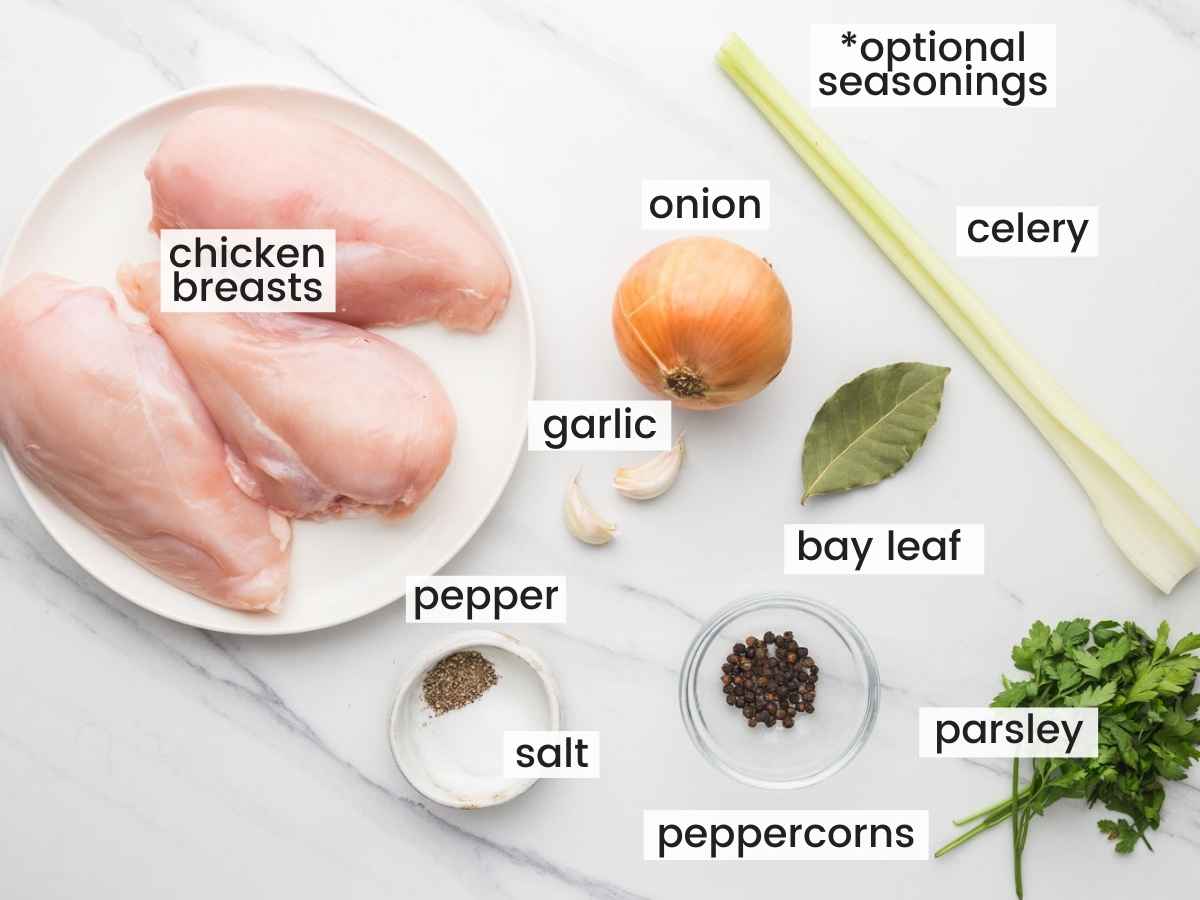
Place the chicken breast in a pot before adding water. Use cold water to start the cooking process. This allows the chicken to heat slowly. Gradual heating helps cook the meat evenly. It prevents the outside from overcooking while the inside remains raw.
Simmering Vs Boiling
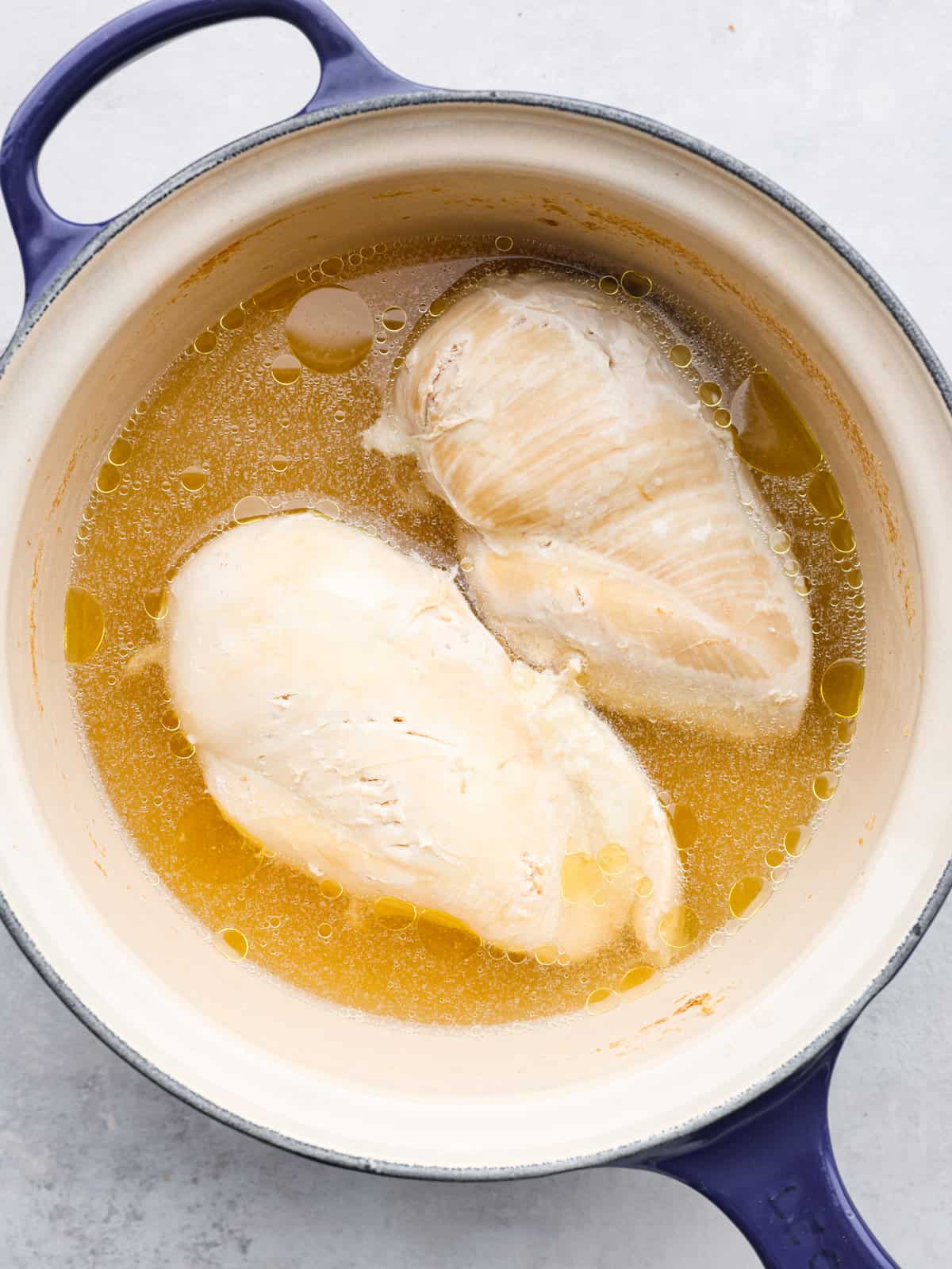
Bring the water to a gentle simmer rather than a rolling boil. Simmering means small bubbles rise slowly to the surface. Boiling creates rapid, large bubbles. High heat can make chicken tough and dry. Simmering cooks the chicken gently and keeps it tender.
Using Broth Or Water
Boil chicken in plain water or flavorful broth. Water is neutral and lets the chicken’s taste shine. Broth adds extra flavor during cooking. Choose broth for richer taste and more aromatic meat. Both options cook the chicken properly but affect the final flavor.
Credit: littlesunnykitchen.com
Timing For Juicy Chicken
Timing plays a key role in boiling chicken breast to achieve juicy results. Cook it too long, and the meat turns dry and tough. Cook it just right, and the chicken stays tender and moist. Understanding the right boiling time helps maintain the perfect texture and flavor.
Exact Boiling Duration
For standard chicken breasts, boil for 12 to 15 minutes. This range usually cooks the meat fully and keeps it juicy. Larger or thicker pieces may need a bit more time. Use a meat thermometer to check if the internal temperature reaches 165°F (75°C).
Factors Affecting Cooking Time
Several factors change how long chicken takes to boil. Freshness of the chicken affects cooking speed. Frozen chicken requires extra time to thaw and cook. Starting with cold or hot water also changes boiling duration. The size and shape of the pot can influence heat distribution.
Adjusting For Thickness
Thicker chicken breasts need longer boiling to cook through. Thin slices or cutlets cook faster and can dry out easily. Measure the thickest part of the breast and add about 2 minutes per half inch of thickness. Keep the water at a gentle simmer to avoid tough meat.
Avoiding Overcooking
Boiling chicken breast is a simple cooking method, but overcooking can ruin its texture and flavor. Avoiding overcooking keeps the meat tender and juicy. Paying attention to cooking time and heat helps maintain the best results. Let’s explore how to prevent overboiled chicken breast.
Why Overboiling Happens
- Protein Contraction: High heat makes proteins contract and tighten.
- This squeezes moisture out, leaving the chicken dry.
- False Security: Water does not stop overcooking.
- Many think boiling keeps chicken moist, but it does not.
Signs Of Overcooked Chicken
- Chicken feels very firm or rubbery to touch.
- The meat appears white and stringy inside.
- It breaks apart easily and lacks juiciness.
- Taste is bland and dry rather than tender.
Tips To Retain Moisture
- Start cooking in cold water or broth, not boiling water.
- Bring the liquid to a gentle simmer, not a rapid boil.
- Cover the pot to keep heat even and prevent drying.
- Remove chicken as soon as it reaches 165°F (74°C) inside.
- Let chicken rest before cutting to keep juices inside.
Credit: therecipecritic.com
Checking Doneness
Checking doneness is key to perfectly boiled chicken breast. Overcooked chicken becomes dry and tough. Undercooked chicken is unsafe to eat. Use simple methods to check if your chicken is fully cooked. These ways help you get juicy, tender chicken every time.
Using A Meat Thermometer
A meat thermometer gives the most accurate result. Insert it into the thickest part of the chicken breast. The safe internal temperature is 165°F (75°C). When the thermometer reads this, the chicken is done. Avoid touching the bone for a correct reading.
Visual And Touch Methods
Look at the chicken’s color inside. It should be white or very light pink, not red. Press the chicken breast gently with your finger or tongs. Cooked chicken feels firm but still springs back slightly. Soft or very jiggly meat means it needs more time.
Testing Juices
Cut the chicken breast in the thickest part. Check the juices that come out. Clear juices mean the chicken is fully cooked. Pink or red juices show it needs more boiling. This simple test helps avoid guessing.
Post-boiling Tips
Boiling chicken breast is just the first step. What you do next affects taste and texture a lot. Post-boiling tips help keep chicken juicy and flavorful. Proper handling after boiling improves your meal quality. Follow simple steps to enjoy tender chicken every time.
Resting The Chicken
Resting allows juices to redistribute inside the meat. Take chicken out of hot water and let it sit. Cover loosely with foil or a plate to keep warmth. Rest for about 5 to 10 minutes. This step makes the chicken more tender and moist. Avoid cutting chicken right away to keep juices locked in.
Shredding And Serving Ideas
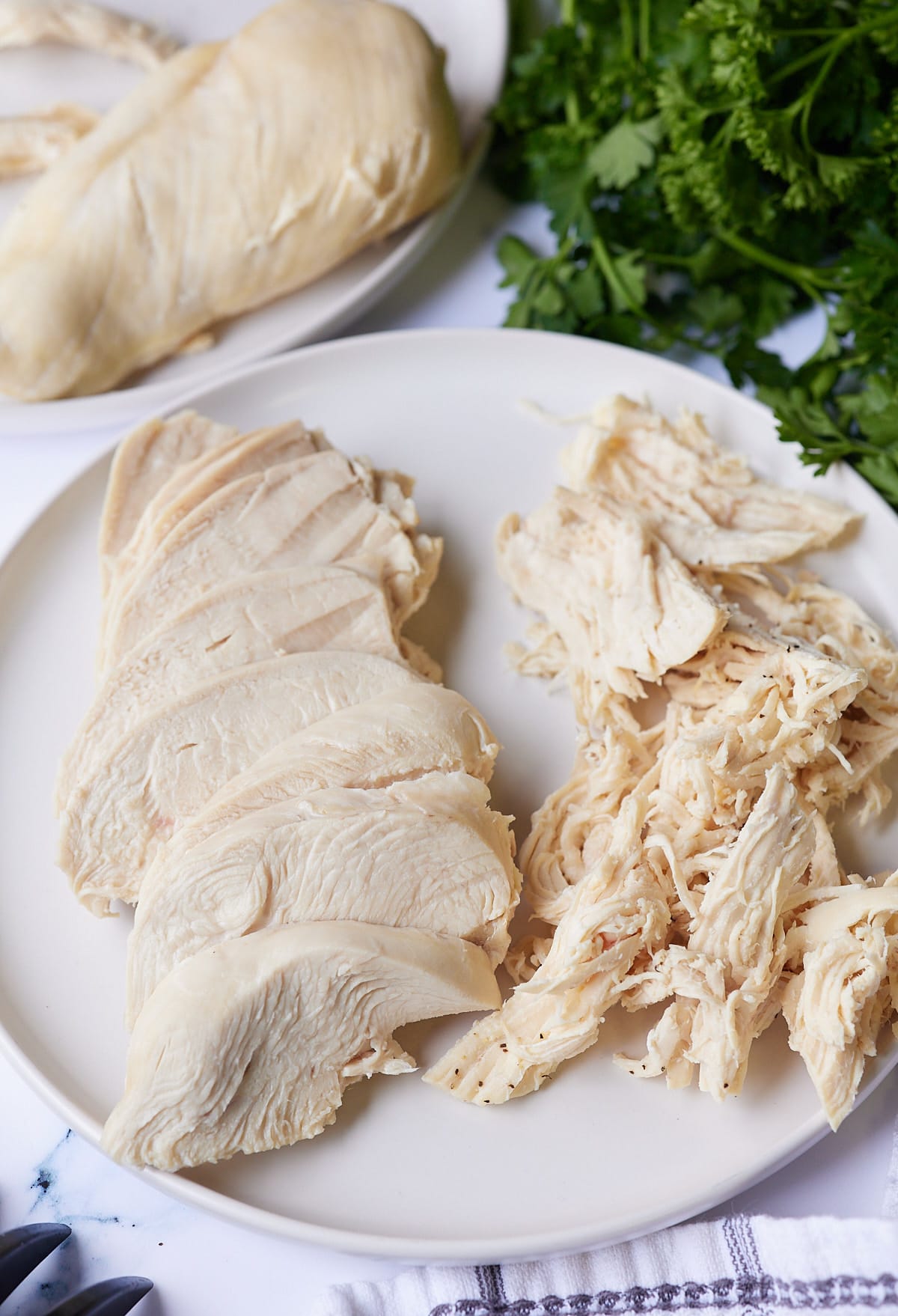
After resting, shredding chicken is easy with two forks. Shredded chicken works well in salads, tacos, or sandwiches. Use it in soups or pasta for added protein. Add your favorite sauces or spices to boost flavor. Store leftovers in an airtight container in the fridge. Shredded chicken is versatile and quick to use in many dishes.
Credit: www.myforkinglife.com
Common Mistakes
Boiling chicken breast seems simple but many make mistakes. These errors affect taste and texture. Avoiding common pitfalls helps keep chicken juicy and tender. Understanding these mistakes improves your boiling results every time.
Rapid Boiling Issues
Boiling chicken too fast causes tough meat. High heat makes proteins shrink quickly. This squeezes out moisture, leaving dry chicken. A gentle simmer is better than a rolling boil. Slow cooking keeps chicken soft and flavorful.
Misjudging Cooking Time
Cooking chicken too long makes it dry. Many guess cooking time without checking inside. Use a meat thermometer for accuracy. Chicken breast is done at 165°F (74°C). Stop cooking once it reaches this temperature.
Ignoring Chicken Size
Different chicken breasts need different boiling times. Small pieces cook faster than large ones. Thick breasts take more time to cook fully. Always adjust boiling time based on size. This prevents undercooked or overcooked chicken.
Frequently Asked Questions
How Long Should I Boil Chicken Breast?
Boil chicken breast for 12-15 minutes until fully cooked. Ensure water simmers gently to keep meat tender. Use a meat thermometer to check for 165°F inside. Avoid overboiling to prevent dryness. Cut to check no pink remains and juices run clear before serving.
Can You Overcook Chicken By Boiling It?
Yes, boiling chicken too long overcooks it. High heat tightens proteins, expelling moisture and making meat dry. To avoid this, simmer gently and time cooking precisely.
How Do I Know If My Boiled Chicken Is Done?
Insert a meat thermometer into the thickest part; it should read 165°F (74°C). Cut to check for white, opaque meat and clear juices. The chicken should feel firm with slight bounce when pressed. Avoid pink color or red juices to ensure it’s fully cooked.
What Are Common Mistakes When Boiling Chicken?
Common mistakes include boiling at high heat, overcooking, not starting with cold water, and ignoring proper timing. These cause dry, tough chicken.
Conclusion
Boiling chicken breast takes just the right time and heat. Start with cold water and bring it to a gentle simmer. Avoid a rolling boil to keep the meat juicy and tender. Check the chicken’s temperature with a meat thermometer for safety.
Cook until it reaches 165°F (74°C) inside. Overcooking can dry the chicken out quickly. Follow these simple tips for perfect boiled chicken every time. Enjoy your meal with confidence and ease!