Imagine you’re driving and suddenly hear that dreaded sound—a tire going flat. What do you do next?
You might feel stuck, unsure if you can handle the situation alone. But the truth is, changing a tire is easier than you think. With just a few simple steps and the right tools, you can get back on the road quickly and safely.
In this guide, you’ll learn exactly how to change a tire, step-by-step, so you’ll never feel helpless again. Ready to gain this essential skill? Let’s dive in and make sure you’re prepared for whatever the road throws your way.
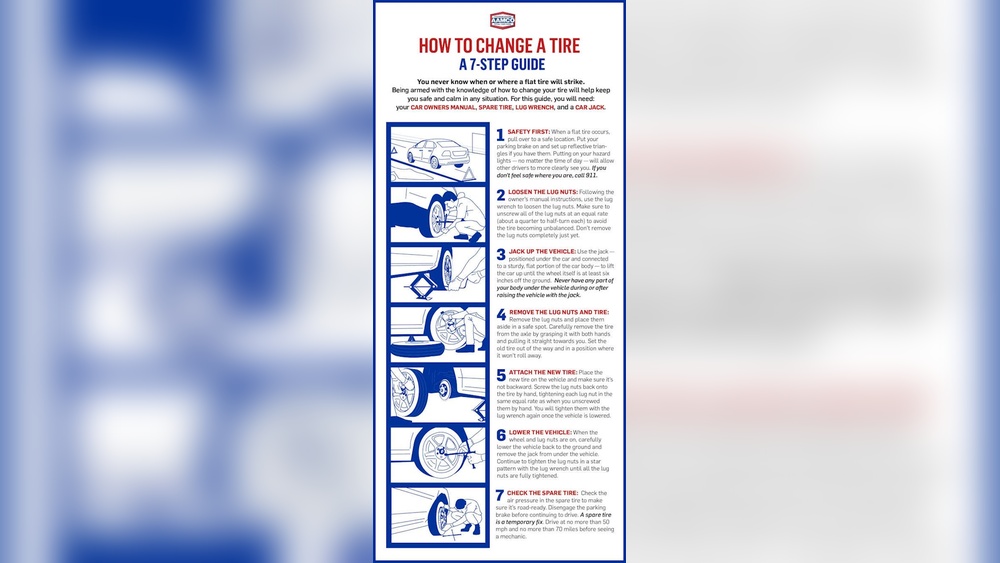
Safety First
Safety is the top priority when changing a tire. Taking simple precautions protects you and others on the road. A few easy steps can make the process much safer. Follow these safety measures before starting the tire change.
Choose A Safe Spot
Stop your vehicle in a flat, stable place. Avoid curves and hills that reduce visibility. Stay away from busy roads and traffic. A quiet parking lot or wide shoulder works well. Safety begins with the right location.
Activate Hazard Lights
Turn on your hazard lights immediately. This warns other drivers that you have a problem. Flashing lights alert approaching cars to slow down. Keep your lights on until the tire change is complete.
Set Parking Brake
Engage the parking brake firmly. This stops your vehicle from rolling. Even on flat ground, the brake adds extra security. Double-check that the brake is fully set before you start.
Use Wheel Chocks
Place wheel chocks on the tires opposite the flat one. Chocks prevent the car from moving sideways or backward. Use sturdy blocks or rocks if you have no chocks. This simple step keeps your car steady during the change.
Gather Tools
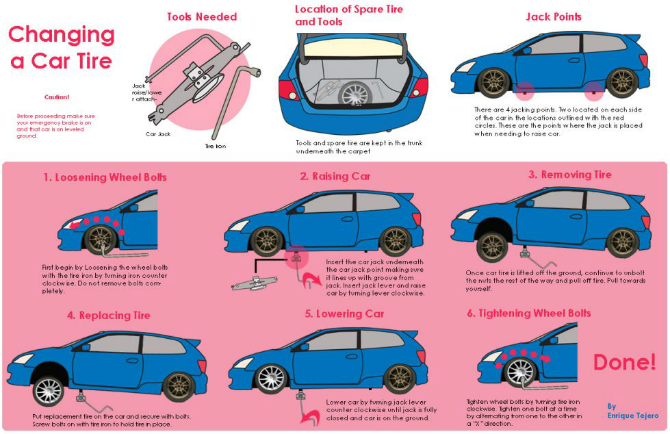
Before starting to change a tire, gather all necessary tools. Having the right equipment makes the process safer and faster. Keep these tools in your car for emergencies. Knowing where each tool is helps when time is short.
Spare Tire
The spare tire replaces the flat one. Check its condition regularly. Make sure it is fully inflated and ready to use. Some cars have a full-size spare; others have a smaller, temporary one. Always know which type your car has.
Jack
The jack lifts your car off the ground. This tool is essential for removing the flat tire. Learn how to place the jack correctly under your car. Using the jack on the wrong spot can damage your vehicle. Practice using it before an emergency.
Lug Wrench
The lug wrench loosens and tightens lug nuts on the wheel. It fits over the nuts to provide leverage. Some lug wrenches have a socket and a handle; others are a cross shape. Make sure the wrench fits your car’s lug nuts perfectly.
Prepare The Tire
Preparing the tire is the first step to changing it safely and quickly. Proper preparation makes the process smoother. It prevents damage and keeps you safe on the road.
Start by getting the tire ready before lifting the car. This involves removing the hubcap and loosening the lug nuts. Both tasks require the right tools and careful handling.
Remove Hubcap
Check if your tire has a hubcap covering the lug nuts. Use a flat tool or the edge of the lug wrench to pry it off gently. Removing the hubcap gives you access to the lug nuts. Keep the hubcap in a safe place to avoid losing it during the process.
Loosen Lug Nuts
Use the lug wrench to turn each lug nut counterclockwise. Loosen them slightly while the car is still on the ground. Do not remove the nuts yet; just break their tight hold. This step is easier with the car stable and prevents the wheel from spinning as you loosen the nuts.
Credit: www.convoyautorepair.com
Lift The Vehicle
Lifting the vehicle is a crucial step in changing a tire. It raises the car off the ground, allowing you to remove the flat tire safely. Use the right tools and follow the steps carefully for a smooth process.
Position The Jack
Place the jack under the vehicle’s frame near the flat tire. Look for a solid metal part or a notch designed for the jack. Avoid soft areas or plastic parts, as they can break or slip. Make sure the jack is stable and straight before lifting.
Raise The Car
Slowly turn the jack handle to lift the car. Raise it until the flat tire is about six inches off the ground. Check that the car is steady and the jack is secure. Never go under the car while it is lifted by the jack alone.
Remove Flat Tire
Removing the flat tire is a critical step in changing a tire. It requires care and the right technique. Follow these steps to safely take off the damaged tire and prepare for the spare.
Unscrew Lug Nuts
Start by loosening the lug nuts on the flat tire. Use a lug wrench and turn each nut counterclockwise. Do this while the car is still on the ground to keep the wheel from spinning. Loosen them just enough so you can remove them later by hand. Avoid removing the nuts completely at this stage.
Take Off Flat Tire
After loosening the lug nuts, use a jack to lift the car until the flat tire is off the ground. Now remove the lug nuts completely with your hands. Keep them in a safe place to avoid losing them. Carefully pull the flat tire straight off the wheel hub. Set it aside, ready for replacement.
Install Spare Tire
Installing the spare tire is the key step after removing the flat one. This task requires precision to ensure safety and a smooth ride. Properly placing the spare tire helps avoid damage and keeps the car balanced. Follow these simple steps carefully to install the spare tire correctly.
Align Spare Tire
Hold the spare tire close to the wheel hub. Line up the holes on the tire with the car’s lug bolts. Make sure the tire sits flush against the hub. Avoid forcing the tire, as it should fit easily when aligned. Proper alignment prevents wobbling and uneven wear.
Hand-tighten Lug Nuts
Start threading the lug nuts by hand onto the bolts. Turn each nut clockwise until snug but not tight. Use a star or crisscross pattern to keep pressure even. Hand-tightening ensures the nuts stay in place before fully tightening. This step makes the final tightening safer and more effective.
Secure The Tire
Securing the tire correctly is a key step after mounting the spare wheel. This ensures the tire stays firmly in place and your safety on the road. Follow these steps carefully to secure the tire with confidence and ease.
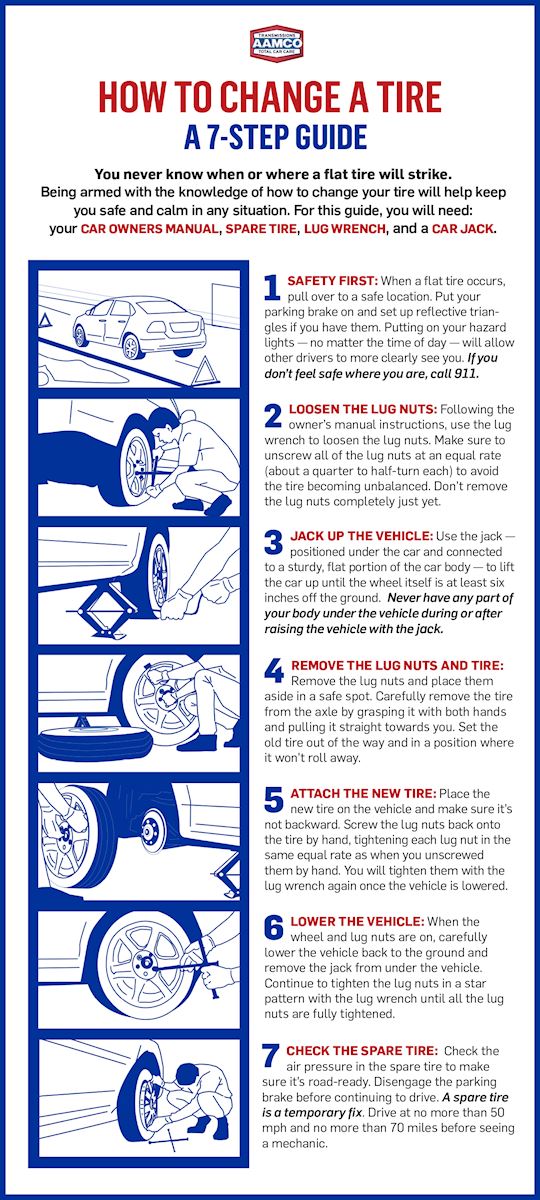
Lower Car Partially
Use the jack to lower the car slowly. Bring the tire just close enough to touch the ground. This creates enough friction to keep the wheel from spinning. Avoid lowering the car fully at this point.
Tighten Lug Nuts Fully
Use a lug wrench to tighten the lug nuts in a star pattern. This helps distribute pressure evenly on the wheel. Tighten each nut firmly but do not force them excessively. Proper tightening prevents the wheel from wobbling.
Lower Car Completely
Lower the car fully to the ground using the jack. Remove the jack once the car rests on the tire. Double-check the lug nuts for tightness. This final step secures the tire and prepares you to drive safely.
Credit: www.aamcoblog.com
Clean Up
After successfully changing your tire, the clean-up process is important. It ensures your safety and keeps your car organized. Taking time to put everything back properly makes future tire changes easier and faster.
Follow these steps to finish the job right.
Remove Jack
Lower the jack slowly until the car rests on the ground. Turn the jack handle in the opposite direction used to lift. Remove the jack carefully and store it in its place. Avoid leaving the jack under the car. This prevents damage and keeps you safe.
Store Flat Tire And Tools
Place the flat tire in your trunk or spare tire compartment. Make sure it is secure to avoid movement during driving. Gather all tools like the lug wrench and jack handle. Store them back in their original spots. Keeping tools organized helps in emergencies. Check that nothing is left on the road or roadside. A clean area reduces hazards for other drivers and pedestrians.
Final Checks
After changing your tire, performing final checks ensures safety and readiness for the road. Taking a moment to inspect the tire and your vehicle helps avoid further issues. These checks are simple but crucial before driving away.
Check Tire Pressure
Use a tire pressure gauge to measure the spare tire’s pressure. The correct pressure is often on the driver’s door frame or in the owner’s manual. Proper pressure improves handling and prevents tire damage. Inflate the tire to the recommended level if it feels low. Avoid driving on an underinflated tire to reduce risks.
Drive Carefully To Repair Shop
Spare tires are usually temporary and not designed for long distances or high speeds. Drive slowly and avoid sudden stops or sharp turns. Keep a safe distance from other vehicles. Head directly to a repair shop to fix or replace the damaged tire. Careful driving protects you and your vehicle until professional help is reached.
Credit: www.reddit.com
Frequently Asked Questions
How To Change A Tire Step By Step?
Find a safe, flat spot and apply wheel chocks. Loosen lug nuts slightly. Jack up the car. Remove lug nuts and flat tire. Mount spare tire. Hand-tighten lug nuts in a star pattern. Lower car partially, then fully tighten lug nuts securely in the star pattern.
What Is The 3% Tire Rule?
The 3% tire rule means your spare tire’s diameter should be within 3% of the original tire’s size. This ensures safe handling and proper speedometer readings.
What’s The Safest Way To Change A Tire?
Find a flat, safe spot and apply the parking brake. Loosen lug nuts slightly. Use a jack to lift the car. Remove lug nuts and tire. Mount the spare tire. Hand-tighten lug nuts in a star pattern. Lower car partially, then fully tighten nuts securely in a star pattern.
Can You Change Your Tires Yourself?
Yes, you can change your tires yourself by following safety steps and using proper tools like a jack and lug wrench.
Conclusion
Changing a tire may seem hard, but it is simple with practice. Always stay safe by parking on level ground and using hazard lights. Keep your tools ready, and follow each step carefully. Remember to tighten lug nuts in a star pattern for security.
Knowing how to change a tire helps you stay prepared on the road. Practice this skill so you feel confident if a flat tire happens. Stay calm, take your time, and you will get the job done right.