There’s nothing more frustrating than a clogged toilet when you need it most. If you’re staring at a bowl that won’t flush and water rising too high, you want a quick fix that really works.
The good news? You don’t have to call a plumber right away or panic. With a few simple tools and tricks, you can clear that clog fast and get your bathroom back to normal. In this guide, you’ll learn easy, step-by-step ways to unclog your toilet—whether you have a plunger handy or not.
Ready to take control and solve the problem yourself? Let’s get started.

Credit: www.timrauschplumbing.com
Tools You’ll Need
Unclogging a toilet requires specific tools to make the job easier and faster. Having the right tools on hand saves time and prevents extra mess. These tools help you apply the right pressure and reach the blockage effectively.
Some tools are common household items, while others are designed for plumbing tasks. Preparing these tools before you start can reduce stress and improve your results.
Plunger
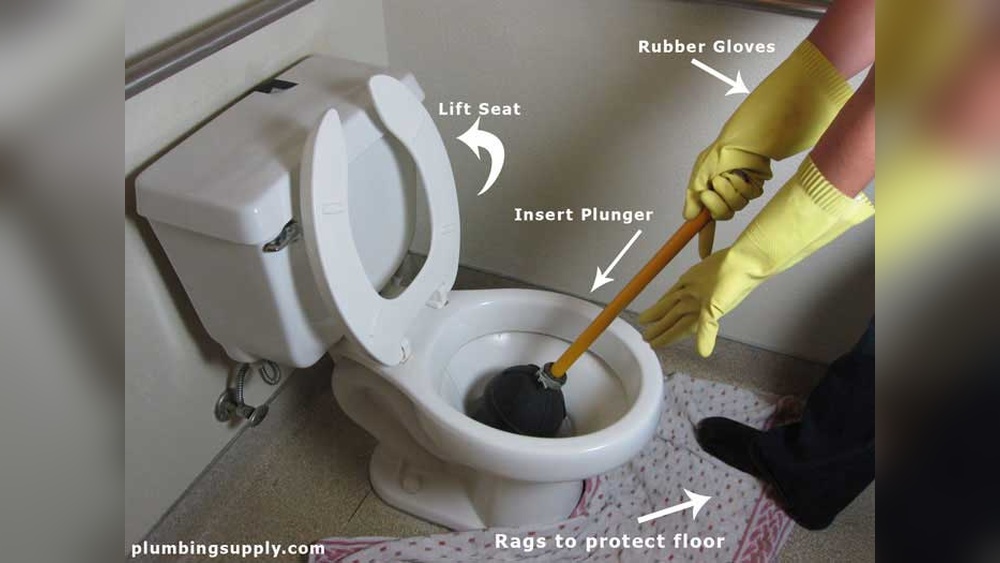
A plunger is the most basic and essential tool for unclogging. It uses suction and pressure to push the clog through the pipes. Choose a flange plunger, designed specifically for toilets, for the best seal.
Toilet Auger (plumbing Snake)
A toilet auger is a long, flexible tool that reaches deep into the drain. It breaks up or pulls out tough clogs that a plunger cannot handle. This tool is useful for stubborn blockages.
Rubber Gloves
Rubber gloves protect your hands from germs and dirty water. Choose gloves that are long enough to cover your wrists. They keep the process hygienic and comfortable.
Bucket
A bucket helps control water levels in the toilet bowl. It is useful for adding or removing water during the unclogging process. This prevents overflow and mess.
Dish Soap
Dish soap acts as a lubricant to help loosen greasy clogs. Pour some into the bowl and let it sit before plunging. It can make clogs easier to clear.
Using A Plunger
Using a plunger is the simplest way to clear a clogged toilet fast. It works by creating pressure to push the blockage through the pipes. A good plunger helps you avoid messy spills and costly plumber visits. Follow a few key steps to get the best results and unclog your toilet safely.
Creating A Proper Seal
Start by choosing a flange plunger. It fits better in toilet drains. Make sure the toilet bowl has enough water to cover the plunger cup. Place the plunger into the drain hole carefully. Press down gently to form a tight seal. The seal keeps air pressure inside. This pressure helps to push the clog out.
Plunging Technique
Use slow, steady pushes at first. Avoid quick or hard thrusts that may splash water. After a few pushes, increase the force. Push and pull the plunger without breaking the seal. Repeat this motion 15 to 20 times. The suction loosens the clog bit by bit. Stay patient and keep the seal intact.
When To Flush
Once the water starts to drain smoothly, remove the plunger slowly. Wait a moment to see if the water level drops. If the bowl empties quickly, flush the toilet gently. Watch to ensure it flushes fully without backing up. If it still clogs, repeat the plunging steps. Avoid flushing multiple times in a row to prevent overflow.
Without A Plunger
Unclogging a toilet without a plunger may seem hard. Simple household items can help clear the blockage. Acting fast can prevent overflow and damage. Two easy methods use dish soap and patience to fix the problem.
Dish Soap And Hot Water Method
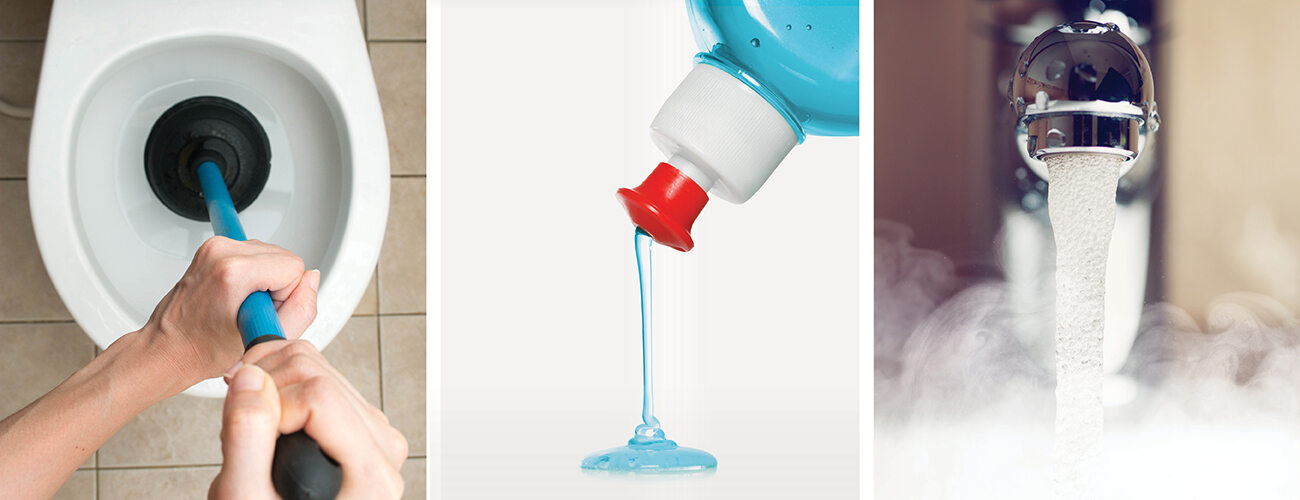
Start by pouring about half a cup of dish soap into the toilet bowl. The soap helps to break down the clog and lubricates the pipes. Wait for 10 to 15 minutes to let the soap settle and work on the blockage.
Next, heat a gallon of water until it is hot but not boiling. Boiling water can crack the porcelain. Carefully pour the hot water into the bowl from waist height. This adds pressure to push the clog through the drain.
Let the mixture sit for 10 more minutes. The soap and hot water should soften and move the clog. Try flushing the toilet gently to see if the water drains normally. Repeat if needed.
Waiting And Repeating Steps
Patience is key when clearing a clogged toilet without a plunger. Sometimes the clog loosens slowly. Wait 20 to 30 minutes after the first attempt before trying again.
Repeat the dish soap and hot water steps up to three times. Avoid flushing too often to prevent overflow. Each time, the clog may move closer to clearing.
If these steps do not work, consider using a plumbing snake or calling a professional. Regular maintenance can help avoid future clogs.
:max_bytes(150000):strip_icc()/unclogging-a-toilet-with-a-plunger-2719030_final_horizontal_10_18-d33deec2a8084e289a5427c6745a0d32.png)
Credit: www.thespruce.com
Other Solutions
Sometimes, a plunger might not be enough to clear a clogged toilet. Other solutions can help remove the blockage safely. These methods use common household items or simple tools to fix the problem without calling a plumber. Try these options to get your toilet working again quickly and easily.
Baking Soda And Vinegar
Pour one cup of baking soda into the toilet bowl. Then, add two cups of vinegar slowly. The mixture will fizz and bubble. Let it sit for 30 minutes. After that, flush the toilet with hot water. This natural reaction helps break down clogs.
Using A Toilet Auger
A toilet auger is a special tool for clearing tough clogs. Insert the auger cable into the toilet drain. Turn the handle clockwise to push through the blockage. Pull the auger out carefully. Flush the toilet to check if water flows freely.
Bucket Flush Technique
Fill a large bucket with water. Lift the toilet seat and pour water quickly into the bowl. The force of water helps push the clog down. Repeat if needed. This method works well if the water level is low or the plunger is missing.
Preventing Overflow
Preventing overflow is key when dealing with a clogged toilet. Overflow can cause water damage and create a big mess. Taking simple steps can stop the water from rising too high. These tips help protect your bathroom and save time.
Avoid Repeated Flushing
Flushing many times can fill the bowl quickly. The water level rises and may spill over. Wait a few minutes after the first flush. This gives the water time to go down. Repeated flushing makes the clog worse. Use a plunger instead to clear the blockage.
Managing Water Levels
Check the water level in the toilet bowl before flushing. Too much water makes overflow more likely. If the bowl is already full, do not flush. Remove some water with a small container or cup. Keep the water level at the normal mark. This helps prevent spills during plunging or unclogging.
Credit: www.toiletseats.com
Frequently Asked Questions
What Is The Easiest Way To Unclog A Toilet?
Use a plunger to create suction and push the clog through the drain. If no plunger, pour dish soap, then hot water to lubricate and clear the blockage. Repeat if needed. For tough clogs, try a toilet auger or baking soda and vinegar.
Why Won’t My Toilet Unclog With A Plunger?
Your plunger may fail if it lacks a proper seal or if the clog is too deep or solid. Use enough water to cover the plunger cup and try a toilet auger for stubborn blockages. Avoid repeated flushing to prevent overflow.
What Can You Pour Down A Toilet To Unblock It?
Pour hot water and dish soap into the toilet bowl to lubricate and loosen clogs. Baking soda and vinegar also help clear blockages. Use a toilet auger for stubborn clogs. Avoid flushing repeatedly to prevent overflow.
What Not To Do When Unclogging A Toilet?
Avoid flushing repeatedly; it worsens overflow. Don’t use harsh chemicals; they damage pipes. Skip excessive force that cracks porcelain. Avoid using inappropriate tools like wire hangers. Never ignore persistent clogs; call a plumber if needed.
Conclusion
Unclogging a toilet can be simple with the right steps. Use a plunger to create strong suction and pressure. Dish soap and hot water help loosen minor blockages without tools. Avoid flushing repeatedly to prevent overflow. For tough clogs, a toilet auger works well.
Stay calm and follow these easy methods. Keeping your toilet clear saves time and stress. Now you can handle clogs quickly and confidently at home.