If you’ve ever cooked with a cast iron skillet, you know there’s nothing quite like the way it heats evenly and locks in flavor. But to get the best out of your skillet, you need to season it properly.
Seasoning is what creates that natural, non-stick surface and protects your pan from rust. It might sound tricky, but with the right steps, you can do it easily at home—and keep your skillet performing like new for years. You’ll learn exactly how to season a cast iron skillet, avoid common mistakes, and maintain it so every meal you cook turns out perfect.
Ready to make your cast iron skillet your kitchen’s best friend? Let’s get started!
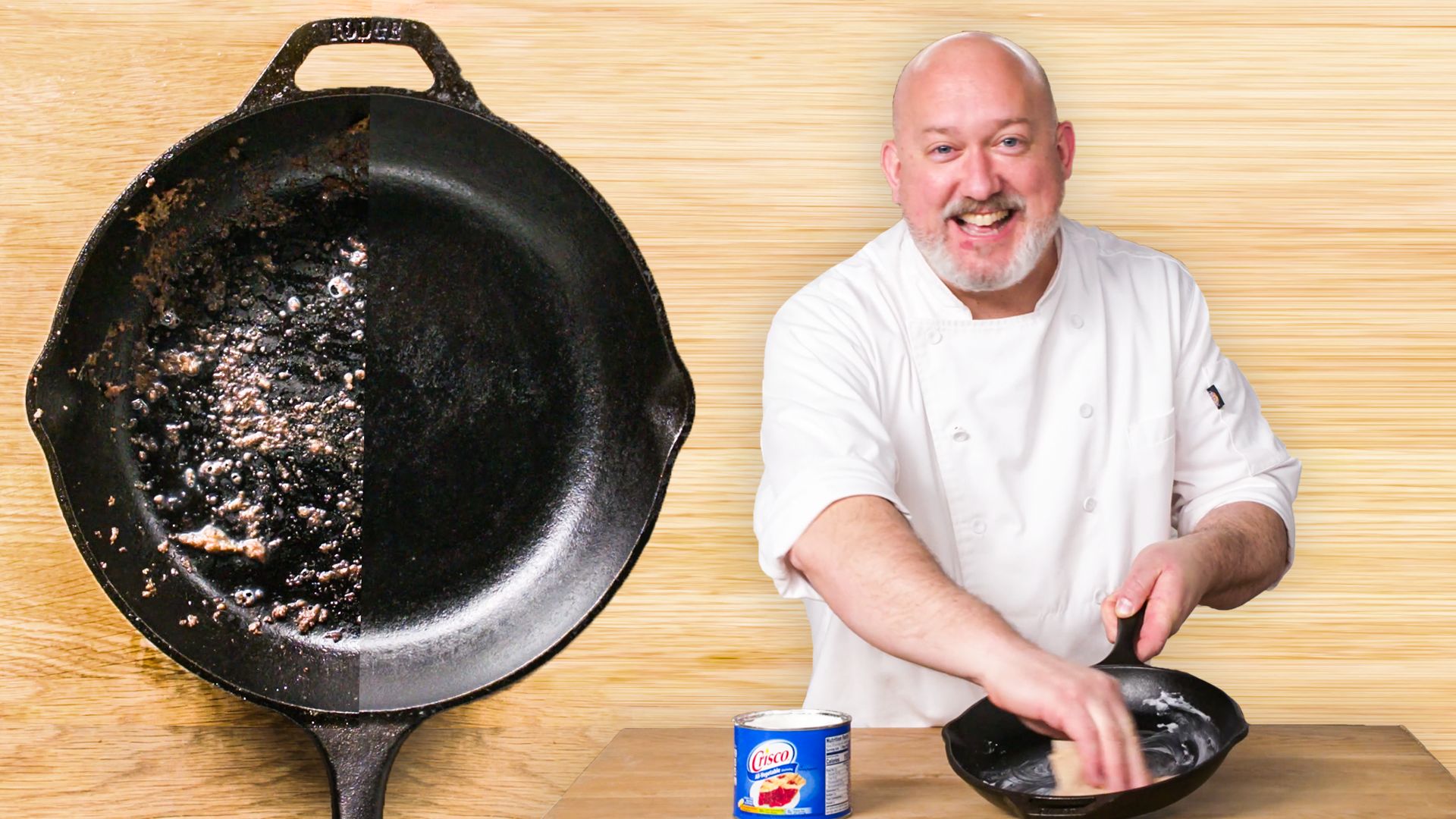
Credit: www.epicurious.com
Why Season Cast Iron
Seasoning a cast iron skillet is essential for its care and performance. It creates a natural coating on the surface. This coating protects the pan and improves cooking results. Understanding why to season cast iron helps you get the best from your skillet.
Without seasoning, the skillet can rust and food sticks easily. A well-seasoned pan becomes more non-stick over time. This means less oil is needed for cooking. The seasoning also adds flavor and helps the pan last for years.
Benefits Of Seasoning
Seasoning forms a strong, protective layer on cast iron. It prevents rust by sealing the metal from moisture. This layer stops food from sticking during cooking. It makes cleaning the pan easier and faster. Seasoning also enhances the pan’s heat distribution. This means food cooks more evenly. Over time, the skillet becomes smoother and more durable.
Common Problems Without Seasoning
Without seasoning, cast iron rusts quickly. Rust damages the pan and weakens its surface. Food tends to stick, making cooking frustrating. Cleaning becomes harder and can remove more metal. The skillet may develop uneven spots and lose heat well. It also can give food a metallic taste. These issues shorten the pan’s life and reduce its performance.
Preparing The Skillet
Preparing your cast iron skillet is the first step to great seasoning. It ensures the oil bonds well to the surface. Cleaning and removing any rust or residue helps the skillet develop a smooth, non-stick coating. Proper preparation sets the stage for a long-lasting, well-seasoned pan.
Cleaning New Or Old Skillets
Start by washing your skillet with warm, soapy water. Use a scrub brush or sponge to remove any dust or factory residue. For old skillets, clean off old seasoning and food bits. Rinse thoroughly to remove soap. Dry the skillet completely with a towel. Then, heat it on the stove for a few minutes to evaporate any leftover moisture.
Removing Rust And Residue
Rust can stop your skillet from seasoning properly. Use steel wool or a scrub pad to scrub away rust spots. Work until the surface looks smooth and clean. Rinse the pan well to wash off any rust particles. Dry it fully by warming it on low heat. Removing residue and rust creates a clean surface for the oil to stick to during seasoning.
Choosing The Right Oil
Choosing the right oil is key to seasoning a cast iron skillet properly. The oil creates a protective layer that prevents rust and builds a natural non-stick surface. Oils vary in smoke point and drying properties. These factors affect how well the oil bonds to the pan.
Some oils work better than others for seasoning. The goal is to find one that forms a hard, smooth coating without sticky residue. Using the wrong oil can leave your skillet sticky or unevenly coated. This section explains the best oils to use and how to avoid common problems.
Best Oils For Seasoning
Flaxseed oil is popular due to its high drying ability. It creates a strong, durable coating. Grapeseed oil also works well because of its high smoke point. Canola and vegetable oils are affordable and easy to find. They produce good results with proper application.
Avocado oil has a very high smoke point. It is excellent for seasoning at higher oven temperatures. Avoid butter or olive oil, as they have low smoke points and can leave a sticky finish. Choose oils that dry and harden when heated.
Avoiding Sticky Residue
Use a thin layer of oil to coat the skillet. Excess oil causes sticky patches after baking. Wipe the pan with a paper towel until it looks dry and not shiny. Bake the skillet upside down to let extra oil drip off.
Heat the skillet at the right temperature to polymerize the oil. Too low heat means the oil won’t harden properly. After seasoning, cool the pan slowly. Sticky residue means oil buildup. Remove it by scrubbing and reseasoning with less oil.
Seasoning Process
Seasoning a cast iron skillet creates a strong, non-stick surface. It protects the pan from rust and improves cooking results. The seasoning process involves coating the skillet with oil and heating it. This helps the oil bond to the metal and form a hard layer. Follow these simple steps to season your skillet properly.
Applying A Thin Oil Layer
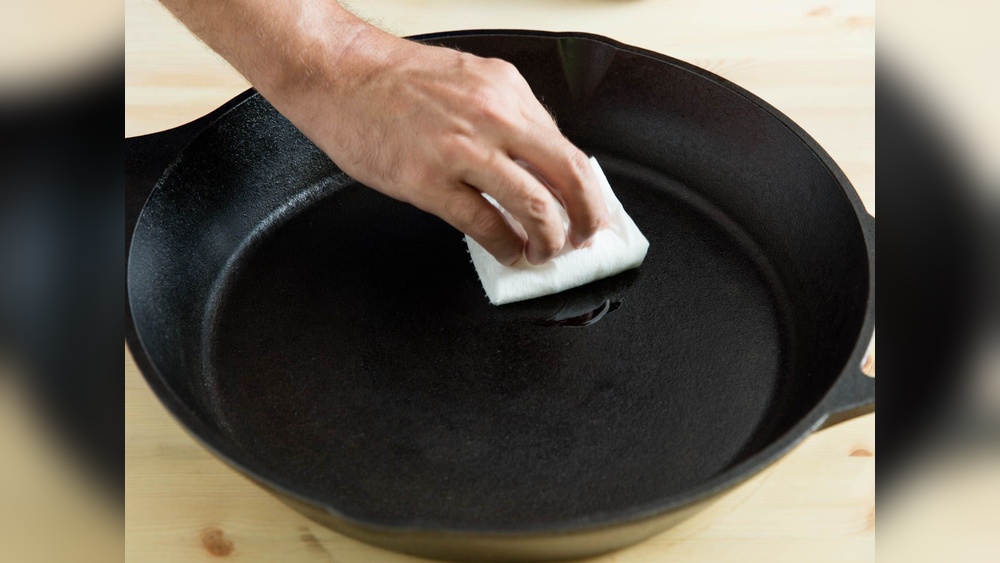
Start with a clean, dry skillet. Pour a small amount of oil onto the surface. Use a cloth or paper towel to spread the oil evenly. Make sure the layer is very thin. Too much oil causes sticky spots and uneven seasoning. Wipe off all excess oil until the pan looks dry.
Heating In The Oven
Preheat your oven to 450°F (232°C). Place the skillet inside to heat the oil. The high temperature helps the oil bond to the iron. Leave the skillet in the oven for one hour. This step creates a durable seasoning layer. After heating, turn off the oven and let the skillet cool inside.
Upside Down Baking Technique
Place the skillet upside down on the oven rack. Put a foil-lined baking sheet on the rack below. This catches any oil drips during baking. Baking upside down prevents pooling of oil on the cooking surface. It ensures an even, smooth seasoning coat. This technique helps build a strong, non-stick finish.
Tips For Success
Seasoning a cast iron skillet needs care and attention. Small details affect how well the seasoning holds. Follow these tips for the best results. They help build a strong, smooth layer that lasts long.
Each tip focuses on key steps. Use them to avoid common problems. They make the process simple and effective.
Using Less Oil
Apply only a thin layer of oil to the pan. Too much oil leaves a sticky surface. It can peel or become gummy. A thin coat dries faster and bonds better. Use a paper towel to spread the oil evenly. Wipe off any excess before heating.
Maintaining High Heat
Heat the pan at a high temperature in the oven. High heat helps the oil change into a hard, protective layer. The process is called polymerization. Set your oven to at least 400°F (204°C). Bake the pan upside down to avoid pooling oil. This creates an even seasoning coat.
Avoiding Common Mistakes
Do not skip cleaning before seasoning. Dirt or rust stops the oil from bonding well. Avoid using too much oil or low heat. Both cause a sticky or uneven layer. Never use soap after seasoning. It can strip the protective layer. Instead, clean with hot water and dry well. Reapply oil after each use to keep the surface smooth.
Maintaining Seasoning
Maintaining the seasoning on your cast iron skillet keeps it non-stick and rust-free. Proper care after each use builds a strong, lasting seasoning layer. Small habits protect the skillet’s surface and improve cooking performance over time.
Cleaning After Each Use
Clean the skillet while it is still warm but not hot. Use hot water and a soft brush or sponge. Avoid soap or harsh detergents that strip the seasoning. For stuck-on food, scrub gently with coarse salt. Rinse and dry the skillet completely to prevent rust.
Reapplying Oil
After drying, apply a thin layer of cooking oil. Use a paper towel to spread the oil evenly over the entire surface. Heat the skillet on low for a few minutes to help the oil bond. This step keeps the seasoning smooth and protects the iron.
Storage Recommendations
Store your skillet in a dry place to avoid moisture buildup. Place a paper towel inside to absorb any humidity. Avoid stacking other cookware on top to protect the seasoning. Proper storage helps the skillet stay ready for your next meal.
Restoring Old Cast Iron
Restoring old cast iron skillets brings them back to life. Many vintage pans have rust, old food, and damaged seasoning. Proper restoration cleans and prepares the skillet for a fresh, durable coating. This process ensures your cast iron cooks evenly and lasts for generations.
Stripping Old Seasoning
Begin by removing old seasoning and rust. Use steel wool or a scrub brush with warm, soapy water. Scrub until the surface looks bare and smooth. For heavy rust, soak the skillet in a vinegar and water mix for one hour. Rinse thoroughly and dry immediately to stop rust from forming.
Re-seasoning Steps
Start with a clean, dry skillet. Apply a thin layer of cooking oil, like vegetable or flaxseed oil, all over the pan. Use a cloth or paper towel to spread the oil evenly. Make sure there is no excess oil left on the surface.
Place the skillet upside down in an oven preheated to 450°F (230°C). Put a baking sheet or foil on the lower rack to catch drips. Bake for one hour to allow the oil to bond with the iron. Turn off the oven and let the skillet cool inside slowly.
Repeat the oiling and baking process two to three times. This builds a strong, smooth, and non-stick surface. Your cast iron skillet is now ready to cook with and enjoy for many meals.
:max_bytes(150000):strip_icc()/How-to-Season-Cast-Iron-Skillet-3x2-1-bcd280f1703e47e0a59bb62e86a0d53a.png)
Credit: www.allrecipes.com
Troubleshooting
Troubleshooting is a key part of seasoning a cast iron skillet. Sometimes, the process does not go as planned. Problems like sticky surfaces, rust, or uneven seasoning can occur. Knowing how to fix these issues helps keep your skillet in great shape. Below are common problems and easy solutions.
Sticky Or Gummy Surface
A sticky or gummy surface means too much oil was used. The oil did not fully bake into the pan. To fix this, scrub the pan with hot water and a brush or steel wool. Dry it well. Then, apply a very thin layer of oil. Bake it at a high temperature (around 450°F) for one hour. Let it cool in the oven. Repeat if needed until the surface is smooth and dry.
Rust Prevention
Rust can form if the skillet is not dried properly or stored in a damp place. After washing, dry the pan on the stove over low heat. Apply a thin coat of oil while the pan is warm. Store it in a dry area. Avoid leaving water or food on the pan for long. If rust appears, scrub it off with steel wool. Then, re-season the skillet to protect the surface.
Uneven Seasoning
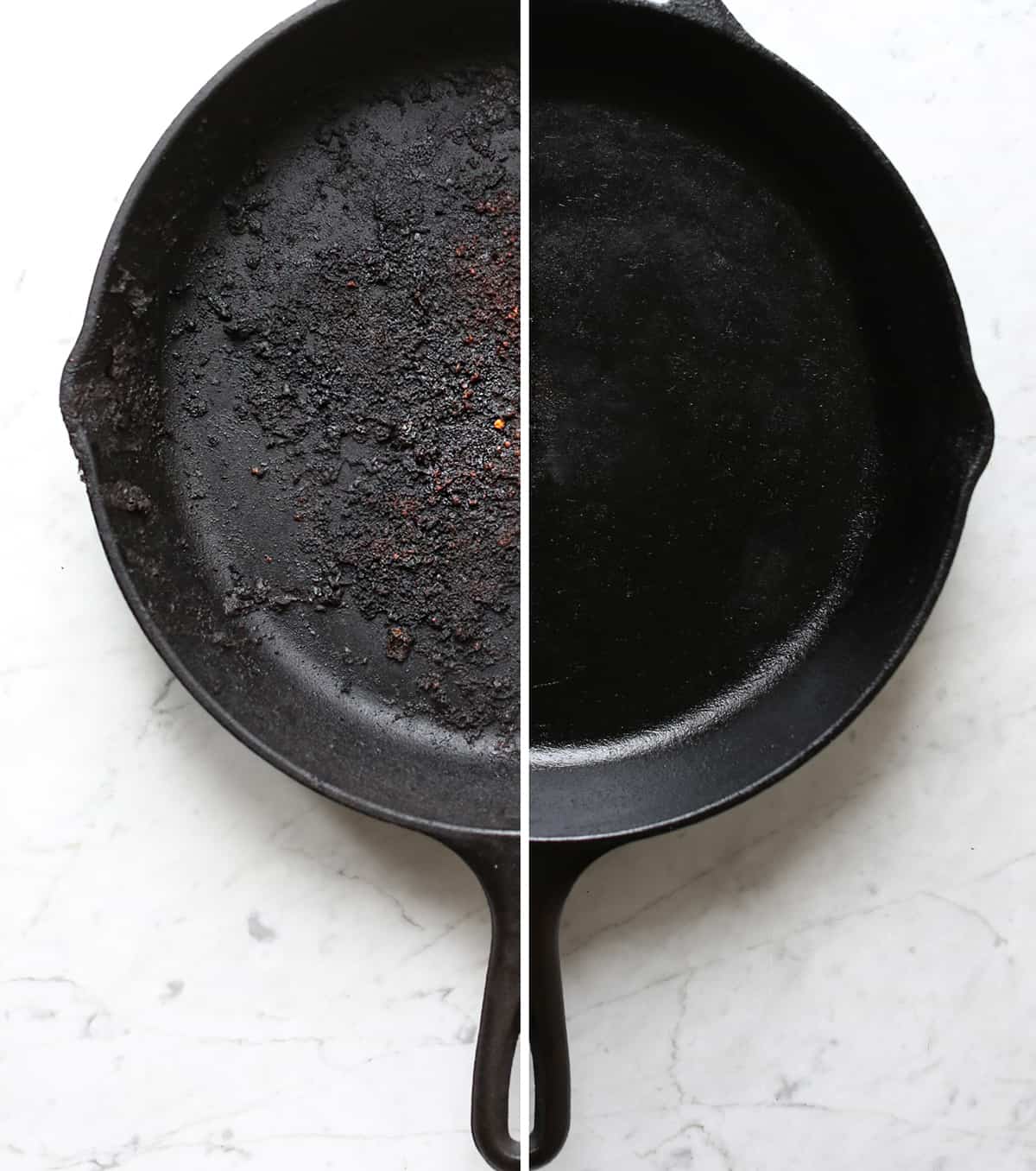
Uneven seasoning happens if the oil is not spread evenly or the pan is not heated well. Use a clean cloth or paper towel to spread a very thin layer of oil over the entire surface. Remove all excess oil to avoid sticky spots. Bake the skillet upside down in the oven with a tray underneath to catch drips. Heat it at a high temperature for one hour. This helps the oil bond evenly to the pan.
Credit: abeautifulmess.com
Frequently Asked Questions
What Is The Best Way To Season A Cast Iron Pan?
Clean the pan thoroughly, dry completely, apply a thin layer of oil, then bake upside down at 450°F for one hour. Let cool in the oven.
Should I Season Cast Iron At 350 Or 450?
Season cast iron at 450°F for optimal oil polymerization. Higher heat creates a durable, non-stick seasoning layer. Avoid 350°F as it may not bond oil properly.
What Is The Best Oil To Season My Cast Iron Pan With?
The best oil to season a cast iron pan is flaxseed, grapeseed, or vegetable oil. These oils polymerize well, creating a durable, non-stick surface.
How To Tell If Cast Iron Is Seasoned?
A seasoned cast iron pan has a smooth, dark, and slightly shiny surface. Food releases easily without sticking. It feels dry, not greasy.
Conclusion
Seasoning a cast iron skillet takes only a few simple steps. Clean the pan well and dry it completely before applying a thin layer of oil. Bake it at a high temperature to create a strong, non-stick surface. Regular care helps maintain the skillet’s seasoning and improves cooking results.
With practice, your cast iron will last for many years. Enjoy cooking with your well-seasoned skillet every day!