Bringing a new puppy into your life is exciting, but potty training can quickly become a challenge. If you want to avoid frustration and endless messes, you need a clear, simple plan that actually works.
Imagine having your puppy reliably going outside, making your home clean and stress-free. You’re about to discover straightforward steps that anyone can follow—no confusion, no guesswork. Ready to turn potty training into a smooth, successful experience? Keep reading and learn how to guide your puppy with confidence and ease.
Credit: www.akc.org
Set A Feeding Schedule
Choosing the right potty spot is a key step in potty training your puppy. A designated area helps your puppy learn where to go. It also makes cleaning easier for you. Consistency in the potty spot reduces confusion for your puppy. This builds good habits quickly and keeps your home clean.
Use The Same Location
Always take your puppy to the same spot to potty. This helps your puppy understand where it should go. Repeated visits to one place create a strong habit. Your puppy will associate this spot with going potty. Avoid changing the location often. This can confuse your puppy and slow training progress.
Leverage Scent For Guidance
Puppies use scent to find familiar places. The smell of previous potty trips guides them back. Let your puppy’s urine and feces scent mark the spot. This natural cue tells your puppy this is the right place. You can also place some soiled paper towels in the area. This strengthens the scent and encourages your puppy to go there again.

Credit: kdfoundation.org
Choose A Potty Spot
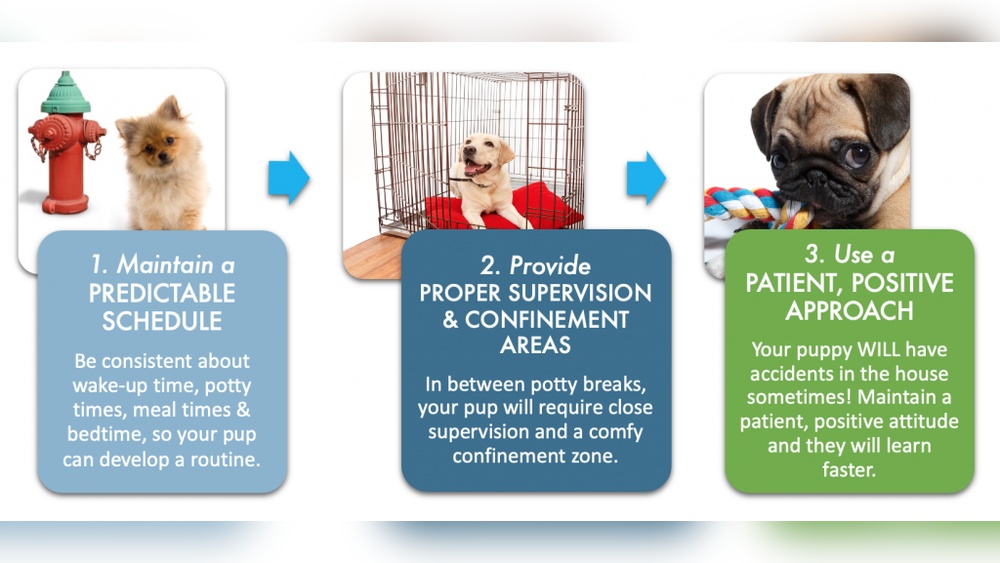
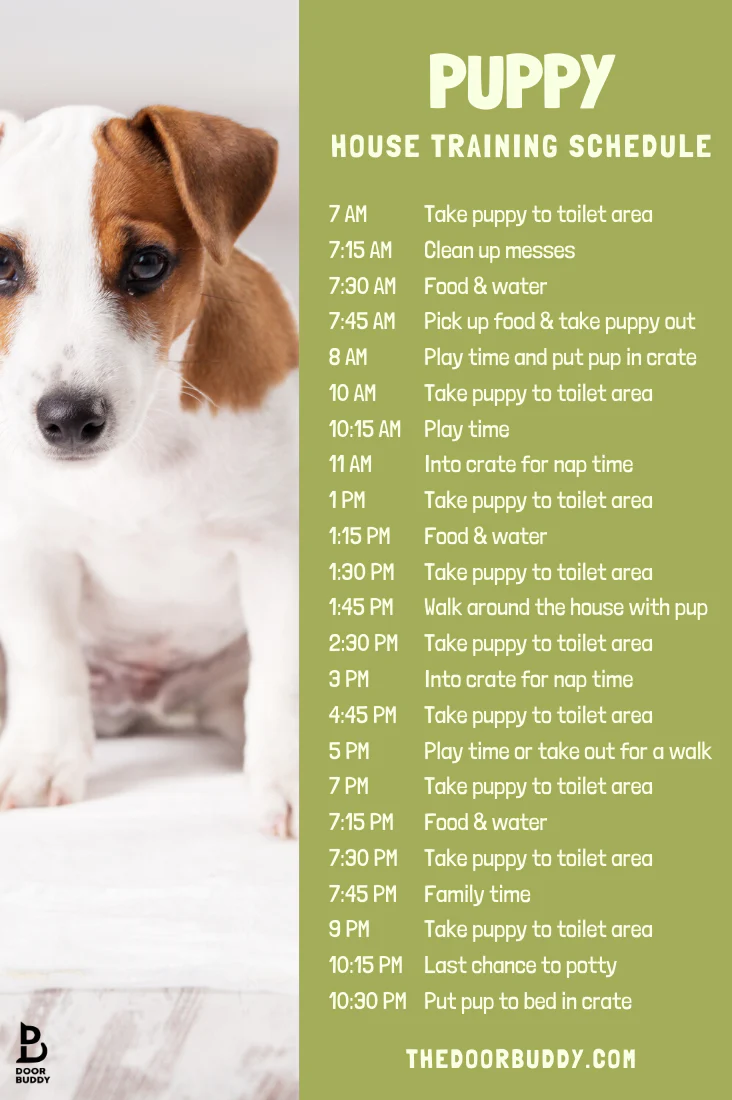
Establishing a potty routine is key to successful puppy training. Puppies learn best with a clear, consistent schedule. A set routine helps your puppy know when and where to go. It also reduces accidents inside your home. Start by taking your puppy out often and timing trips around their daily activities. This routine builds good habits and speeds up training.
Take Puppy Out Frequently
Take your puppy outside every one to two hours. Young puppies have small bladders and need frequent breaks. Always take them to the same spot outside. The familiar smell encourages them to go there again. Watch for signs like sniffing or circling to catch when they need to go. Praise them right after they finish to reinforce good behavior.
Schedule Trips After Key Activities
Plan potty breaks after your puppy wakes up, eats, or plays. These activities often trigger the need to go. Taking them out right after helps prevent accidents. Stick to these times every day to create a predictable routine. This consistency teaches your puppy when to expect potty time. Over time, they will learn to hold it until the next scheduled trip.
Credit: kdfoundation.org
Frequently Asked Questions
What Is The Fastest Way To Potty Train A Puppy?
The fastest way to potty train a puppy includes a strict schedule, frequent outdoor trips, and positive rewards. Take your puppy out after waking, eating, and playing. Praise and reward immediately when they go outside. Interrupt accidents calmly and guide them outside to the designated potty spot.
What Is The 10-10-10 Rule For Puppies?
The 10-10-10 rule for puppies means taking them outside every 10 minutes after play, eating, or waking up. This helps prevent accidents and encourages proper potty habits. Consistent timing builds a reliable bathroom routine for your puppy’s training success.
At What Age Should A Puppy Be Fully Potty Trained?
Puppies are usually fully potty trained by 4 to 6 months old. Consistency and positive reinforcement speed training.
How Do I Stop My Puppy From Peeing In The House?
Establish a consistent schedule for feeding and potty breaks. Take your puppy outside frequently to the same spot. Watch for signs they need to go. Interrupt accidents calmly and immediately take them outside. Praise and reward your puppy for successful potty trips.
Conclusion
Potty training a puppy takes patience and steady effort. Stick to a regular schedule for feeding and bathroom breaks. Always praise your puppy when they go outside in the right place. Watch closely for signs they need to go and guide them gently.
Accidents will happen, but stay calm and consistent. Over time, your puppy will learn where to go. Celebrate small successes and keep routines simple. This helps your puppy feel safe and understand expectations. With care and practice, potty training becomes easier every day.