Ready to discover a fun, fast-paced sport that anyone can enjoy? Pickleball is sweeping across Austin, Texas, and it’s easy to see why.
Whether you’re new to the game or just curious about how to play, this guide will walk you through everything you need to know. From simple rules to smart strategies, you’ll learn how to serve, score, and move on the court like a pro.
Stick with us, and by the end, you’ll be ready to grab a paddle and join the action yourself!
Pickleball Basics
Pickleball is a fun and easy sport to learn. It combines elements of tennis, badminton, and ping pong. The basics are simple, making it perfect for players of all ages and skill levels. Understanding the court, equipment, and player positions helps you start playing quickly. Here’s a look at the essential pickleball basics.
Court Layout
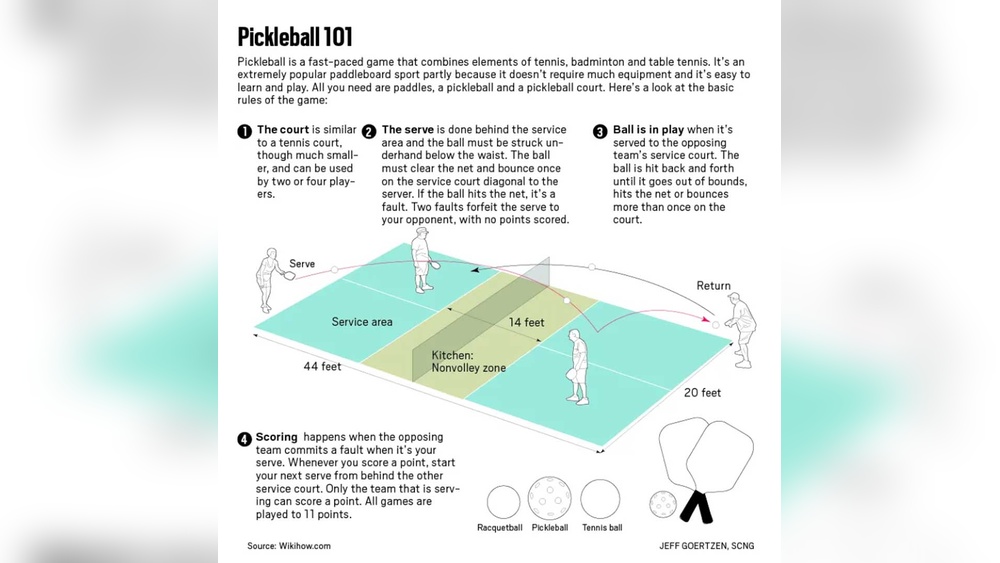
The pickleball court is smaller than a tennis court. It measures 20 feet wide and 44 feet long. The court is divided by a net in the center. Each side has a service area on both the left and right. A key feature is the non-volley zone, called the kitchen, which extends 7 feet from the net. Players cannot hit the ball in the air while standing inside this zone.
Equipment Needed
Pickleball requires only a few pieces of equipment. You need a paddle, which is smaller than a tennis racquet. The ball is lightweight and plastic, with holes. Proper shoes with good grip are important for safety and quick movement. A net is set up at 36 inches high at the sidelines and 34 inches in the center. Basic gear allows you to play indoors or outdoors.
Player Positions
Pickleball can be played as singles or doubles. In singles, one player stands on each side. In doubles, two players form a team on each side. Partners stand side by side near the baseline or closer to the net. Good positioning helps cover the court effectively. Players often switch between defensive and offensive spots during the game.
Serving Rules
Serving is the first step in every pickleball rally. The serve must follow specific rules to be valid. Knowing these rules helps you start each point correctly and avoid faults. The serve in pickleball is always underhand and must go diagonally across the court. Understanding the serving rules boosts your confidence and gameplay.
Underhand Serve Technique
The serve must be underhand, with the paddle below the waist. Swing the paddle in an upward motion to hit the ball. Keep both feet behind the baseline when serving. The ball must be struck before it bounces on the ground. This technique helps keep the serve legal and consistent.
Service Area And Faults
Serve diagonally into the opposite service box. The ball must clear the non-volley zone or kitchen area. If the ball hits the kitchen line or lands outside the service box, it is a fault. Stepping on or over the baseline before hitting the ball is also a fault. Faults cause you to lose the serve or a point.
Changing Serves
In doubles, each player gets a chance to serve before the serve switches sides. The first server serves from the right side. After scoring a point, the server moves to the left side. If a fault happens, the serve passes to the partner or the other team. Changing serves keeps the game fair and balanced.
Gameplay Rules
Understanding the gameplay rules is essential to enjoy pickleball. These rules keep the game fair and fun. They guide how players serve, rally, and score points. Simple rules help beginners learn quickly and play confidently. Below are key gameplay rules every player should know.
Two-bounce Rule
The two-bounce rule requires the ball to bounce once on each side before volleying. After the serve, the receiving team must let the ball bounce. Then, the serving team must also allow a bounce before hitting the ball in the air. This rule slows the game and encourages longer rallies. It prevents players from smashing the ball too early.
Non-volley Zone (kitchen)
The non-volley zone, called the kitchen, is the area near the net. Players cannot hit the ball in the air while standing inside or on the kitchen line. This rule stops players from dominating the net with quick volleys. They must let the ball bounce before entering the kitchen to hit it. The kitchen keeps the game safe and fair for all players.
Faults And Penalties
Faults occur when players break the rules during play. Common faults include hitting the ball out of bounds or volleying in the kitchen. Serving faults happen when the serve is not underhand or misses the correct service area. When a fault happens, the other team gets the point or the serve. Penalties help maintain fair play and keep the game moving smoothly.

Credit: www.gamesetmatchinc.com
Scoring System
The scoring system in pickleball is simple yet unique. Understanding how to score points helps you enjoy the game more. It also keeps the match fair and exciting. This section explains when to score points, how to win the game, and common mistakes to avoid.
When To Score Points
Only the serving team can score points in pickleball. If the serving team wins a rally, they earn a point. If the receiving team wins, they do not get a point but gain the serve. The server continues to serve until their team loses a rally. Then, the serve passes to the other team.
Winning The Game
A game usually ends when a team reaches 11 points. The winning team must be ahead by at least 2 points. If the score is tied 10-10, the game continues until one team leads by 2 points. Some games may play to 15 or 21 points, depending on the rules set before the match.
Common Scoring Mistakes
New players often forget that only the serving team can score points. Some players try to score points while receiving, which is incorrect. Another mistake is not announcing the score clearly before serving. Always say the score loud and clear to avoid confusion. Also, keep track of the score after each point to prevent errors.
The Five P’s Of Pickleball
The Five P’s of Pickleball are essential steps to improve your play. They focus on key skills and strategies. These principles help you stay ready, control the game, and make smart shots.
Each P plays a role in making your game smoother and more effective. Learning them will boost your confidence on the court. Let’s explore each one.
Preparation
Preparation means being ready before the ball comes to you. Keep your paddle up and eyes on the ball. Stay light on your feet to move quickly. Good preparation helps you react fast and hit better shots.
Position
Position is where you stand on the court. Stay near the center to cover more area. Move with your partner to keep balance. A good position lets you reach the ball easily and defend well.
Patience
Patience means waiting for the right moment to make a move. Don’t rush your shots or try to win too fast. Play steady and watch your opponent’s moves. Patience helps you avoid mistakes and win long rallies.
Placement
Placement is about where you hit the ball. Aim for spots that are hard to reach. Use angles and drop shots to confuse your opponent. Good placement makes your shots more effective and scores points.
Power
Power is how hard you hit the ball. Use enough strength to challenge your opponent. Balance power with control to avoid mistakes. Smart power can force errors and give you the advantage.

Credit: www.youtube.com
Basic Techniques
Basic techniques form the foundation of pickleball play. Learning these skills helps you enjoy the game and improve quickly. Focus on control, timing, and positioning. Each shot has its purpose. Practice will build your confidence and consistency.
Forehand And Backhand Shots
Forehand shots use the palm side of the paddle. Stand with your feet shoulder-width apart. Swing the paddle forward, making contact with the ball in front of your body. Keep your wrist firm but relaxed.
Backhand shots use the paddle’s opposite side. Turn your body slightly and swing across your body. Hit the ball with a smooth motion. Keep your eyes on the ball to improve accuracy.
Dinking Strategies
Dinking means hitting soft, low shots into the kitchen area. These shots are slow and aim to create weak returns. Use a gentle wrist motion to control the ball’s speed and direction.
Stay close to the kitchen line. Move your paddle softly and keep the ball low. Dinking helps force your opponent into mistakes and opens the court for better shots.
Volleys And Drives
Volley shots are hits made before the ball bounces. Stand ready with your paddle up and body balanced. Use short, quick swings to keep the ball in play.
Drive shots are faster and more powerful. Use a strong forward swing to send the ball deep into your opponent’s court. Drives pressure your opponent and can lead to quick points.
Common Mistakes To Avoid
Avoiding common mistakes helps you enjoy pickleball more and improve faster. Many new players lose points due to simple errors. Learning what to watch out for saves frustration and boosts confidence. Focus on these key areas to keep your game smooth and fair.
Kitchen Violations
The kitchen, or non-volley zone, is a key area to respect. You cannot hit the ball in the air while standing inside this zone. Stepping into the kitchen to volley causes a fault. Wait for the ball to bounce before entering this area. Many players forget this rule and lose points easily. Always check your foot position before you hit.
Serving Errors
Serving properly starts every rally. The ball must be hit underhand below the waist. Serving overhand or above the waist is a fault. The serve must land in the opposite diagonal service box. Missing the box or stepping over the baseline causes a fault. Take time to practice your serve for consistent play.
Positioning Errors
Good positioning helps you reach the ball quickly and react well. Standing too far from the net or baseline limits your options. Avoid crowding your partner or leaving large gaps. Move with the ball and stay balanced. Poor positioning leads to missed shots and lost points. Stay alert and adjust your stance often.

Credit: www.youtube.com
Tips For Beginners
Starting pickleball can feel tricky. Simple tips help beginners improve fast. Focus on steady progress and enjoy each moment on the court. Practice, stamina, and playing with others build strong skills quickly.
Practice Drills
Practice drills sharpen your control and accuracy. Begin with gentle volleys near the net. Hit the ball back and forth slowly to develop timing. Use target areas on the court to improve your aim. Repeating these drills builds confidence and consistency.
Building Stamina
Pickleball matches can last a long time. Build stamina by adding short runs and stretches to your routine. Play several rallies in a row without breaks. This improves your endurance and helps you stay focused. Good stamina means better movement and faster reactions.
Playing With Others
Playing with others teaches real game situations. Join local groups or find partners to play regularly. Watch how experienced players move and respond. Playing doubles helps you learn teamwork and court coverage. Friendly matches reduce pressure and boost your skills.
Frequently Asked Questions
How Do You Play Basic Pickleball?
Start with an underhand serve diagonally into the opposite service box. Let the ball bounce once on each side before volleying. Avoid volleying in the kitchen (non-volley zone). Only the serving team can score points. Continue play until a fault or lost rally ends the point.
What Are The 5 Rules Of Pickleball?
1. Serve underhand diagonally into the opposite service box. 2. Let the ball bounce once on each side before volleying. 3. Avoid volleying inside the kitchen (non-volley zone). 4. Only the serving team can score points. 5. Win by reaching 11 points with a 2-point lead.
What Are The 5 P’s Of Pickleball?
The 5 P’s of pickleball are Preparation, Position, Patience, Placement, and Power. These improve readiness, court awareness, timing, shot strategy, and finishing strength.
What Is The Golden Rule Of Pickleball?
The golden rule of pickleball is to let the ball bounce once on each side before volleying. This ensures fair play and keeps the rally going.
Conclusion
Playing pickleball can be fun and easy to learn. Start with the basic rules and practice often. Remember to serve underhand and follow the two-bounce rule. Stay outside the kitchen when volleying to avoid faults. Focus on your positioning and patience during rallies.
Keep your shots controlled and aim for good placement. Enjoy the game with friends or family. Pickleball offers great exercise and social time. Keep practicing, and you will improve steadily. Have fun on the court and play fair every time.