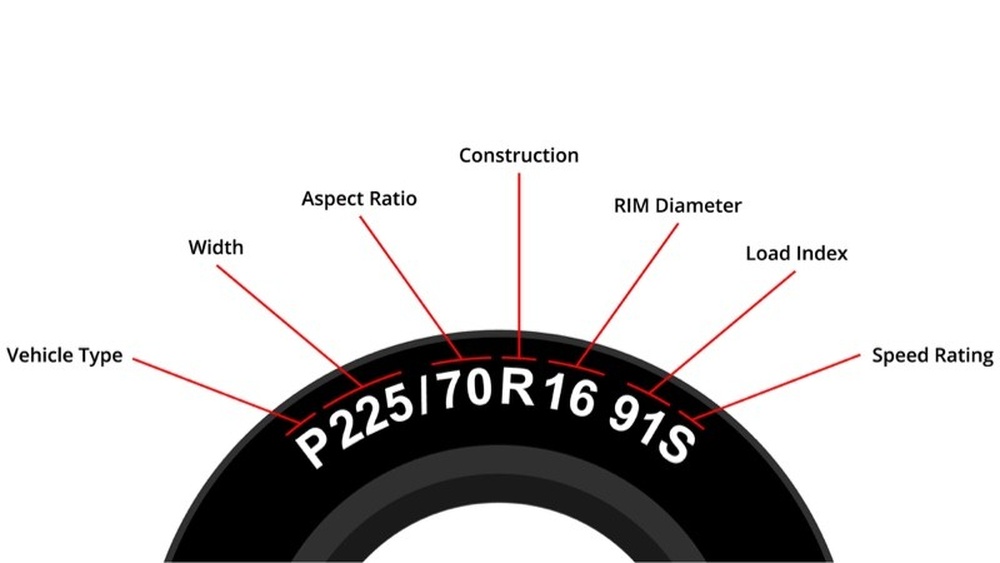
Understanding how to read your tire size is easier than you think—and it’s a skill that puts you in control of your vehicle’s safety and performance. Every tire has a series of numbers and letters stamped on its sidewall.
These codes might look confusing at first, but once you know what they mean, you can quickly find the right tire for your car or know exactly what size you have. Whether you’re replacing worn tires or just curious about what those numbers represent, this guide will walk you through decoding tire sizes step-by-step.
Stick with me, and by the end, you’ll feel confident reading tire sizes like a pro—saving time, money, and giving your vehicle the care it deserves.
Tire Type Codes
Tire type codes are the letters at the start of a tire size. They tell you what kind of tire you have. These codes help identify the tire’s purpose and design. Understanding these codes is key to choosing the right tire for your vehicle. Below are common tire type codes and their meanings.
Passenger Tires
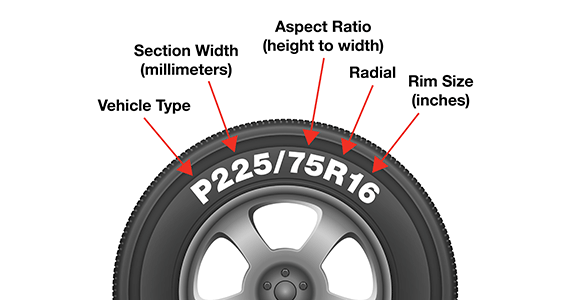
Passenger tires start with the letter “P”. These tires are designed for cars, minivans, and small SUVs. They provide a smooth ride and good fuel efficiency. Their construction suits everyday driving on paved roads. Most passenger cars use tires with this code.
Light Truck Tires
Light truck tires begin with the letter “LT”. They support heavier loads than passenger tires. These tires are made for trucks and large SUVs. They offer extra strength and durability for off-road and towing. Light truck tires have tougher sidewalls to handle rough conditions.
Special Trailer Tires
Special trailer tires carry the code “ST”. They are made only for trailers, not for cars or trucks. These tires handle heavy loads but do not support steering or driving forces. Trailer tires are built to resist wear from heavy weight and long stops. Using the right trailer tire code ensures safety on the road.
Width And Aspect Ratio
The width and aspect ratio are key parts of a tire’s size. These numbers tell you about the tire’s shape and how it fits your vehicle. Understanding these helps you choose the right tire for safety and performance.
Measuring Tire Width
Tire width is the first number in the tire size code. It shows the width of the tire in millimeters. This is the distance from one sidewall to the other. A wider tire can offer better grip on the road. Narrower tires often help with fuel efficiency. The width affects how the tire contacts the road surface.
Understanding Aspect Ratio
The aspect ratio is the second number in the tire size, shown after the slash. It is a percentage. This number tells the height of the tire’s sidewall compared to its width. For example, an aspect ratio of 55 means the height is 55% of the tire width. A lower aspect ratio means a shorter sidewall. A higher ratio means a taller sidewall. This ratio affects the ride comfort and handling of the tire.
Effect On Tire Height
The aspect ratio directly affects the tire’s overall height. A taller sidewall adds to the tire’s total diameter. This can change how your speedometer reads. It also impacts the vehicle’s ground clearance. Tires with a higher aspect ratio may absorb bumps better. Tires with a lower aspect ratio often improve cornering and stability. Choosing the right balance is important for your driving needs.
Construction And Diameter
Tire size tells more than just width and height. The construction and diameter reveal key details about how a tire performs and fits your wheel. These numbers and letters on the sidewall help you pick the right tire for your vehicle. Understanding these can improve safety and comfort on the road.
Radial Vs. Other Constructions
The letter “R” in the tire size means radial construction. Radial tires have internal layers running across the tire from side to side. This design gives better flexibility and a smoother ride. Most modern tires use radial construction because it lasts longer and handles better.
Other types include bias-ply tires. These have layers running diagonally, which makes the tire stiffer. Bias-ply tires are less common today but still used in some trucks and classic cars. Knowing the construction helps you choose a tire that fits your driving needs.
Wheel Diameter Size
The wheel diameter is the number after the construction letter. It shows the size of the wheel in inches that the tire fits. For example, a tire marked “R16” fits a 16-inch wheel.
It is crucial to match the tire diameter with your wheel size. A wrong fit can cause poor handling or damage to the tire. Always check the diameter number to ensure proper fit and safe driving.
Load Index And Speed Rating
The load index and speed rating are key parts of a tire’s size code. They tell you how much weight the tire can hold and the maximum speed it can safely handle. Understanding these numbers keeps you safe on the road and helps you choose the right tire for your vehicle.
Load Carrying Capacity
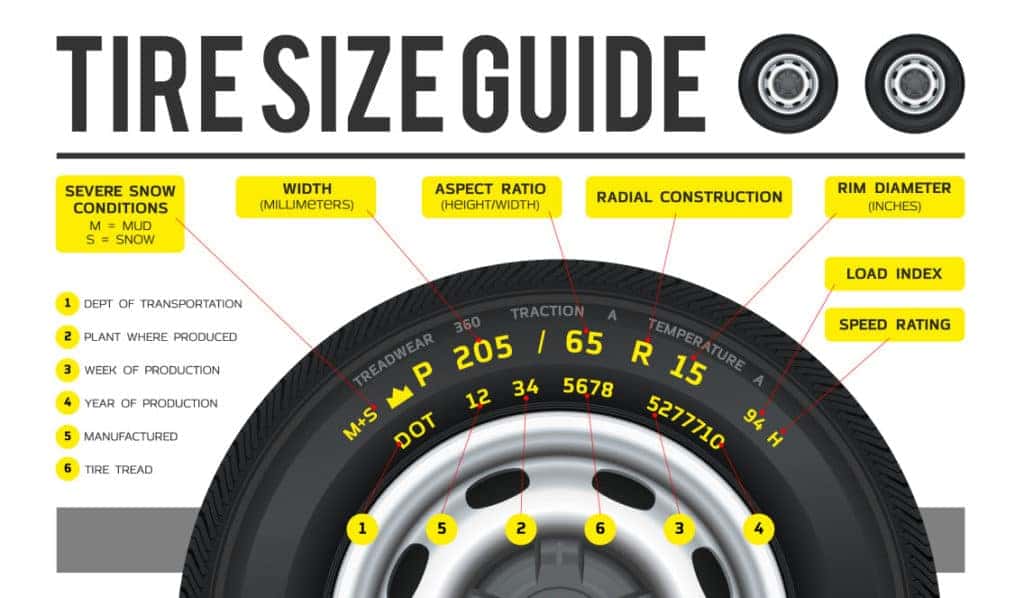
The load index is a number found on the tire sidewall. It shows the maximum weight the tire supports when fully inflated. Each number corresponds to a specific weight in pounds or kilograms. For example, a load index of 95 means the tire can carry up to 1,521 pounds (690 kg).
Choosing tires with the correct load index is important. Using tires with a lower load index than needed can cause tire damage and unsafe driving. Always check your vehicle’s manual for the recommended load index.
Speed Limits Explained
The speed rating is a letter next to the load index. It indicates the highest speed the tire can handle safely. Letters range from L (75 mph) to Y (186 mph) or higher for special tires.
This rating helps ensure the tire performs well at the speeds your vehicle travels. Driving faster than the speed rating risks tire failure and accidents. Match the speed rating to your driving needs and vehicle specifications.
Additional Markings
Tires carry more than just size numbers. They include important extra markings. These markings provide safety, performance, and manufacturing details. Understanding them helps you choose the right tire and maintain it properly. Below are key additional markings you will find on tires.
Dot Codes And Manufacturing Info
The DOT code shows that the tire meets U.S. safety standards. It starts with the letters “DOT” followed by a series of numbers and letters. These codes identify the plant where the tire was made. They also include the tire’s size and brand. The last four digits tell the week and year of manufacture. For example, “2319” means the tire was made in the 23rd week of 2019. This info helps track recalls and determine tire age.
Utqg Ratings
UTQG stands for Uniform Tire Quality Grading. It rates tires on treadwear, traction, and temperature resistance. Treadwear is a number showing how long the tire should last. A higher number means longer tread life. Traction grades range from AA to C, indicating stopping ability on wet surfaces. Temperature grades from A to C show heat resistance. These ratings help compare tire quality and performance.
Maximum Inflation Pressure
This marking shows the highest air pressure the tire can safely hold. It is listed in pounds per square inch (PSI) or kilopascals (kPa). Do not exceed this pressure when inflating tires. Overinflation can cause a harsh ride and increase the risk of tire damage. Always follow your vehicle’s recommended tire pressure for the best performance and safety.
Credit: dandrcarcare.com
Locating Tire Size Information
Knowing where to find tire size information is the first step in understanding your tires. Tire size details help you choose the right replacement or upgrade for your vehicle. These details appear in various spots on your car and tires. This section explains the common places to locate tire size data easily.
Sidewall Codes
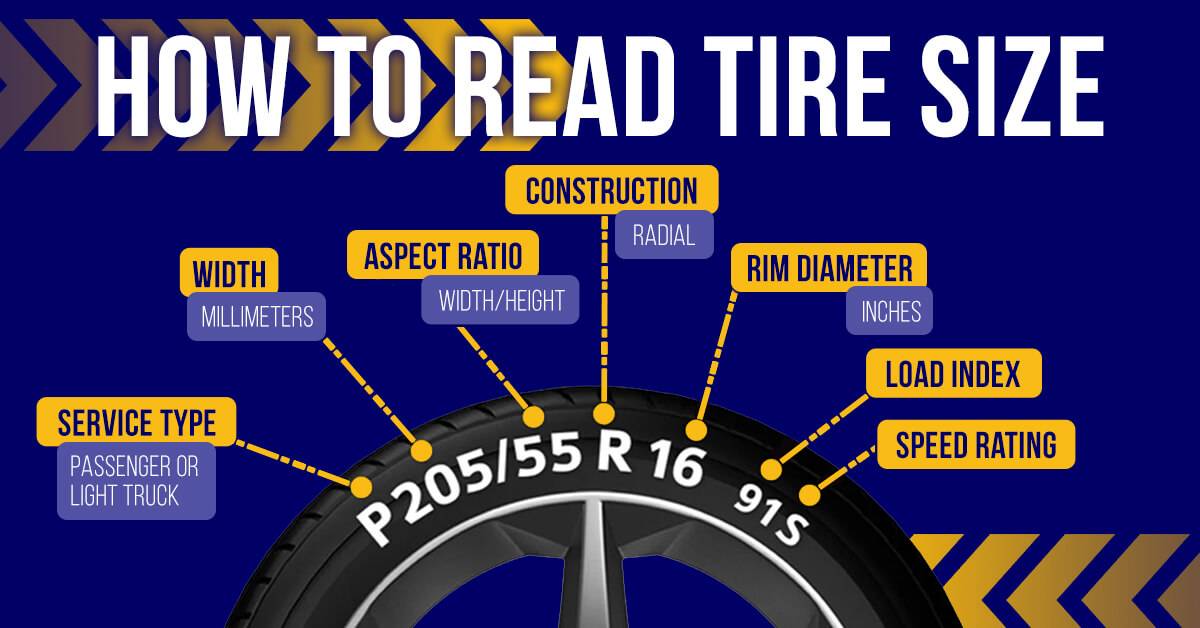
The easiest place to find tire size is on the tire sidewall. Numbers and letters appear in a sequence like “P215/65R15.” This code shows the tire’s width, aspect ratio, construction type, and wheel diameter. Every tire has these markings molded into the rubber. Check the outer edge of the tire for these codes.
Driver’s Door Jamb
Another common spot is inside the driver’s door jamb. Open the door and look along the frame or near the latch. A sticker or metal plate shows the recommended tire size for your vehicle. This label also provides useful info like tire pressure. It ensures you use the correct tire size for safe driving.
Owner’s Manual
The owner’s manual contains detailed information about your tires. It lists the proper tire sizes and types for your car model. You can find it in the glove box or with your car documents. The manual also explains tire maintenance and replacement tips. It is a reliable resource for all tire-related questions.
Comparing Tire Sizes
Comparing tire sizes helps you choose the right tires for your vehicle. Tires with different sizes affect driving, speedometer readings, and fuel economy. Understanding how to compare sizes avoids problems and keeps your vehicle safe. Focus on key measurements like overall diameter and sidewall height to know the real differences between tires.
Calculating Overall Diameter
The overall diameter is the total height of the tire from ground to top. It affects speed and clearance under the car. Calculate it by adding twice the sidewall height to the wheel diameter. For example, a tire marked 205/55R16 has a sidewall height of 55% of 205 mm. Multiply 205 by 0.55, then convert to inches and add wheel diameter.
Use this formula: Overall Diameter = (Sidewall Height × 2) + Wheel Diameter. This helps compare tires accurately. Tires with different overall diameters may not fit well or affect your car’s systems.
Sidewall Height Differences
Sidewall height is the distance from the wheel rim to the tire tread. It influences ride comfort and handling. A taller sidewall offers a softer ride but less precise handling. A shorter sidewall gives better cornering but a firmer ride.
Sidewall height depends on the aspect ratio, shown as a percentage on the tire size. Compare this number to see how much taller or shorter the sidewalls are between tires. Knowing this helps you pick tires that match your driving style and vehicle needs.
Credit: www.monro.com
Tips For Tire Selection
Selecting the right tire matters for safety and performance. Tires affect handling, fuel efficiency, and comfort. Choosing tires that fit your vehicle and driving style is key. Here are tips to help you select tires wisely. These tips make tire selection simple and clear.
Matching Manufacturer Specs
Always check your vehicle’s manual for recommended tire sizes. Manufacturers design tires to fit specific wheel sizes and weight limits. Using the exact size ensures proper fit and balanced driving. Avoid tires that are too large or too small. Stick to the specs for optimal safety and performance.
Considering Driving Conditions
Think about where you drive most often. For wet or snowy roads, choose tires with good traction and water dispersion. Dry, smooth roads need tires focused on grip and fuel economy. Rough or off-road conditions require stronger tires with tougher sidewalls. Match tires to your typical driving environment for best results.
Credit: www.bmwofstratham.com
Frequently Asked Questions
What Does 225/65 R17 Mean On A Tire?
225 represents tire width in millimeters. 65 is the aspect ratio, the sidewall height as a percentage of width. R means radial construction. 17 indicates the wheel diameter in inches.
Which Tire Is Taller, 275 Or 285?
A 285 tire is wider but not always taller than a 275. Height depends on the aspect ratio and rim size.
How Do I Read My Tire Size?
Read your tire size by decoding the sidewall code: width (mm), aspect ratio (%), construction type (R = radial), rim diameter (inches), load index, and speed rating. For example, “215/65R15 95H” means 215 mm wide, 65% height, radial, 15-inch rim, load 95, speed H.
What Does 215-60 R16 Mean On A Tire?
215-60 R16 means the tire is 215 mm wide, has a 60% sidewall height of the width, and fits a 16-inch rim. “R” indicates radial construction.
Conclusion
Understanding tire size numbers helps you choose the right tires fast. Each number and letter shows important tire details. Knowing these details improves safety and vehicle performance. Always check your tire size before buying new tires. This simple skill saves time and money.
Keep your vehicle running smoothly with the correct tires. Now, reading tire sizes will feel easy and clear.