If you’ve ever been curious about how to squirt, you’re not alone. Many people want to understand this powerful and often misunderstood experience.
Squirting isn’t just a myth or a trick—it’s a natural response that some women can learn to unlock with the right knowledge and techniques. You’ll discover exactly what squirting is, how it happens, and practical steps you can take to explore it safely and confidently.
Whether you want to deepen intimacy with your partner or simply understand your own body better, this guide is designed to help you feel empowered and informed. Ready to unlock a new level of pleasure? Keep reading and find out how to squirt with ease.

Credit: announcekit.app
What Happens During Squirting
Squirting is a unique experience involving the release of fluid from the urethra. It occurs during sexual arousal or orgasm. Understanding what happens during squirting helps demystify this natural process.
Several body parts and actions work together to cause squirting. These include the Skene’s glands, pelvic floor muscles, and the composition of the fluid released.
Role Of Skene’s Glands
The Skene’s glands are small glands located near the urethra. They are often called the female prostate because they share similar functions. During sexual arousal, these glands produce fluid that can be released during squirting. This fluid contains prostate-specific antigen (PSA), a protein also found in male prostate fluid. The Skene’s glands help create the fluid part of what is expelled.
Pelvic Floor Muscle Contractions
Pelvic floor muscles play a key role in squirting. These muscles surround the bladder and urethra. When they contract during orgasm or intense stimulation, they create pressure. This pressure pushes fluid from the bladder and the Skene’s glands out through the urethra. These muscle contractions are usually involuntary and are a natural part of the experience.
Fluid Composition
The fluid released during squirting is a mix. It mainly contains urine from the bladder. It also includes fluid from the Skene’s glands. This mix explains why the fluid can vary in smell and taste. Research shows that the bladder fills with fluid during stimulation and empties during squirting. This helps clarify the nature of the fluid and its source.
Credit: www.juliettoys.com
Anatomy Behind The Experience
The experience of squirting involves unique anatomy inside the body. Understanding this anatomy helps explain how squirting happens. It involves specific areas and muscles working together during sexual stimulation.
The process is not the same for everyone. Knowing the key parts involved can help reduce confusion and enhance the experience.
The Anterior Vaginal Wall
The anterior vaginal wall is the front part inside the vagina. It is sensitive and plays a big role in squirting. This area often contains the G-spot, which can trigger strong sensations.
Stimulation here can cause pressure and muscle contractions. These contractions help push fluid out during squirting.
The Urethra’s Role
The urethra is a small tube that carries urine out of the body. During squirting, fluid passes through the urethra. This fluid can come from the bladder and nearby glands.
The urethra’s position near the vagina makes it important in this process. Muscle contractions help push fluid out through the urethra during arousal or orgasm.
G-spot Stimulation
The G-spot is a sensitive area on the anterior vaginal wall. Stimulating the G-spot can cause intense pleasure and pressure. This pressure can lead to fluid release or squirting.
Not everyone feels the same from G-spot stimulation. For some, it causes strong muscle contractions that expel fluid. It plays a central role in the squirting experience.
Techniques To Encourage Squirting
Exploring techniques to encourage squirting can enhance intimacy and pleasure. Understanding the right methods helps create comfort and increases chances of squirting. Patience and practice play key roles in this experience.
Preparing The Body
Start by emptying the bladder for comfort. Take a warm bath or shower to relax muscles. Gentle pelvic floor exercises can increase awareness and control. Use lubricant to reduce friction and improve sensation. Create a calm environment to ease any tension.
Effective Stimulation Methods
Focus on the anterior vaginal wall, often called the G-spot. Use a “come here” motion with fingers to apply gentle pressure. Experiment with speed and firmness to find what feels best. Combine clitoral stimulation to enhance overall arousal. Communicate openly about comfort and sensations.
Breathing And Relaxation Tips
Deep, slow breaths help relax the pelvic muscles. Breathe into the belly to reduce tension and increase oxygen. Avoid holding your breath during stimulation or orgasm. Focus on the sensations rather than the goal. Let go of control and allow your body to respond naturally.
Building Confidence And Comfort
Building confidence and comfort is key to exploring squirting. Feeling relaxed helps the body respond naturally. Trust in yourself and the process can make a big difference.
Comfort creates space for pleasure. Taking time to understand your feelings builds confidence slowly. This section helps you focus on mental and emotional steps to prepare.
Overcoming Mental Barriers
Many women face doubts or fears about squirting. These mental blocks can stop progress. Accept your feelings without judgment. Remind yourself that every body is unique.
Replace negative thoughts with positive ones. Imagine success and enjoyment. Practice deep breathing to reduce anxiety. Confidence grows with patience and practice.
Communicating With Your Partner
Open talks with your partner improve comfort. Share your feelings and desires honestly. Explain what feels good and what does not. This builds trust and teamwork.
Ask your partner to be patient and gentle. Give feedback during intimacy to adjust touch. Communication helps both feel safe and connected. It can enhance the overall experience.
Creating A Safe Environment
A calm, private space helps relaxation. Choose a place without interruptions. Soft lighting and comfortable bedding add to ease. Use scents or music that relax you.
Remove distractions like phones or loud noises. Take your time without pressure. Feeling safe lets your body respond naturally. Comfort and trust in your space are vital.
Common Myths And Facts
Many myths surround squirting, causing confusion and curiosity. Understanding facts helps clear doubts. Squirting is a natural body response for some people. It involves fluid release, but details often get misunderstood.
Let’s explore common myths and facts to separate truth from fiction. This knowledge supports a healthier view of female sexuality and bodily functions.
Difference Between Squirting And Female Ejaculation
Squirting and female ejaculation are not the same. Female ejaculation is a small amount of fluid released from the Skene’s glands. This fluid is usually clear and milky.
Squirting involves a larger release of fluid from the urethra. This fluid mostly comes from the bladder. The two happen differently and feel different.
Is It Just Urine?
Many believe squirting is only urine. Scientific studies show the fluid contains urine and gland secretions. The Skene’s glands add special fluids that are different from urine.
The mix varies between individuals. Some fluid may smell like urine, but it is not just urine. It is a unique bodily fluid released during sexual arousal.
Frequency And Normalcy
Squirting does not happen to everyone. Some people experience it often, others never do. Both are normal and healthy.
There is no “right” amount or frequency. Squirting should never feel forced. Enjoying the experience matters more than the outcome.

Credit: www.womens-health.com
Health And Hygiene Tips
Maintaining health and hygiene is vital when exploring how to squirt. Proper care helps prevent discomfort and infections. It also supports a positive and safe experience. Simple habits protect your bladder and intimate areas. Respecting your body’s signals ensures well-being.
Bladder Care Before And After
Empty your bladder before sexual activity. This reduces pressure during squirting. Afterward, urinate again to flush out bacteria. Drink water to stay hydrated. Clean the genital area gently with warm water. Avoid harsh soaps that can irritate sensitive skin.
Preventing Infections
Wash hands and any toys before use. Use clean, body-safe materials for stimulation. Avoid sharing toys without proper cleaning. Wear breathable cotton underwear to keep the area dry. Change out of wet clothes quickly. These steps lower infection risk and promote comfort.
When To See A Doctor
Seek medical help if you feel burning during urination. Watch for unusual odor, color, or pain in the genital area. Persistent discomfort or fever needs attention. Early treatment stops infections from worsening. Regular check-ups support sexual health and peace of mind.
Using Toys And Tools
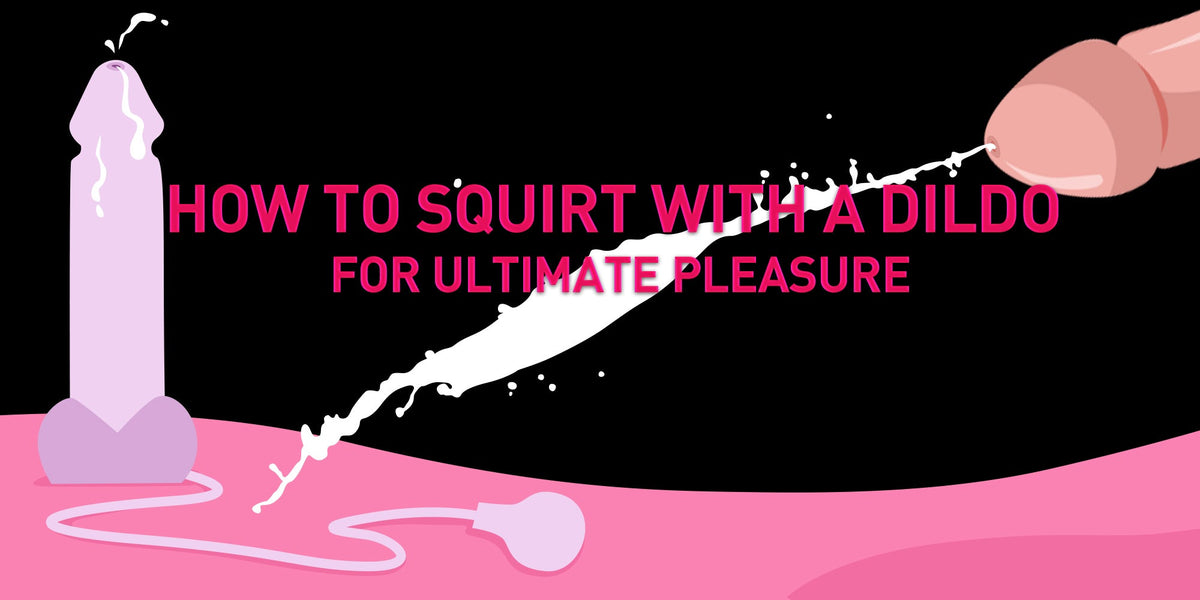
Using toys and tools can help explore the experience of squirting more deeply. They provide targeted stimulation and can make finding the G-spot easier. Many people find toys enhance pleasure and increase chances of squirting.
Choosing the right toy and using it safely improves comfort and enjoyment. Experimenting with different sensations helps discover what feels best. Toys can add variety and make the process more fun and relaxed.
Best Toys For G-spot Stimulation
Curved vibrators are popular for reaching the G-spot effectively. They have a bend designed to press on the anterior vaginal wall. Silicone toys are safe, soft, and easy to clean. Some vibrators offer adjustable speeds and patterns for varied sensations. G-spot dildos with a firm curve also work well for manual stimulation. Choose toys with a flared base to prevent slipping inside.
Safe Use Practices
Clean toys before and after each use with mild soap or toy cleaner. Use water-based lubricants to avoid damaging silicone toys. Start slow to allow your body to relax and adjust. Avoid sharing toys without proper cleaning to prevent infections. Listen to your body and stop if you feel discomfort or pain. Store toys in a clean, dry place to keep them hygienic.
Enhancing Sensation
Combine toy use with deep breathing to increase relaxation. Try different speeds and pressures to find the most pleasurable sensation. Adding clitoral stimulation can heighten overall arousal. Use toys along with your fingers for varied touch. Experiment with warm or cool lubricants for new feelings. Take breaks to avoid overstimulation and keep the experience enjoyable.
Personalizing Your Experience
Personalizing your experience is key to discovering what works best for you. Each body responds differently to stimulation. Taking time to explore helps you understand your unique needs. Comfort and patience enhance pleasure and relaxation.
Experimenting with different methods allows you to find the right balance. This personal approach improves your chances of enjoying the sensations fully. Listen closely to your body’s signals throughout the process.
Listening To Your Body
Pay attention to how your body reacts during stimulation. Notice areas that feel more sensitive or relaxed. Stop or change technique if you feel discomfort. Your body’s feedback guides you to more enjoyable experiences. Be patient and gentle as you explore.
Adjusting Pressure And Rhythm
Try varying the pressure applied to different spots. Some may prefer light touches, others firmer pressure. Change the rhythm to find what feels best—slow, steady, or quick. Small adjustments can make a big difference. Always prioritize comfort over intensity.
Combining Techniques
Mix different methods like manual stimulation and gentle massage. Use fingers, toys, or varying hand movements to explore sensations. Combining techniques can deepen pleasure and increase arousal. Experiment with angles and locations to see what feels right. Keep an open mind and enjoy the process.
Frequently Asked Questions
What Is A Female Squirt And How Does It Happen?
Female squirting is the release of fluid from the urethra during sexual arousal or orgasm. It occurs when pelvic muscles contract, pushing fluid from the bladder and Skene’s glands. This fluid is mostly urine mixed with glandular secretions. Stimulation of the anterior vaginal wall often triggers it.
How Can A Woman Release Water?
A woman releases water by contracting pelvic floor muscles during sexual arousal or orgasm. This expels fluid from the bladder and Skene’s glands through the urethra. Stimulation of the anterior vaginal wall often triggers this process. Emptying the bladder beforehand can reduce pressure.
What Makes A Woman Release Easily?
A woman releases easily through strong pelvic floor muscle contractions and stimulation of the anterior vaginal wall (G-spot). Relaxation, arousal, and comfort also enhance fluid release. Emptying the bladder before sex may reduce pressure and increase comfort during release.
What Is Female Squirting And How Does It Occur?
Female squirting is the involuntary release of fluid from the urethra during sexual arousal or orgasm. It happens when pelvic floor muscles contract, pushing fluid from the bladder and Skene’s glands through the urethra. The fluid is mostly urine mixed with glandular secretions.
Conclusion
Squirting is a natural response that varies for each person. It may take time and patience to explore. Focus on comfort and communication with your partner. Relax your body and breathe deeply during stimulation. Remember, every experience is unique and personal.
Enjoy the journey without pressure or expectations. Stay open and curious about your body’s reactions. This understanding helps create a positive and satisfying experience.