You rely on your tires every day to keep you safe on the road. But have you ever wondered how often you should rotate them to get the most out of their life?
Ignoring tire rotation can lead to uneven wear, poor handling, and costly replacements. The truth is, rotating your tires at the right intervals is one of the simplest ways to protect your investment and keep your drive smooth and safe.
You’ll discover exactly how often to rotate your tires, why it matters, and what signs to watch for that mean it’s time to take action. Stick with us—you’ll be driving smarter and saving money in no time.
Rotation Frequency Factors
Tire rotation frequency depends on several key factors. These factors affect how quickly your tires wear out. Understanding them helps you keep your tires in good shape longer.
Each vehicle and driver has different needs. Adjusting rotation intervals can improve safety and save money. Consider these important factors to decide how often to rotate your tires.
Drive Type Impact
Your vehicle’s drive type changes tire wear patterns. Front-wheel drive cars put more stress on front tires. These tires wear faster and need more frequent rotation.
Rear-wheel and all-wheel drive vehicles spread wear more evenly. This may allow for longer intervals between rotations. Check your car’s drive type to set the right schedule.
Driving Style Effects
Aggressive driving causes faster tire wear. Hard braking and sharp turns wear tires unevenly. Drivers who accelerate quickly or brake hard should rotate tires more often.
Long highway trips wear tires differently than city driving. Highway driving often causes less uneven wear. Still, monitor your tires and rotate based on your driving habits.
Vehicle Type Considerations
Performance and sports cars use tires that wear faster. These vehicles often need more frequent rotations. Larger vehicles with heavy loads also cause quicker tire wear.
Smaller cars or those driven gently may rotate tires less often. Always check your vehicle’s manual for specific advice. Vehicle type directly affects your tire rotation plan.
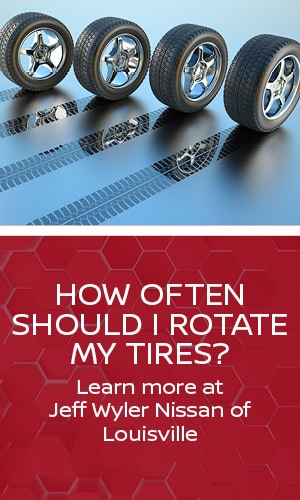
Credit: jeffwylernissanoflouisville.com
Recommended Rotation Intervals
Regular tire rotation helps extend tire life and improve performance. Knowing the recommended intervals keeps your ride safe and smooth. Follow guidelines and timing advice to get the best results.
Manufacturer Guidelines
Car makers provide specific rotation schedules. These appear in your owner’s manual. Following them ensures warranty coverage and optimal tire wear. Some brands suggest rotations every 5,000 to 7,500 miles. Always check your manual for details.
General Timeframes
Tires usually need rotation every six months. This suits most drivers and conditions. Regular six-month checks catch uneven wear early. Adjust timing if you drive a lot or on rough roads. Consistency matters more than exact dates.
Mileage Recommendations
Most experts advise rotating tires every 5,000 to 8,000 miles. This range fits normal city and highway driving. If you drive aggressively or carry heavy loads, rotate sooner. Tires last longer and wear evenly with proper mileage intervals.
Signs To Rotate Sooner
Knowing the signs to rotate tires sooner helps keep your vehicle safe. Tires wear differently based on driving habits and road conditions. Early rotation can prevent damage and save money. Watch for these warning signs to act before scheduled rotations.
Uneven Tire Wear
Check your tires often for uneven wear patterns. If one tire looks more worn than others, it needs attention. Uneven wear can reduce tire life and cause poor handling. Rotating tires balances wear and extends their lifespan.
Vibrations While Driving
Feel vibrations in the steering wheel or car body? This may signal tire problems. Tires that wear unevenly cause vibrations at certain speeds. Rotating tires can reduce these vibrations and improve ride comfort.
Traction And Handling Issues
Notice your car slipping or struggling in turns? Poor traction or handling may mean tires need rotating. Tires lose grip if they wear unevenly, affecting safety. Rotating tires helps maintain even traction on all wheels.
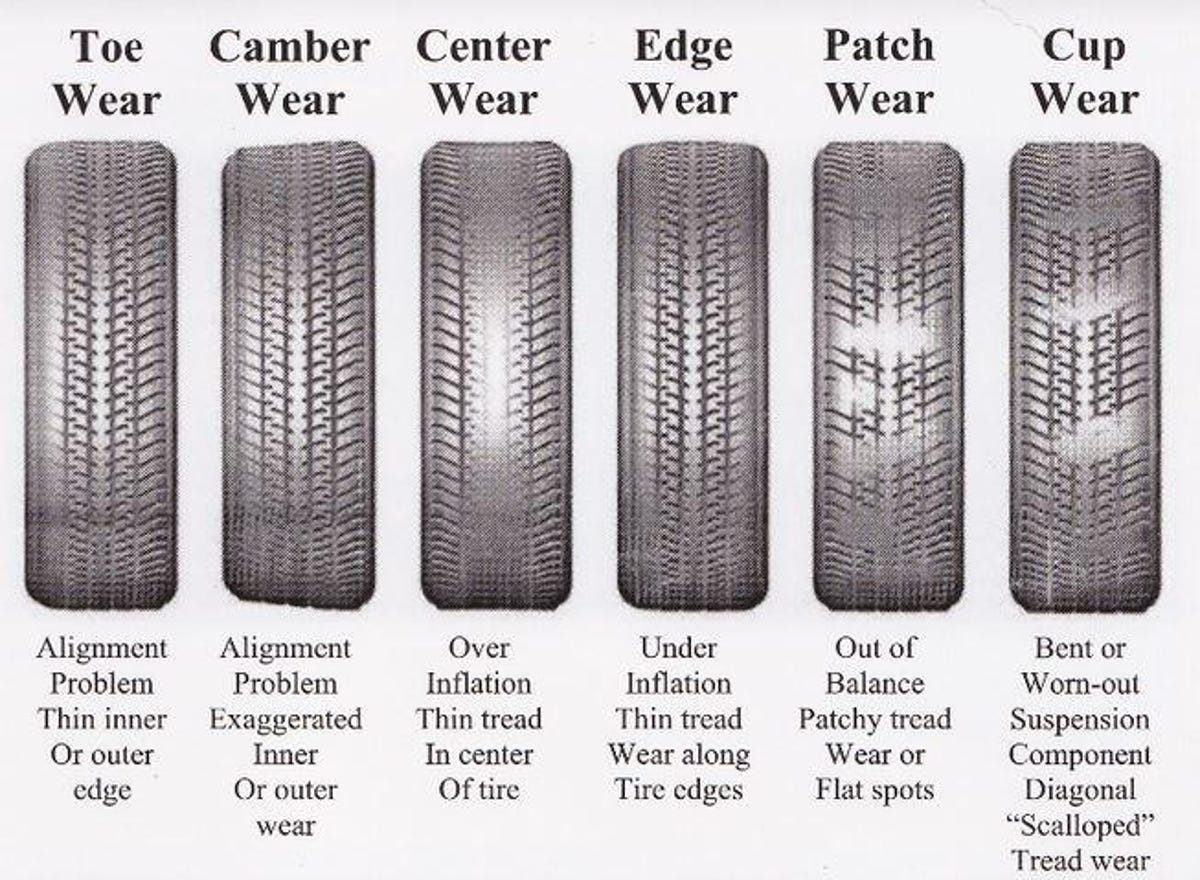
Credit: www.cnet.com
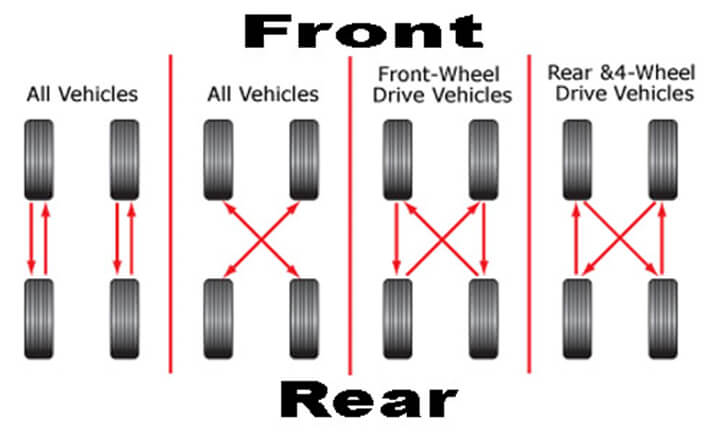
Rotation Patterns
Tire rotation is key to even tire wear and longer tire life. Different vehicles need different rotation patterns. Choosing the right pattern helps maintain balance and performance. Below are common rotation patterns based on drive types and tire setups.
Front-wheel Drive
Front-wheel drive cars wear out front tires faster. Rotate tires by moving the front tires straight back to the rear. Then, cross the rear tires to the front. This pattern helps balance wear between front and rear tires.
Rear-wheel Drive
Rear-wheel drive cars wear rear tires more quickly. Rotate tires by moving rear tires straight to the front. Cross the front tires to the rear. This pattern evens out the wear on all four tires effectively.
All-wheel Drive
All-wheel drive vehicles need even tire wear on all wheels. Rotate tires in a crisscross pattern. Front tires move to opposite rear positions. Rear tires move to opposite front positions. This keeps the traction balanced on all wheels.
Staggered Tire Setups
Some cars have different sizes on front and rear tires. These cannot be rotated front to back. Rotate tires side to side only. This means swapping left and right tires on the same axle. This pattern helps maintain proper handling and tire life.
Benefits Of Regular Rotation
Regular tire rotation plays a key role in maintaining your vehicle’s performance. It helps your tires wear evenly and last longer. Rotating tires on time also boosts safety on the road. It can save money by avoiding early tire replacement. Checking tires during rotation can spot problems early. These benefits make regular tire rotation a smart habit.
Even Tread Wear
Tires wear differently depending on their position on the car. Front tires often wear faster due to steering and braking. Rotating tires moves them to different positions. This balances wear across all tires. Even tread wear means better grip and longer tire life.
Improved Safety
Good tire tread keeps your car stable on wet or slippery roads. Worn tires increase the risk of skidding or hydroplaning. Regular rotation keeps tread depth balanced on all tires. This improves traction and control. It helps prevent accidents and ensures safer driving.
Cost Efficiency
Unevenly worn tires need replacing sooner. Rotating tires regularly spreads wear evenly. This extends the time before you must buy new tires. It also improves fuel efficiency by reducing rolling resistance. Regular rotation saves money over time on tires and fuel.
Early Issue Detection
Rotating tires lets you inspect them closely. You can spot cuts, bulges, or uneven wear early. Early detection helps prevent sudden tire failure. It also reveals alignment or suspension problems. Fixing issues early avoids costly repairs and keeps your car safe.
Tire Inspection Tips
Regular tire inspections help keep your car safe and extend tire life. Checking tires often lets you spot problems early. Simple steps can show when tires need rotation or repair.
Visual Wear Checks
Look closely at your tires for cracks, cuts, or bulges. Uneven wear on one side means rotation is needed. Check the sidewalls and tread for damage. Small stones or debris can also cause problems.
Tread Depth Measurement
Use a tread depth gauge to check tire grooves. The legal minimum is 2/32 of an inch. Tires with less tread grip poorly, especially on wet roads. Measure at several points to find uneven wear.
Professional Inspections
Visit a tire expert at least once a year. They check tire balance and alignment too. Professionals can spot hidden issues you might miss. Early fixes save money and improve safety.
Rotation And Maintenance
Regular tire rotation keeps your car safe and extends tire life. It spreads wear evenly across all tires. This simple task helps maintain good traction and improves fuel efficiency. Proper maintenance avoids costly repairs later. Tire rotation fits well with other routine car care tasks.
Timing and consistency matter for best results. Knowing how to schedule rotations helps protect your investment. You can handle it yourself or visit a service shop. Both ways keep your tires in top shape.
Link To Oil Changes
Many drivers rotate tires during oil changes. Oil changes happen every 3,000 to 7,500 miles. This range matches common tire rotation intervals. Combining these tasks saves time and effort. Mechanics can check tires while changing oil. This habit makes tire care easier to remember. It also ensures your car gets regular inspections.
Scheduling Rotations
Most cars need tire rotation every 5,000 to 7,500 miles. Check your owner’s manual for exact numbers. Some vehicles require more frequent rotations. Front-wheel drive cars wear front tires faster. Adjust schedule based on your driving style and road conditions. Mark your calendar or set a reminder. Regular rotations prevent uneven wear and improve safety.
Service Shop Options
Service shops offer quick, professional tire rotations. Many include rotation with other maintenance services. You get expert care and peace of mind. Some shops offer free rotations with tire purchase. Mobile services rotate tires at your home. Compare prices and reviews before choosing a shop. Regular visits keep your tires balanced and healthy.
Common Myths
Tire rotation is a simple maintenance task. Many drivers misunderstand how often it should happen. These common myths can lead to poor tire care. Knowing the facts helps extend tire life and improve safety.
Rotation Frequency Misconceptions
Some believe tires only need rotation after they look worn. This is false. Tires should rotate every 5,000 to 7,000 miles for even wear. Waiting too long causes uneven tread and reduces tire life. Others think only certain tires need rotation. All tires benefit from regular rotation, no matter the type.
Diy Vs Professional Rotations
Many drivers wonder if they can rotate tires themselves. While possible, professional rotations ensure correct pattern and torque. Professionals spot other issues like alignment or damage. DIY rotations might miss these problems, leading to faster tire wear or unsafe driving.
Tire Longevity Expectations
Rotating tires does not make them last forever. It helps tires wear evenly and last longer than without rotation. Some expect tire life to double, but this is unrealistic. Proper rotation combined with good driving habits offers the best chance for long tire life.
Credit: www.dunloptyres.co.za
Frequently Asked Questions
Is It Okay To Rotate Tires Every 10,000 Miles?
Rotating tires every 10,000 miles is generally acceptable. Check your vehicle’s manual for specific recommendations. Rotate sooner if you notice uneven wear or handling issues. Regular rotation promotes even tread wear, improves safety, and extends tire life. Adjust intervals based on driving habits and vehicle type.
Should I Rotate My Tires Every Oil Change?
Rotating tires every oil change is convenient but not always necessary. Check your owner’s manual for specific intervals. Rotate tires every 5,000 to 7,500 miles or sooner if uneven wear appears. Regular rotation ensures even tread wear, improves safety, and extends tire life.
What Happens If You Don’t Rotate Tires?
Not rotating tires causes uneven wear, reduces tire lifespan, decreases traction, and may lead to unsafe handling and costly replacements.
What Is The 3% Rule For Tires?
The 3% rule for tires means tire diameter should not differ by more than 3% to avoid damage and maintain performance.
Conclusion
Regular tire rotation keeps your car safer and tires lasting longer. Rotate tires every 5,000 to 8,000 miles or follow your manual. Check tires often for uneven wear or damage. Balanced tire wear improves handling and saves money on replacements.
Don’t wait too long; timely rotations help maintain good traction. Remember, proper tire care protects you on the road. Simple steps can extend tire life and improve driving comfort. Keep your vehicle running smoothly with regular tire rotation.