Imagine sending money or important information to someone without needing a bank or middleman to verify it. Sounds risky, right?
But what if there was a way to make sure every transaction is secure, transparent, and can’t be tampered with? That’s exactly what blockchain technology does. If you’ve ever wondered how blockchain really works without all the confusing tech jargon, you’re in the right place.
You’ll discover how blockchain operates step-by-step, why it’s so secure, and how it can change the way you think about trust and transactions online. Keep reading to unlock the simple truth behind this powerful technology.
Blockchain Basics
Understanding blockchain starts with learning its basic parts. Blockchain is a digital record system. It stores data in a way that is secure and hard to change. This technology works without a central authority like a bank. Instead, many computers share and verify the data together.
Each part of blockchain has a clear role. Knowing these parts helps to see how the system stays safe and trustworthy. The key ideas include blocks, chains, and cryptography. These build the foundation of blockchain’s power.
What Is A Blockchain
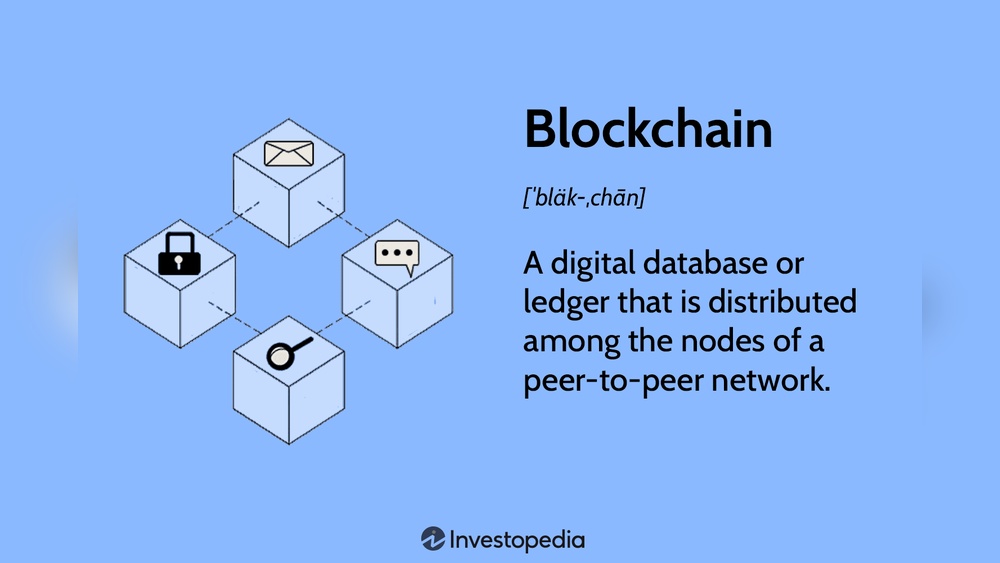
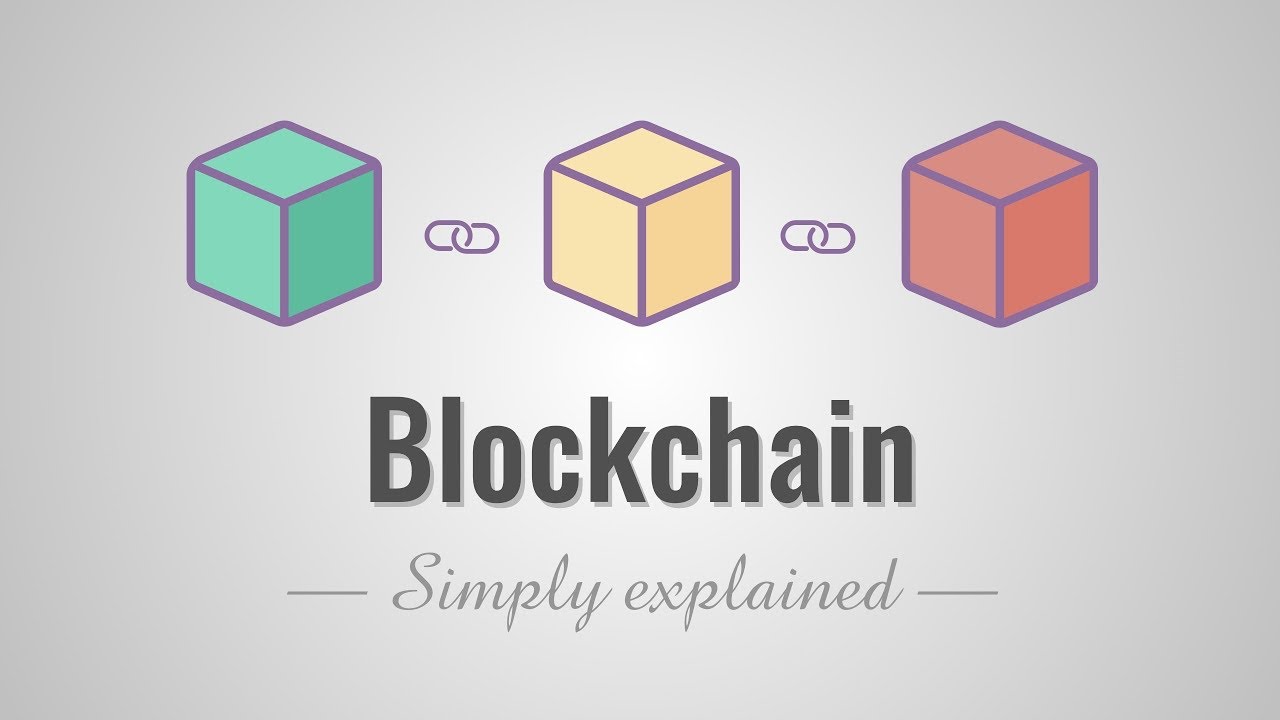
A blockchain is a list of records called blocks. These blocks hold information about transactions or data. Each block links to the one before it, forming a chain. This chain grows over time as new blocks join. The whole system is shared across many computers worldwide.
This sharing makes blockchain decentralized. No single person or group controls it. Everyone on the network has the same copy of the chain. This feature helps prevent fraud and keeps the data trustworthy.
Blocks And Chains
Blocks are like digital containers for data. Each block has several transactions bundled together. After a block fills up, it gets a unique code called a hash. The block also stores the hash of the previous block. This linking creates a chain from the first block to the latest one.
Because each block depends on the previous one, changing old data is very hard. Altering one block breaks the chain. The network will reject any changes that do not fit the chain. This structure protects the blockchain from tampering.
Role Of Cryptography
Cryptography is the science of securing information. Blockchain uses it to protect data and keep it private. Hash functions create unique codes for each block. These codes make blocks easy to verify but hard to change.
Digital signatures prove who created a transaction. They stop others from faking data or stealing identities. Cryptography also helps the network agree on which transactions are valid. This process is called consensus and keeps the blockchain honest.
:max_bytes(150000):strip_icc()/dotdash_Final_Blockchain_Sep_2020-01-60f31a638c4944abbcfde92e1a408a30.jpg)
Credit: www.investopedia.com
Step-by-step Process
Understanding blockchain technology becomes easier by breaking down its process. Each step builds upon the previous one, creating a secure and transparent system. The following sections explain the journey of a transaction through the blockchain.
Transaction Initiation
First, someone starts a transaction. This could be sending cryptocurrency or data. The transaction contains important details like sender, receiver, and amount.
Broadcasting To Network
Next, the transaction is sent to a network of computers called nodes. These nodes spread the transaction information to others in the network. This step ensures everyone is aware of the new transaction.
Transaction Validation
Nodes then check the transaction using set rules. They confirm if the sender has enough funds or if the data is correct. This process is called consensus. Only valid transactions move forward.
Block Creation
Valid transactions are grouped into a block. This block contains many transactions and a unique code called a hash. The block also holds the hash of the previous block, linking them together.
Linking Blocks
The new block connects to the last one using its unique hash. This forms a chain of blocks in chronological order. Changing one block would break this link, making tampering very hard.
Updating The Ledger
Finally, all nodes update their copy of the blockchain. This shared ledger shows the latest transaction history. It keeps the system transparent, secure, and synchronized across the network.
Core Features
Understanding the core features of blockchain helps to see why it stands out. These features make blockchain trustworthy and useful. They work together to keep data safe and clear. Each one plays a key role in the system’s strength and appeal.
Decentralization
Blockchain is not controlled by one person or group. Instead, many computers share control. This stops any single point of failure or control. Every participant has a copy of the entire record. This setup spreads power and reduces risks of manipulation.
Immutability
Once data enters the blockchain, it cannot be changed easily. Each block links to the one before it, forming a chain. Changing one block would break the chain’s link. The network quickly rejects any altered block. This keeps records permanent and reliable.
Transparency
All participants can see the blockchain’s record. This open access builds trust among users. Everyone can verify transactions without needing a middleman. Transparency helps prevent fraud and errors. It creates a clear and open system for all.
Security Measures
Blockchain uses strong cryptography to protect data. Each transaction is encrypted and given a unique code. The network must agree before adding new data. This consensus prevents fraud and unauthorized changes. These security steps keep blockchain safe from attacks.

Credit: www.youtube.com
Consensus Mechanisms
Consensus mechanisms are essential for blockchain networks to agree on the state of the ledger. They ensure all participants validate and record transactions correctly. These mechanisms prevent fraud and keep the network secure without a central authority.
Different blockchains use various consensus methods. Each method balances security, speed, and energy use in distinct ways. Understanding the main types helps grasp how blockchains stay trustworthy.
Proof Of Work
Proof of Work (PoW) requires computers to solve complex puzzles. Miners compete to find a solution first. The winner adds the new block to the chain and earns a reward.
This method uses a lot of computing power and electricity. It makes attacks costly and helps keep the blockchain secure. Bitcoin is the most famous blockchain using PoW.
Proof Of Stake
Proof of Stake (PoS) selects validators based on the amount of cryptocurrency they hold. Those with more coins have higher chances to add the next block. This reduces energy use compared to PoW.
Validators risk losing their coins if they try to cheat. PoS speeds up transaction processing and lowers costs. Ethereum is moving from PoW to PoS for better efficiency.
Other Consensus Types
Many blockchains use different consensus models. Delegated Proof of Stake lets coin holders vote for trusted validators. Practical Byzantine Fault Tolerance works well in private blockchains.
Some use Proof of Authority, where known validators approve transactions. Each type has strengths for specific needs like speed or security. The choice depends on the blockchain’s goals and users.
Real-world Applications
Blockchain technology is no longer just a concept for tech experts. It has many uses in daily life and business. These real-world applications show how blockchain brings security, trust, and efficiency across different fields. Understanding these examples helps to see why blockchain is gaining popularity worldwide.
Cryptocurrency
Cryptocurrency is the most well-known use of blockchain. Digital coins like Bitcoin use blockchain to record every transaction. This system removes the need for banks or middlemen. Transactions become faster and cheaper. The blockchain ensures that no one can spend the same coin twice. It keeps digital money safe and transparent.
Supply Chain
Supply chains are complex and involve many parties. Blockchain helps track products from origin to store shelves. Each step is recorded on the blockchain. This makes it easy to verify the product’s journey. It prevents fraud and counterfeit goods. Companies and customers gain trust by seeing the full history of items.
Healthcare
Patient data is sensitive and must be protected. Blockchain offers a secure way to store medical records. It allows doctors and hospitals to share data safely. Patients control who accesses their information. This reduces errors and improves care quality. Blockchain also helps track medicines to avoid fake drugs.
Voting Systems
Voting needs to be fair and transparent. Blockchain can make elections more secure. It records each vote on a public ledger. This prevents tampering and fraud. Voters can check that their vote was counted. Blockchain voting can increase trust and participation in elections.
Common Misconceptions
Many people have wrong ideas about blockchain technology. These misconceptions can confuse beginners and block clear understanding. Clearing up these myths helps explain how blockchain really works. Here are some common false beliefs about blockchain.
Not Just Bitcoin
Blockchain is often seen as only Bitcoin’s technology. It is true Bitcoin uses blockchain, but blockchain is much more. It can store any data securely and transparently. Many industries like healthcare, finance, and supply chains use blockchain now. It helps track goods, protect identities, and verify contracts. Blockchain is a flexible tool, not just a Bitcoin thing.
Not Completely Anonymous
People think blockchain makes users fully anonymous. It does not. Most blockchains are pseudonymous. This means transactions show wallet addresses, not real names. Anyone can see these addresses and transaction amounts. Experts can sometimes link addresses to real people. Some blockchains offer extra privacy features, but total anonymity is rare. Users should not assume blockchain is a secret hiding place.
Energy Consumption Concerns
Blockchain, especially Bitcoin, is said to waste huge energy. Mining Bitcoin uses powerful computers and lots of electricity. This is a real concern for the environment. Yet, many newer blockchains use less energy methods. Proof of Stake, for example, needs far less power than Bitcoin’s Proof of Work. The blockchain world is working to become more eco-friendly. Not all blockchains drain energy equally.
Future Of Blockchain
The future of blockchain holds vast potential across many industries. Its core features—security, transparency, and decentralization—will remain vital as new challenges arise. The technology must evolve to support more users and complex applications. Innovations aim to make blockchain faster, smarter, and easier to integrate with other tech. Exploring these developments helps us understand where blockchain is headed next.
Scalability Solutions
Current blockchains often face speed and capacity limits. Scalability solutions seek to increase transaction processing without losing security. Layer 2 protocols, like rollups, process data off the main chain. Sharding divides the network into smaller parts to handle more transactions simultaneously. These methods reduce delays and costs. They allow blockchains to support large-scale applications and millions of users.
Integration With Ai
Artificial intelligence can enhance blockchain’s capabilities. AI algorithms analyze blockchain data to detect fraud or predict trends. Smart contracts combined with AI can automate complex decisions. This integration improves efficiency and security. AI also helps manage networks by optimizing resources and identifying vulnerabilities. Together, blockchain and AI create intelligent, self-managing systems.
Emerging Trends
New trends shape blockchain’s growth and adoption. Decentralized finance (DeFi) expands financial services without banks. Non-fungible tokens (NFTs) create unique digital assets and collectibles. Blockchain supports supply chain tracking, ensuring product authenticity. Governments explore blockchain for transparent voting and record keeping. Privacy-focused blockchains protect user data while maintaining openness. These trends show blockchain’s diverse and growing use cases.
Credit: www.youtube.com
Frequently Asked Questions
How Does Blockchain Work In Simple Terms?
Blockchain works by recording transactions in linked blocks stored across many computers. Nodes verify data, ensuring security and transparency without a central authority. Each block contains a unique code connecting it to the previous one, making the chain tamper-resistant and trustworthy for all participants.
How To Explain Blockchain To A Kid?
Blockchain is like a digital notebook shared with many friends. Everyone adds blocks of information in order. Once added, blocks cannot be changed. This keeps information safe and trustworthy without needing a boss or bank.
How Much Is 1 Dollar In Blockchain?
One dollar in blockchain depends on the specific cryptocurrency’s current exchange rate. Blockchain itself has no fixed dollar value.
What Is A Blockchain In One Word?
Blockchain is a decentralized, secure, and immutable digital ledger that records transactions in linked blocks.
Conclusion
Blockchain technology creates a secure, shared digital record. Transactions group into blocks linked by unique codes. Many computers verify and store the data together. This makes the system very hard to change or cheat. Everyone can see the record, building trust among users.
No single person controls the blockchain, so it stays fair. Understanding these basics helps you see how blockchain works. It’s a simple way to keep information safe and clear.