Are you ready to change how you think about money and unlock lasting financial success? Your mindset plays a powerful role in shaping your financial future—more than your income or luck.
Imagine feeling confident about your money decisions, staying calm during setbacks, and building wealth that lasts. This isn’t just a dream; it starts with shifting the way you view money right now. You’ll discover simple yet proven strategies to improve your financial mindset so you can achieve long-term success.
Keep reading—because the way you think today will shape the life you live tomorrow.
Financial Beliefs That Hold You Back
Many people carry financial beliefs that limit their growth. These beliefs often form early in life and shape how you think about money. Changing these ideas can open the door to long-term financial success. Understanding these beliefs helps you take control of your money and your future.
Common Money Myths
Some money myths are very common. For example, the idea that “money is the root of all evil” can create fear around earning. Another myth says “rich people are greedy,” which may cause guilt when you succeed. Thinking “I will never be good with money” stops you from learning. These myths block your path to financial freedom.
Identifying Negative Scripts
Negative scripts are stories you tell yourself about money. They might come from family or past experiences. For instance, believing “I must spend to enjoy life” can lead to debt. Or thinking “saving is impossible for me” keeps you from building wealth. Notice these thoughts and question their truth.
Impact On Financial Decisions
Your beliefs directly affect your money choices. If you fear money, you may avoid budgeting or investing. Feeling unworthy might lead to settling for low-paying jobs. Negative beliefs cause stress and poor money habits. Changing your mindset helps you make smarter, confident financial decisions.
Credit: www.westernsouthern.com
Shifting To A Growth Mindset
Shifting to a growth mindset is key for long-term financial success. It means believing you can improve your money skills through effort and learning. This change helps you face money challenges with a positive attitude. It also encourages you to learn from mistakes and keep moving forward.
Adopting this mindset creates a strong foundation for better money habits. It opens the door to new opportunities and financial growth. Small changes in thinking lead to big changes in your financial life.
Embracing Financial Challenges
Financial challenges are chances to grow, not reasons to quit. Facing difficult money situations builds your confidence. Each challenge teaches you something new about managing money.
Instead of avoiding tough decisions, tackle them head-on. This approach strengthens your skills and prepares you for the future. Challenges help you discover solutions and improve your financial habits.
Learning From Setbacks
Setbacks happen to everyone. They do not mean failure. Use setbacks as lessons to guide your next steps. Reflect on what went wrong and how to fix it.
Changing your view on setbacks helps you stay calm and focused. Each mistake becomes a stepping stone to financial wisdom. This mindset keeps you growing and improving.
Staying Motivated Over Time
Long-term success needs steady motivation. Set clear, small goals to keep your focus strong. Celebrate progress, no matter how small it seems.
Keep reminders of why you want financial growth. Surround yourself with positive influences that support your money mindset. Consistent effort leads to lasting change and financial freedom.
Building Positive Money Habits
Building positive money habits is key to a strong financial mindset. These habits shape how you handle money daily. They lead to better decisions and long-term success. Small, consistent actions build confidence and control over your finances. Focus on habits that support your goals and reduce stress.
Start by reviewing your budget regularly. Understand where your money goes and adjust as needed. Tracking your spending helps spot waste and find saving chances. Set goals that are clear and achievable. This keeps you motivated and focused on progress.
Regular Budget Reviews
Check your budget every week or month. This keeps your finances organized and up to date. Spot areas where you spend too much or can save more. Adjust your budget as your income or expenses change. Regular reviews help avoid surprises and keep spending on track.
Tracking Spending Patterns
Write down every expense for at least a month. This shows where your money really goes. Look for habits that waste money or add no value. Tracking helps you make smarter choices and cut unnecessary costs. Use simple tools like apps or a notebook to record spending.
Setting Realistic Financial Goals
Set clear goals that you can reach step by step. Avoid goals that feel too big or far away. Break big goals into smaller tasks to stay motivated. Realistic goals guide your spending and saving habits. They make progress feel real and keep you on track.

Credit: fastercapital.com
Practicing Mindful Money Management
Practicing mindful money management helps build a strong financial mindset. It means paying close attention to how you handle money every day. Mindful money management encourages thoughtful choices instead of impulsive spending. This approach supports steady growth toward financial goals and long-term success.
Aligning Spending With Values
Spending money based on personal values creates satisfaction and purpose. When your purchases reflect what matters most, you feel more content. This habit reduces waste and helps you save for important goals. Take time to identify your core values. Use them as a guide before making financial decisions.
Resisting Social Pressures
Social pressure often pushes people to spend beyond their means. Advertising and peer influence create a false need for new things. Learning to say no protects your budget and peace of mind. Focus on what you truly need, not what others expect. Building confidence in your choices strengthens your financial mindset.
Planning For The Future
Planning money wisely today secures your tomorrow. Setting clear goals helps prioritize saving and investing. Break big goals into smaller, manageable steps. Regularly review your progress to stay motivated. Preparing for emergencies and retirement reduces financial stress. A future-focused plan supports lasting financial well-being.
Using Tools To Reinforce Mindset
Using tools to reinforce your financial mindset helps build strong habits. These tools guide your thoughts and actions toward better money management. They also keep you motivated and focused on long-term success. Simple exercises, reliable resources, and tracking methods make a big difference. They create consistency and deepen your understanding of money.
Money Mindset Exercises
Try daily affirmations to encourage positive beliefs about money. Write down your financial goals and repeat them each morning. Visualize yourself reaching those goals with confidence. Practice gratitude for what you have now. This shifts your focus from lack to abundance. Journaling about your money feelings helps uncover hidden fears or doubts. Use prompts like “What money means to me” or “How I handle challenges.” These exercises train your brain to think differently and act wisely.
Reading And Learning Resources
Books and articles offer valuable lessons on money mindset. Choose simple guides that explain concepts clearly. Listen to podcasts or watch videos about personal finance. Learning from experts builds your knowledge and confidence. Pick resources that match your level and interests. Reading success stories inspires you to stay committed. Keep notes of key points to review later. This steady learning grows your financial wisdom over time.
Tracking Progress And Rewards
Track your spending, saving, and investing regularly. Use apps or spreadsheets to see your progress clearly. This awareness helps you stay on course and adjust habits. Set small goals and reward yourself when you reach them. Rewards motivate continued effort and celebrate success. Choose simple treats like a favorite meal or a break. Tracking and rewarding make the process enjoyable and real. They turn abstract goals into concrete achievements.
Overcoming Emotional Barriers
Emotional barriers often block the path to a strong financial mindset. Fear, doubt, and stress can cloud judgment. These feelings limit your ability to plan and save for the future. Overcoming such barriers is key to long-term financial success. Understanding and managing emotions helps you make clear decisions.
This section explores practical ways to face these challenges. It shows how to handle financial anxiety, build confidence, and seek support. These steps create a foundation for a healthier relationship with money.
Managing Financial Anxiety
Financial anxiety can feel overwhelming and paralyzing. Start by recognizing what triggers your worry. Write down your fears to see them clearly. Break your money problems into smaller parts. Focus on one issue at a time to reduce stress. Practice deep breathing or meditation to calm your mind. Regularly review your budget to feel more control. Small actions build a sense of security over time.
Building Confidence Through Small Wins
Confidence grows with each small financial success. Set easy goals like saving a little money each week. Celebrate when you meet these targets. Tracking progress motivates you to keep going. Avoid comparing yourself to others. Your journey is unique and personal. Over time, these wins create strong habits. Confidence makes tough money choices easier.
Seeking Support When Needed
Talking about money can be hard but helpful. Share your concerns with friends or family you trust. Join groups focused on financial learning and growth. Professional advice from financial counselors can guide you. Support offers new perspectives and encouragement. It reduces feelings of isolation. Reaching out strengthens your ability to manage money wisely.
Long-term Strategies For Success
Building a strong financial mindset requires consistent long-term strategies. These strategies help create lasting wealth and financial security. Focus on habits that grow your money steadily over time. Avoid quick fixes or risky shortcuts. Stay patient and disciplined with your money decisions.
Saving And Investing Habits
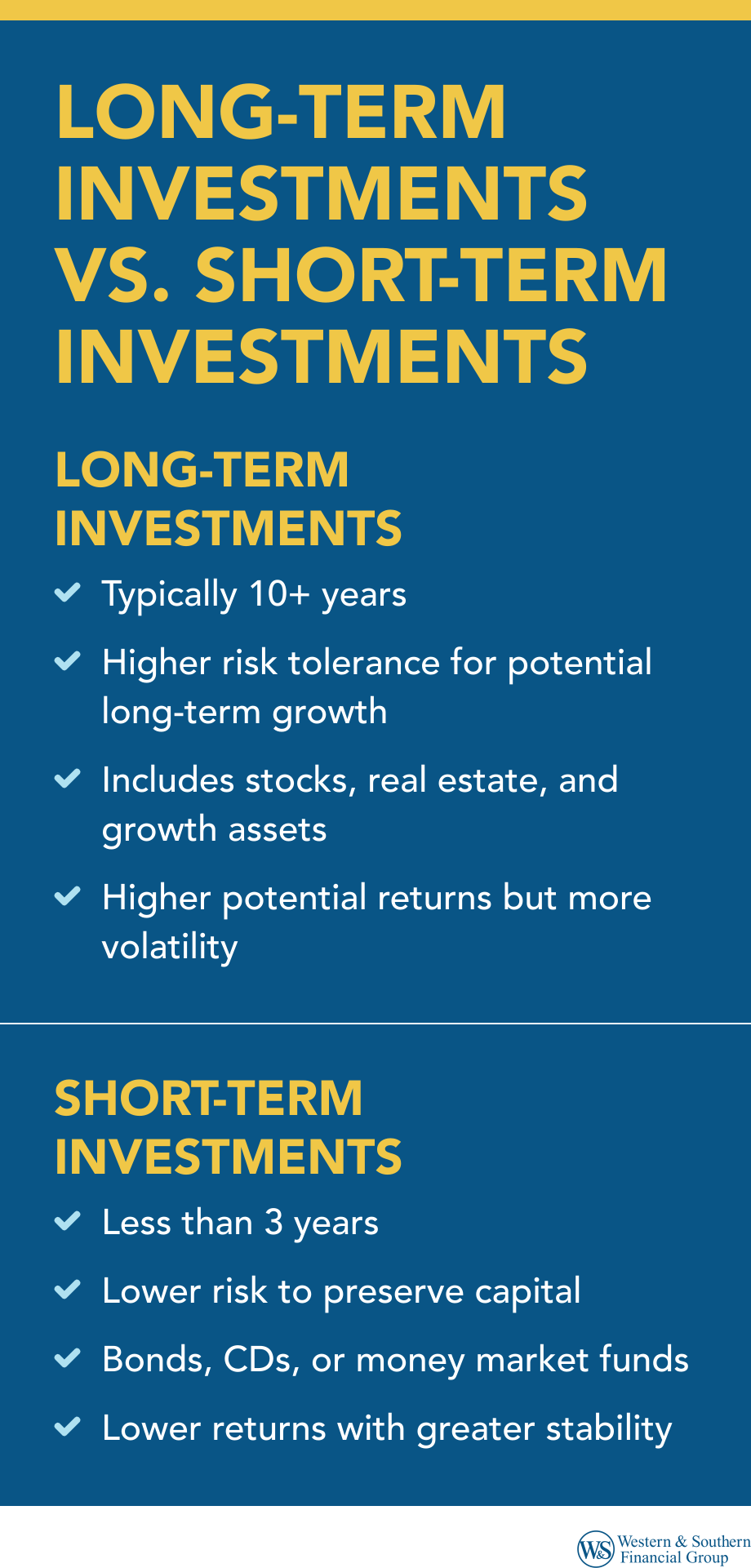
Regular saving is the foundation of financial success. Set aside a fixed amount from each paycheck. Use automatic transfers to make saving easy and consistent. Start investing early to benefit from compound growth. Choose low-cost, diversified investments to reduce risk. Keep learning about investing to make smarter choices. Small amounts saved and invested today can grow big tomorrow.
Avoiding Instant Gratification
Resist the urge to spend money immediately on wants. Instant gratification can harm your financial goals. Pause before making purchases and ask if it is necessary. Focus on long-term rewards rather than short-term pleasures. Delay spending to build better financial habits. This mindset helps protect savings and investments from impulsive drains.
Adjusting Plans As Life Changes
Life is full of unexpected changes that affect finances. Review your financial plans regularly to stay on track. Adapt your budget and goals when income or expenses change. Be flexible with investments during market ups and downs. Adjusting your plans keeps your financial mindset strong. This ensures steady progress despite life’s surprises.

Credit: www.amazon.com
Frequently Asked Questions
What Is A Financial Mindset And Why Is It Important?
A financial mindset is your attitude and beliefs about money. It shapes your spending, saving, and investing habits. Developing a positive financial mindset helps you make smarter decisions and achieve long-term financial success.
How Can I Shift To A Positive Financial Mindset?
Start by identifying limiting money beliefs. Replace negative thoughts with positive affirmations. Set clear financial goals and practice gratitude. Consistent effort leads to improved confidence and better money management.
What Habits Improve A Financial Mindset For Success?
Track your income and expenses regularly. Budget wisely and avoid impulsive purchases. Invest in financial education and plan for the future. These habits reinforce discipline and promote sustainable wealth building.
Why Does Mindset Matter More Than Income?
A strong financial mindset drives smart decisions regardless of income. It encourages saving, investing, and managing debt effectively. Without it, even high earners can struggle financially.
Conclusion
Improving your financial mindset takes time and effort. Small changes in thinking lead to big results. Stay patient and practice healthy money habits daily. Focus on learning and growing your financial knowledge. Remember, your mindset shapes your financial future. Keep a positive attitude toward money challenges.
Success comes from consistent actions and smart decisions. Embrace this journey to build lasting financial well-being.