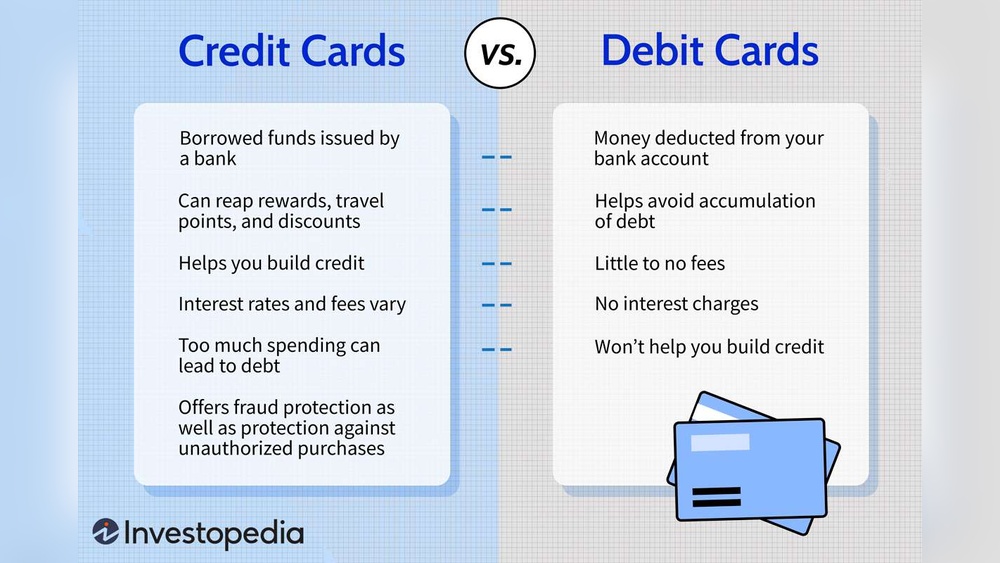
Starting your financial journey with the right credit card can make all the difference. If you’re a student, finding a credit card that helps build your credit without adding extra costs is key.
You want a card that offers value, flexibility, and no annual fees eating into your budget. Imagine having a credit card that supports your spending needs, rewards you for responsible use, and keeps your costs low—all without surprise charges. You’ll discover the top student credit cards with zero annual fees, designed to help you take control of your finances and set a strong foundation for your future.
Keep reading to find the perfect card that fits your lifestyle and financial goals.
Top Student Credit Cards
Choosing the right credit card as a student is important. It helps build credit history and manage money wisely. Many cards offer zero annual fees, making them budget-friendly for students.
These cards often come with rewards and benefits that support student life. Understanding the key features and advantages can help pick the best card for your needs.
Key Features To Consider
Look for cards with no annual fees to avoid extra costs. Check if the card reports to major credit bureaus to build credit. A low interest rate helps reduce charges on balances.
Rewards programs can offer cash back or points on everyday spending. Some cards provide tools to track and manage your spending easily. A simple application process is ideal for students new to credit.
Benefits Of No Annual Fee Cards
No annual fee cards save money over time. Students can use the card without worrying about yearly costs. This is helpful when budgets are tight or income is limited.
These cards encourage responsible credit use without the pressure of fees. They allow students to focus on building credit safely. Many also offer perks like fraud protection and access to credit education resources.
Best Zero Fee Cards Of 2025
Choosing the right student credit card can help build credit without extra costs. Zero annual fee cards keep expenses low while offering useful benefits. These cards fit a student budget and lifestyle in 2025. They help manage money and earn rewards on everyday spending.
Discover It® Student Cash Back
This card offers 5% cash back on rotating categories each quarter. All other purchases earn 1% cash back. It matches all the cash back earned in the first year. No annual fee makes it affordable for students. Reports to all three credit bureaus to help build credit history.
Capital One® Savorone Rewards
Earn unlimited 3% cash back on dining, entertainment, and popular streaming services. Also, 1% cash back on all other purchases. No annual fee and no foreign transaction fees. Ideal for students who enjoy eating out and streaming. Easy to manage with a mobile app.
Bank Of America® Travel Rewards
Offers 1.5 points per dollar on all purchases. No annual fee and no foreign transaction fees. Points can be redeemed for travel expenses or statement credits. Good for students who plan to travel or study abroad. Simple rewards system without category restrictions.
Chase Freedom Student Card
Earn 1% cash back on all purchases. A $50 bonus after first purchase with account open at least six months. No annual fee and no foreign transaction fees. Provides access to a higher credit line after making five monthly payments on time. Helps build credit with responsible use.
Rewards And Perks
Student credit cards with zero annual fees offer more than just savings on yearly costs. They provide rewards and perks that help students make the most of their spending. These benefits include cash back, travel bonuses, and special introductory offers. Choosing the right card can add value to everyday purchases and support financial growth.
Cash Back Offers
Many student cards give cash back on common purchases like groceries and gas. This means students earn a small percentage back on their spending. Some cards offer higher cash back for specific categories. These rewards add up over time and help stretch a student’s budget.
Travel And Dining Rewards
Travel and dining rewards appeal to students who enjoy exploring or eating out. Certain cards reward points or cash back on restaurants and travel expenses. These perks make trips and meals more affordable. Some cards also include no foreign transaction fees, which is great for study abroad programs.
Introductory Bonuses
Introductory bonuses are common with student credit cards. They provide extra rewards after spending a set amount in the first few months. These bonuses give students a quick boost in points or cash back. This benefit encourages responsible spending and helps build credit early.

Credit: www.discover.com
Building Credit As A Student
Building credit as a student is an important step toward financial independence. Establishing a good credit record early helps secure better loan rates later. It also makes renting apartments and applying for jobs easier. Student credit cards with zero annual fees offer a simple way to start this process without extra costs.
Using these cards responsibly teaches money management skills. Paying bills on time and keeping balances low improve credit health. This foundation supports future financial goals and builds trust with lenders.
Importance Of Credit History
Credit history shows how you handle borrowed money. Lenders use it to decide if they can trust you. A strong credit history means lower interest rates and better offers. It also helps when you want to buy a car or a home. Without credit history, many financial opportunities stay out of reach. Starting early as a student gives you a head start.
How These Cards Help Credit Scores
Student credit cards report your payment activity to credit bureaus. Regular, on-time payments boost your credit score. Keeping your card balance low compared to your limit also helps. Many cards offer tools to track spending and payment reminders. These features guide students to build credit safely. Zero annual fees mean no cost for learning these habits.
Eligibility And Application Tips
Understanding eligibility and following the right application tips can improve your chances of getting a student credit card with zero annual fees. Each card has specific rules about who can apply and what information is needed. Preparing your application carefully helps you avoid delays and increases approval chances.
Here are key points to consider before applying for a student credit card.
Credit Score Requirements
Most student credit cards require a fair or good credit score. Scores typically start at 600 or higher for approval. Some cards accept lower scores or none at all, especially those designed for beginners. Checking your credit score beforehand helps you choose the right card. Improving your score before applying can lead to better offers.
Income And Employment Considerations
Credit card issuers want to see that you have some income to repay what you spend. This income can come from a part-time job, allowance, or scholarships. Many student cards have low minimum income requirements. Being employed or having a steady income stream strengthens your application. If you have no income, some cards allow you to add a co-signer or provide proof of financial support.
Applying With No Credit History
Many students have no credit history when applying. Some cards are made for first-timers and do not require prior credit. You can build credit by using the card responsibly and paying bills on time. Adding a trusted family member as an authorized user can also help you start your credit journey. Always provide accurate information and be honest on your application.

Credit: wallethub.com
Managing Your Student Card
Managing your student credit card wisely helps build a strong credit history. Smart habits now make future borrowing easier. It also prevents debt and fees. Learning to control your card is a key step in financial independence.
Use your card for small purchases you can pay off quickly. Track every expense to avoid surprises. Keep your credit goals clear and stay disciplined.
Avoiding Common Mistakes
Never spend more than you can repay. Avoid maxing out your card limit. Ignoring your statements leads to missed payments and fees. Do not treat your card as extra cash. Keep a budget to control your spending.
Paying On Time
Set reminders for your payment due dates. Late payments harm your credit score. Pay at least the minimum amount due every month. Paying early avoids interest charges. Automatic payments can help you never miss a bill.
Keeping Utilization Low
Use less than 30% of your credit limit. High utilization signals risk to lenders. Low usage boosts your credit score. Pay off balances before the statement date if possible. Monitor your credit card balance regularly.
Comparing Student Cards
Choosing the right student credit card requires careful comparison. Each card offers different terms and benefits. Understanding these details helps students pick a card that fits their needs. Below, we explore key factors to consider when comparing student cards.
Interest Rates And Fees
Interest rates vary widely among student credit cards. Some cards offer low rates to help reduce borrowing costs. Others may have higher rates but no annual fees. Watch for hidden fees like late payment charges or foreign transaction fees. Zero annual fees save money each year. Compare the APR and other fees before deciding.
Customer Service And Support
Good customer service is crucial for students new to credit cards. Look for companies with 24/7 support via phone, chat, or email. Helpful service can resolve issues quickly and prevent stress. Some issuers provide educational resources for managing credit. Customer support quality impacts overall satisfaction with the card.
Additional Cardholder Benefits
Extra benefits add value beyond basic credit use. Rewards programs, such as cash back or points, are common perks. Some cards offer discounts on textbooks or streaming services. Fraud protection and purchase alerts increase security. These benefits make a card more useful and enjoyable for students.
Alternatives To Zero Fee Cards
Zero annual fee student credit cards suit many beginners. Yet, some students may benefit from other types of cards. These alternatives offer unique advantages that zero-fee cards might not have. Choosing the right card depends on personal needs and financial goals.
Cards With Annual Fees But Higher Rewards
Some student cards charge a yearly fee but offer better rewards. These cards often provide higher cashback or points on purchases. The extra rewards can offset the fee if you spend enough. This type suits students who use their cards often. Rewards may include travel points, dining perks, or extra cash back.
Credit Union Student Cards
Credit unions offer student cards with low fees and good terms. These cards often have lower interest rates than big banks. Many credit unions provide personalized service and financial education. They may approve students with limited credit history. Joining a credit union can build a strong credit foundation.
Secured Credit Cards For Beginners
Secured cards require a cash deposit as collateral. They help students with no credit or bad credit build history. The deposit usually equals the credit limit. Using a secured card responsibly improves your credit score. After some months, you may upgrade to an unsecured card. Secured cards are a safe start for credit building.

Credit: dolpages.com
Frequently Asked Questions
What Are The Best Student Credit Cards With Zero Annual Fees?
The best student credit cards with zero annual fees offer rewards, low interest, and credit-building benefits. Popular options include Discover it® Student Cash Back and Capital One® SavorOne for Students.
How Can Zero Annual Fee Cards Benefit Students?
Zero annual fee cards save students money by eliminating yearly charges. They help build credit without extra costs, making them ideal for managing finances responsibly during college.
Are Student Credit Cards Without Annual Fees Easy To Qualify For?
Yes, many zero annual fee student credit cards are designed for beginners. They often require proof of enrollment and a steady income or a co-signer, making approval more accessible.
Can Student Credit Cards With No Fees Help Build Credit History?
Absolutely. Using these cards responsibly, like paying on time and keeping balances low, helps students build a positive credit history for future financial needs.
Conclusion
Choosing a student credit card without an annual fee saves money and builds credit. These cards offer rewards and help manage spending wisely. Use credit responsibly to avoid debt and improve your credit score. Compare options to find one that fits your needs best.
Start with a no-fee card and gain financial confidence. Smart choices today lead to better financial habits tomorrow. Keep learning and stay in control of your finances.