
You’ve probably heard that crypto mining is bad for the environment. Maybe you’ve even worried that your interest in cryptocurrencies is harming the planet.
But how much of what you’ve heard is true? The environmental impact of crypto mining is often misunderstood and clouded by myths. You’ll discover the real facts behind those claims. By the end, you’ll see the full picture—what’s harmful, what’s not, and what’s being done to make crypto greener.
Ready to separate fact from fiction? Let’s dive in.
Crypto Mining Energy Use
Crypto mining uses a lot of energy to solve complex math problems. This process helps keep cryptocurrencies secure and running. Many people worry about the energy it consumes and its effect on the environment. Understanding where this energy comes from and how it compares to other industries can clear up some common myths.
Sources Of Energy
Crypto mining plants use different types of energy sources. Some rely on renewable energy like wind, solar, or hydro power. Others use fossil fuels such as coal and natural gas. The mix depends on location and cost. Many miners choose places with cheap electricity, often from renewable sources. This choice helps reduce the carbon footprint of mining operations.
Comparison With Other Industries
Crypto mining’s energy use is often compared to other industries. For example, data centers, banks, and gold mining also consume large amounts of energy. Some reports show crypto mining uses less energy than these sectors. The key is to see the full picture, not just one part. Many industries work on using cleaner energy and improving efficiency.

Credit: www.coinbase.com
Common Myths About Crypto Mining
Crypto mining often faces many myths about its environmental impact. These myths can create confusion and fear. Let’s clear up some common misunderstandings. Understanding the truth helps to see the real effects of crypto mining on the environment.
Crypto Mining Wastes Energy
Many believe crypto mining uses too much energy without any benefit. It is true that mining needs power. Still, many miners use energy efficiently. They often set up in places with cheap, clean energy. This reduces waste and helps the environment.
Only Fossil Fuels Are Used
People think crypto mining depends only on coal or oil. This is not always true. Some miners use renewable energy like wind and solar. Using green energy lowers harmful emissions. The mix of energy sources varies by location.
Crypto Mining Causes Deforestation
Another myth says mining destroys forests. Mining mostly happens in data centers or buildings. These places do not clear forests for mining. So, crypto mining does not cause deforestation directly.
Actual Environmental Effects
Crypto mining has gained attention for its environmental impact. Many people have strong opinions about its effects on nature. The truth is more complex than most believe. Understanding the actual effects helps separate myths from reality. This section covers the main environmental aspects of crypto mining.
Carbon Footprint Analysis
Crypto mining uses a lot of electricity. The source of this energy affects its carbon footprint. Mining farms powered by coal or gas produce more emissions. Renewable energy sources reduce the carbon impact significantly. Some miners locate near hydroelectric or solar plants. The overall carbon footprint varies by region and energy mix. Studies show crypto mining accounts for a small percentage of global emissions.
E-waste Generation
Mining requires specialized hardware called ASICs or GPUs. These devices become obsolete quickly. Upgrading hardware creates electronic waste. E-waste contains harmful materials like lead and mercury. Improper disposal can harm soil and water. Recycling programs exist but are not widespread. The scale of e-waste from crypto mining is growing. It remains smaller compared to other electronics sectors.
Water Usage In Mining
Cooling mining hardware needs water in some setups. Large mining farms use water for cooling systems. This water use can stress local water supplies. Many miners use air cooling to reduce water needs. Water use depends on climate and technology choices. It is less significant than water use in traditional industries. Monitoring water impact is important for sustainable mining practices.

Credit: www.sazmining.com
Efforts To Reduce Impact
Crypto mining uses a lot of energy and affects the environment. Many efforts aim to lower this impact. These efforts focus on cleaner energy, better technology, and laws to control mining activities.
Renewable Energy Adoption
Many crypto miners choose renewable energy sources. Solar, wind, and hydro power reduce carbon emissions. These energy forms are clean and sustainable. Using them helps cut down the mining carbon footprint. Some mining farms are built near renewable energy plants. This strategy lowers energy costs and environmental harm.
Energy-efficient Technologies
New mining machines use less electricity but work faster. These devices improve energy efficiency and reduce waste. Innovations in cooling systems also save power. Efficient hardware means less heat and longer machine life. Software updates help miners optimize power use too. Together, these technologies make mining greener and cheaper.
Regulatory Measures
Governments set rules to limit mining energy use. Some regions require miners to use clean energy. Others impose taxes on high energy consumption. Laws encourage miners to adopt greener practices. These policies push the industry toward sustainability. They also protect local communities from pollution.
Future Trends In Crypto Mining
The future of crypto mining is shifting towards cleaner, smarter methods. Rising energy concerns push the industry to find better ways. New trends show a move from old models to eco-friendly options. These changes aim to reduce the environmental impact and make mining more sustainable.
Proof Of Stake And Alternatives
Proof of Stake (PoS) uses less energy than Proof of Work. It replaces power-hungry mining machines with a system of validators. This method requires users to hold coins as a stake. It cuts down electricity use drastically. Other alternatives like Proof of Authority and Delegated Proof of Stake also save energy. These new models aim to keep blockchains secure with less harm to the planet.
Geographical Shifts In Mining
Crypto mining is moving to places with cheap, clean energy. Countries with abundant hydro, solar, or wind power attract miners. This shift lowers the carbon footprint of mining farms. Some regions offer cooler climates, reducing the need for extra cooling. These moves help balance energy use and environmental care. The mining landscape is becoming more global and green.
Innovations In Sustainability
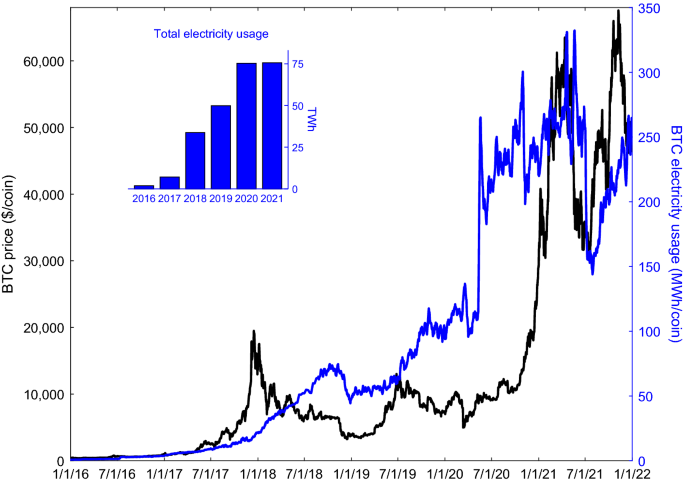
New technologies help mining become more sustainable. Efficient hardware uses less electricity for the same work. Some farms recycle heat from mining machines to warm buildings. Renewable energy sources like solar panels power mining operations. Smart energy management systems optimize power use. These innovations show how mining can grow without harming nature.
Credit: www.nature.com
Frequently Asked Questions
What Is The Real Environmental Impact Of Crypto Mining?
Crypto mining consumes significant electricity, mainly from fossil fuels. However, many miners use renewable energy, reducing its carbon footprint. The actual impact varies by location and energy source, making broad claims often misleading.
Does Crypto Mining Use More Energy Than Traditional Banking?
Crypto mining can use more energy than traditional banking due to its decentralized nature. However, banking also consumes energy through branches and data centers. Comparing both requires considering energy efficiency and purpose.
Can Renewable Energy Power Crypto Mining Effectively?
Yes, renewable energy can power crypto mining efficiently. Many mining farms use solar, wind, or hydroelectric power. This shift helps reduce carbon emissions and makes crypto mining more sustainable.
Are Crypto Mining Environmental Myths Exaggerated?
Some crypto mining environmental concerns are exaggerated. Myths often ignore renewable energy use and improvements in mining efficiency. Understanding facts helps balance the environmental narrative around crypto mining.
Conclusion
Crypto mining’s environmental impact is often misunderstood. Some believe it always harms nature. Others think it is fully green. The truth lies somewhere in between. Energy use depends on mining methods and locations. Renewable energy can reduce harm a lot.
New technology helps make mining cleaner. Awareness and smart choices matter most for the future. Keep learning and stay curious about this evolving topic. Balance and facts guide us toward better solutions.