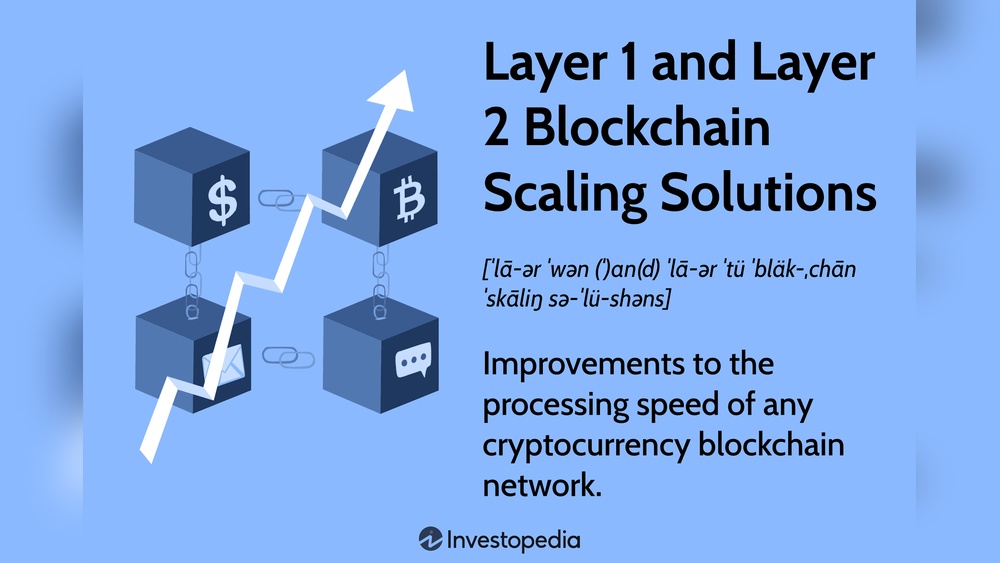
Are you curious about how blockchains work and why some are faster or more efficient than others? Understanding the difference between Layer 1 and Layer 2 blockchains can clear up a lot of confusion.
This knowledge can help you make smarter decisions whether you’re investing, developing, or just exploring the crypto space. Keep reading, and you’ll discover how these layers impact speed, security, and your overall experience with blockchain technology. Don’t miss out—knowing this could change how you see the entire blockchain world.
Layer 1 Blockchains
Layer 1 blockchains form the foundation of the blockchain world. They are the base networks where all transactions and smart contracts occur. Examples include Bitcoin and Ethereum. These blockchains operate independently and handle their own security and data processing.
Understanding Layer 1 blockchains helps explain how blockchain technology works at its core. Their features set the stage for other solutions like Layer 2 to build upon.
Core Protocol Features
Layer 1 blockchains have a set of rules called protocols. These rules manage how data is stored and shared. They define the structure for transactions, blocks, and network nodes. The protocol ensures the blockchain runs smoothly and fairly.
It also controls how new coins are created. Some blockchains have fixed supplies, while others create coins as rewards for miners or validators. These features impact the blockchain’s security and usability.
Consensus Mechanisms
Consensus mechanisms help the network agree on the state of the blockchain. They prevent fraud and double-spending. Proof of Work (PoW) and Proof of Stake (PoS) are common types.
PoW requires miners to solve puzzles to add new blocks. PoS lets validators create blocks based on their stake in the network. Each method has pros and cons, affecting speed, security, and energy use.
Scalability Challenges
Layer 1 blockchains often face scalability issues. They can only process a limited number of transactions per second. When many users join, the network slows down.
High demand leads to higher fees and longer wait times. This limits the blockchain’s ability to support large-scale applications. Finding ways to improve scalability remains a key focus for developers.

Credit: www.quytech.com
Layer 2 Blockchains
Layer 2 blockchains are built on top of existing Layer 1 blockchains. They help improve the speed and reduce transaction costs. Layer 2 solutions handle many transactions off the main chain. This approach eases the load on Layer 1, making the whole system more efficient.
Users can enjoy faster and cheaper transactions. At the same time, the security of the main blockchain remains intact. Layer 2 is vital for scaling blockchain networks to support more users.
Purpose And Functionality
Layer 2 blockchains focus on increasing transaction speed. They also lower fees by processing transactions off-chain. This reduces congestion on the main blockchain. Layer 2 handles tasks like payments and smart contracts efficiently. It batches multiple transactions before settling on Layer 1. This method keeps the system fast and affordable. Users get a smoother experience without sacrificing security.
Popular Layer 2 Solutions
Several Layer 2 solutions are popular in the blockchain world. The Lightning Network is widely used for Bitcoin. It allows instant, low-cost payments. For Ethereum, solutions like Optimistic Rollups and zk-Rollups stand out. They bundle many transactions and submit proofs to Layer 1. These solutions improve scalability without compromising security. Other examples include Plasma and sidechains, each with unique features.
Security Considerations
Layer 2 relies on the security of Layer 1 blockchains. However, there are extra risks to consider. Some Layer 2 solutions depend on honest participants for finalizing transactions. This can create vulnerabilities if bad actors interfere. Users must understand the specific security model of each Layer 2. Choosing well-tested and audited solutions reduces risks. Overall, Layer 2 offers a good balance between speed and safety.
Key Differences
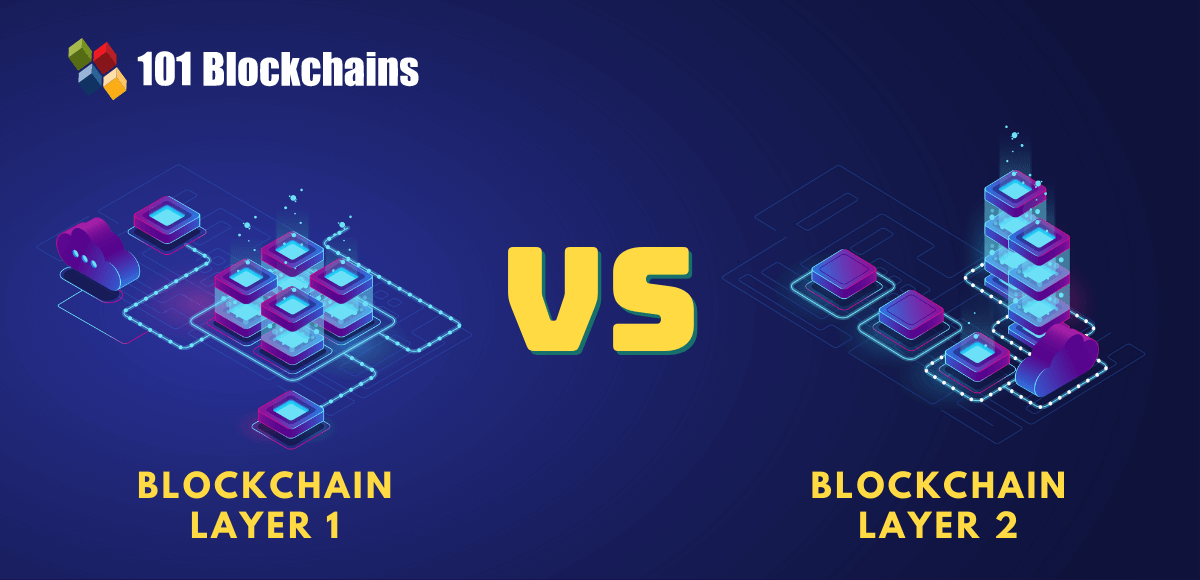
Understanding the key differences between Layer 1 and Layer 2 blockchains helps clarify their roles. Both aim to improve blockchain technology but do so in distinct ways. Knowing these differences helps users and developers choose the right solution for their needs.
Performance And Speed
Layer 1 blockchains handle transactions on the main network. Their speed depends on the core protocol and consensus method. Many Layer 1 chains face slow speeds during high demand. Layer 2 solutions work on top of Layer 1 to boost speed. They process transactions off the main chain, reducing delays. This allows faster confirmation times and higher transaction throughput.
Transaction Costs
Transaction fees on Layer 1 blockchains can be high. Fees rise with network congestion and demand. Layer 2 reduces costs by bundling many transactions together. Users pay less because fewer transactions hit the main chain. This makes small or frequent transactions more affordable. Lower fees encourage more activity on the blockchain.
Decentralization Impact
Layer 1 blockchains maintain full decentralization by design. All nodes validate transactions equally. Layer 2 solutions may trade some decentralization for speed and cost. They rely on fewer validators or special protocols. This can create some central points of trust. Still, Layer 2 keeps security by anchoring to Layer 1. The balance between decentralization and efficiency varies by project.
Credit: 101blockchains.com
Use Cases And Applications
Blockchains serve many purposes, and each layer offers unique benefits. Layer 1 and Layer 2 blockchains have different strengths for various applications. Understanding their use cases helps choose the right technology for a project.
Layer 1 Use Cases
Layer 1 blockchains are the base networks like Bitcoin and Ethereum. They provide security and decentralization. Many financial transactions happen on these networks. People use Layer 1 for creating and trading cryptocurrencies. Smart contracts run directly on Layer 1 chains. Decentralized apps (dApps) also operate here. These blockchains support digital identity verification and voting systems. They are ideal for projects needing strong security and trust.
Layer 2 Use Cases
Layer 2 solutions work on top of Layer 1 blockchains. They help increase speed and reduce fees. Payments and microtransactions benefit from Layer 2. These networks are great for gaming and real-time applications. Layer 2 supports instant token swaps and high-frequency trades. They also improve scalability for popular dApps. Users get faster and cheaper transactions without losing security. Layer 2 is useful for projects needing quick responses and low costs.
Future Trends
The future of blockchains holds many exciting changes. Layer 1 and Layer 2 technologies will both see strong growth. These changes aim to make blockchains faster, cheaper, and easier to use. Understanding these trends helps us see where blockchain technology is heading.
Both layers will work together to improve the whole ecosystem. The focus will be on solving current issues like speed and cost. Let’s explore the main future trends for Layer 1 and Layer 2 blockchains and their connection.
Layer 1 Innovations
Layer 1 blockchains continue to improve their core networks. New consensus methods use less energy and increase speed. Many projects focus on scaling without losing security. Some blockchains add smart contract features to support more apps. These innovations help Layer 1 blockchains handle more users and transactions. They also aim to reduce fees and delays.
Layer 2 Developments
Layer 2 solutions grow to support Layer 1 networks better. They process transactions off the main chain to reduce congestion. Rollups and sidechains become more common and efficient. These developments lower costs and make blockchain apps faster. Layer 2 tools also improve user experience by simplifying complex processes. This helps more people join the blockchain world.
Interoperability Prospects
Interoperability is a key focus for future blockchain growth. It allows different blockchains to communicate and share data easily. This creates a unified network of blockchains working together. Cross-chain bridges and protocols are developing quickly. These tools help users move assets and information smoothly. Interoperability will make blockchains more useful and connected.

Credit: secuxtech.com
Frequently Asked Questions
What Is The Main Difference Between Layer 1 And Layer 2?
Layer 1 is the base blockchain network, like Ethereum or Bitcoin. Layer 2 is built on top to improve speed and scalability. Layer 2 reduces congestion by processing transactions off the main chain.
How Does Layer 2 Improve Blockchain Scalability?
Layer 2 handles transactions off the main blockchain, reducing load. It batches transactions and settles them on Layer 1 later. This approach increases transaction speed and lowers fees while maintaining security.
Can Layer 2 Blockchains Operate Independently?
No, Layer 2 depends on Layer 1 for security and final transaction confirmation. It enhances Layer 1’s capabilities but cannot function as a standalone blockchain.
Are Layer 1 Upgrades Enough For Scaling?
Layer 1 upgrades improve scalability but have limits due to decentralization. Layer 2 solutions complement Layer 1 by offloading transactions, offering faster and cheaper processing.
Conclusion
Layer 1 and Layer 2 blockchains serve different purposes. Layer 1 builds the main blockchain network. Layer 2 works on top to improve speed and reduce costs. Both are important for blockchain growth. Choosing the right layer depends on your needs.
Understanding their differences helps make smart decisions. Blockchain technology keeps evolving every day. Stay curious and keep learning.