Imagine your smart contract making decisions based on real-world events—like the weather, stock prices, or sports scores—without you lifting a finger. Sounds powerful, right?
But how does it actually get that real-world information? That’s where oracles come in. If you want to understand how your smart contracts can interact with the outside world safely and reliably, you need to know the role of oracles.
Keep reading, and you’ll discover why oracles are the key to unlocking the full potential of smart contracts and how they can transform your digital agreements.
Credit: www.codezeros.com
Smart Contracts And Their Limits
Smart contracts automate agreements on a blockchain. They execute actions based on coded rules. These contracts remove the need for middlemen. Their automatic nature saves time and reduces errors. Yet, smart contracts have clear limits. They cannot access data outside the blockchain on their own.
This limitation affects their usefulness. Many contracts depend on real-world information. Prices, weather, or event outcomes often trigger contract actions. Without external data, contracts cannot respond accurately.
How Smart Contracts Work
Smart contracts run on blockchain networks. They follow a set of if-then rules. When conditions in the code match, the contract executes. For example, a contract might release payment after delivery confirmation. This process is fast and transparent. No human intervention is needed once deployed.
Challenges Without External Data
Smart contracts cannot fetch outside information by themselves. This makes it hard to use them for many tasks. They rely only on data inside the blockchain. Without real-world data, contracts may fail or act wrongly. For example, a contract that pays based on weather needs accurate weather data. Without this, the contract cannot work properly.
This is where oracles play a role. Oracles bring outside information into the blockchain. They provide data that smart contracts need to function fully. Without oracles, smart contracts have limited use in real-world cases.
What Are Oracles?
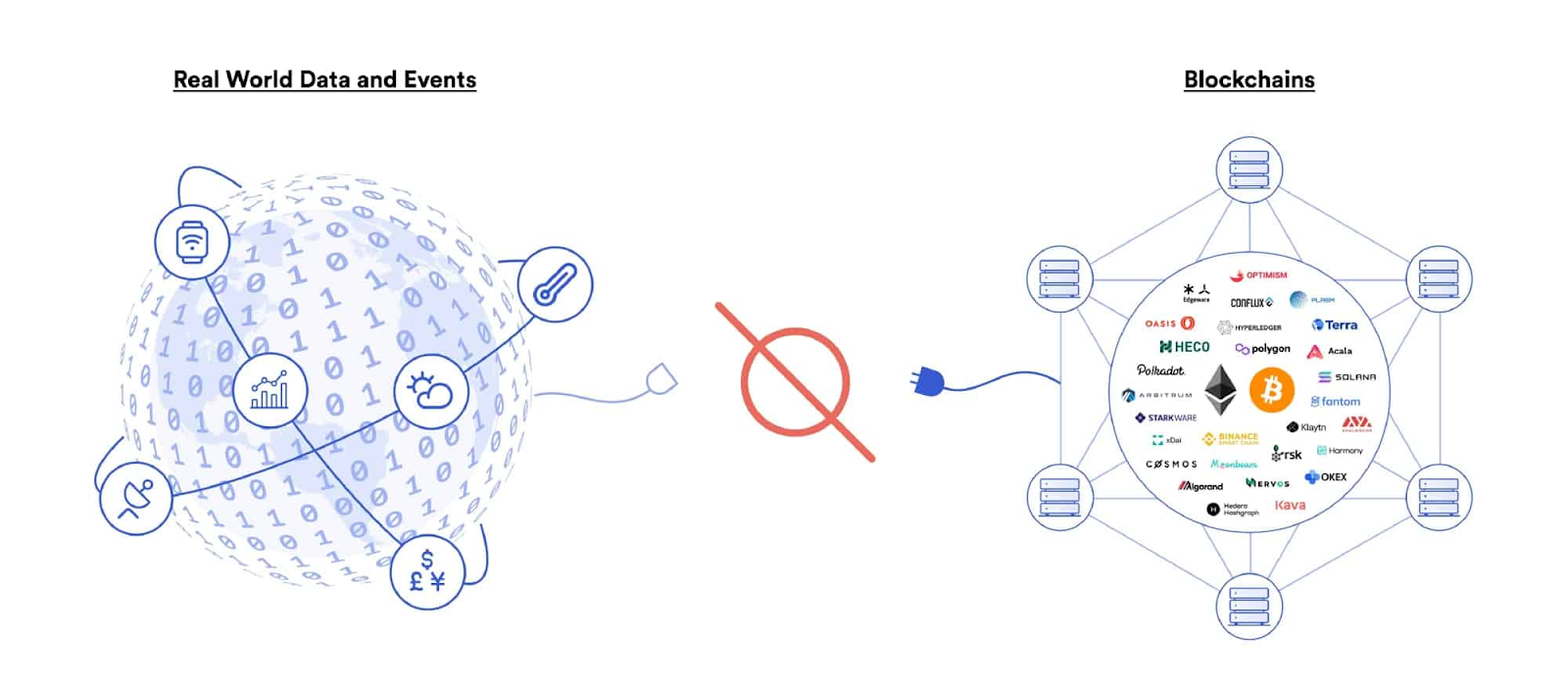
Oracles play a key role in making smart contracts useful. Smart contracts run on blockchains but cannot access data outside their network. Oracles act as bridges that feed real-world information into these contracts. This allows smart contracts to react to events or data from outside sources.
Without oracles, smart contracts would only work with data already on the blockchain. Oracles solve this by connecting the blockchain with external data like prices, weather, or sports scores. This expands the possible uses of smart contracts.
Types Of Oracles
There are several types of oracles based on how they get and share data. Software oracles pull information from online sources like websites or APIs. Hardware oracles gather data from physical devices, such as sensors or scanners. Another type is inbound oracles that send external data to the blockchain. Outbound oracles send data from smart contracts to outside systems. Decentralized oracles collect data from multiple sources to improve trust and accuracy.
How Oracles Connect Data To Blockchains
Oracles work by fetching data from outside sources and sending it to smart contracts. They use secure methods to ensure data is accurate and trustworthy. When a smart contract needs data, it requests it from the oracle. The oracle then verifies the data and delivers it on-chain. This process allows smart contracts to execute actions based on real-world events.
Oracles Enhancing Trust
Oracles play a crucial role in building trust within smart contracts. They act as bridges between blockchains and real-world data. Without oracles, smart contracts cannot access external information. This limits their use in many practical applications. Oracles provide reliable data, which makes smart contracts more trustworthy and effective.
Ensuring Data Integrity
Oracles verify the data before sending it to smart contracts. They gather information from multiple sources to confirm accuracy. This process helps prevent false or corrupted data from affecting contract outcomes. Data integrity is vital for smart contracts to function correctly. Trustworthy data leads to fair and predictable results in contract execution.
Reducing Risks Of Manipulation
Oracles reduce the chance of data manipulation by using secure methods. Some oracles use encryption and consensus mechanisms to protect information. These safeguards make it hard for anyone to alter data maliciously. By minimizing manipulation risks, oracles increase confidence in smart contracts. Users can rely on contracts to act as intended, based on true data.
Credit: hacken.io
Improving Accuracy In Smart Contracts
Smart contracts work best with accurate information. They rely on data to execute agreements automatically. Errors in data can cause wrong actions or disputes. Oracles help improve accuracy by connecting smart contracts to real-world data. This connection makes contracts more reliable and effective.
Real-time Data Feeding
Oracles provide smart contracts with real-time data. This means contracts get the latest information instantly. For example, they can supply current prices, weather updates, or sports results. Real-time data reduces delays and errors in contract execution. It ensures contracts act based on the most recent facts.
Handling Complex Conditions
Smart contracts often need to check many conditions before acting. Oracles can gather and verify data from multiple sources. This helps contracts handle complex rules easily. Oracles filter and confirm data, so contracts respond correctly. They reduce mistakes caused by missing or wrong information.
Popular Oracle Solutions
Oracles are essential for smart contracts. They bring outside data into the blockchain. Without oracles, smart contracts cannot react to real-world events. Many oracle solutions exist, each with unique features. These solutions help improve trust and data accuracy in smart contracts.
Decentralized Oracle Networks
Decentralized oracle networks collect data from many sources. This spreads the risk of wrong data. They use multiple nodes to verify the information. This method reduces the chance of errors or fraud. Popular networks include Chainlink and Band Protocol. They offer secure and reliable data feeds for smart contracts.
Centralized Vs Decentralized Approaches
Centralized oracles rely on one data source. They are easier to set up but less secure. A single point of failure risks the whole contract. Decentralized oracles use several independent sources. This increases security and trust. Decentralized solutions cost more but improve data quality. Choosing the right approach depends on contract needs and risk tolerance.
Use Cases Powered By Oracles
Oracles connect smart contracts to the real world. They provide data that smart contracts cannot access on their own. This data enables many useful applications across industries. Oracles help automate processes and make contracts smarter.
Here are some common use cases powered by oracles.
Defi Applications
Oracles supply price data to decentralized finance (DeFi) platforms. This data helps set accurate values for loans, trades, and interest rates. Without oracles, DeFi contracts could not react to real market changes. They also detect fraud or errors by verifying external data. This makes DeFi safer and more reliable.
Insurance And Supply Chain
Oracles verify events like weather or shipment status for insurance claims. Insurance smart contracts use this data to pay claims automatically. In supply chains, oracles track goods and update contracts based on delivery. This reduces paperwork and speeds up processes. Oracles ensure trust and transparency in these sectors.
Challenges And Risks With Oracles
Oracles play a crucial role in smart contracts by providing real-world data. Yet, they bring several challenges and risks that affect contract reliability and security. Understanding these issues helps to improve smart contract performance and trustworthiness.
Data Source Reliability
Smart contracts depend on accurate data from oracles. If the data source is unreliable, contracts may execute wrong actions. Data can be outdated, incomplete, or manipulated. This risk can cause financial losses or contract failures. Choosing trusted and verified data providers is essential. Regular checks and backups of data sources help reduce errors.
Oracle Security Concerns
Oracles can be targets for hackers. Attacks on oracles may change data before it reaches the smart contract. This leads to false contract execution. Single oracles create a single point of failure. Decentralized oracle networks reduce this risk by using multiple data sources. Strong encryption and secure communication channels also protect oracle data. Constant security updates and audits are necessary to keep oracles safe.
Future Trends In Oracle Technology
Oracles play a key role in smart contracts by providing real-world data. The future of oracle technology holds many exciting changes. These changes aim to make oracles more reliable and efficient. They will help smart contracts work better across many industries.
Advancements In Decentralization
Decentralized oracles reduce risks of data manipulation. They gather data from many sources instead of one. This creates a more trustworthy system. More projects will use decentralized oracles to improve security. This change helps avoid single points of failure. It also boosts user confidence in smart contracts.
Integration With Ai And Iot
Oracles will connect closely with artificial intelligence and Internet of Things devices. AI can analyze and verify data before sending it to smart contracts. IoT devices can provide real-time data from physical objects. This integration will expand the use cases for smart contracts. It allows for smarter automation and more accurate decisions.

Credit: www.technology-innovators.com
Frequently Asked Questions
What Is An Oracle In Smart Contracts?
An oracle is a service that provides external data to smart contracts. It connects blockchain with real-world information. Oracles enable contracts to execute based on real-time events or data, enhancing their functionality and usefulness.
How Do Oracles Improve Smart Contract Functionality?
Oracles supply accurate external data, allowing smart contracts to trigger actions automatically. This integration supports real-world use cases like finance, insurance, and supply chain. Without oracles, smart contracts are limited to on-chain data only.
Are Oracles Centralized Or Decentralized?
Oracles can be either centralized or decentralized. Centralized oracles rely on a single data source, which may risk manipulation. Decentralized oracles aggregate data from multiple sources, enhancing reliability and security for smart contracts.
Why Are Oracles Critical For Blockchain Adoption?
Oracles bridge the gap between blockchain and external data. They unlock practical applications by enabling contracts to interact with real-world events. This connection drives broader blockchain adoption across industries by solving real-world problems.
Conclusion
Oracles connect smart contracts to the outside world. They provide real data that contracts need to work. Without oracles, smart contracts cannot react to real events. This limits their use and power. Trustworthy oracles ensure contracts run correctly and securely.
As blockchain grows, oracles will play a bigger role. Understanding oracles helps us see how smart contracts function. They bring real information into digital agreements. This makes smart contracts more useful and reliable.