
Imagine knowing exactly where your products come from, how they were made, and when they will arrive—all with complete trust and transparency. That’s the power blockchain technology brings to supply chains.
If you’ve ever dealt with delayed shipments, fake products, or confusing paperwork, you’re about to discover a game-changing solution. This article will show you how blockchain is not just a tech buzzword but a real tool that can make your supply chain faster, safer, and more reliable.
Ready to see how it can transform your business? Keep reading.
Blockchain Basics
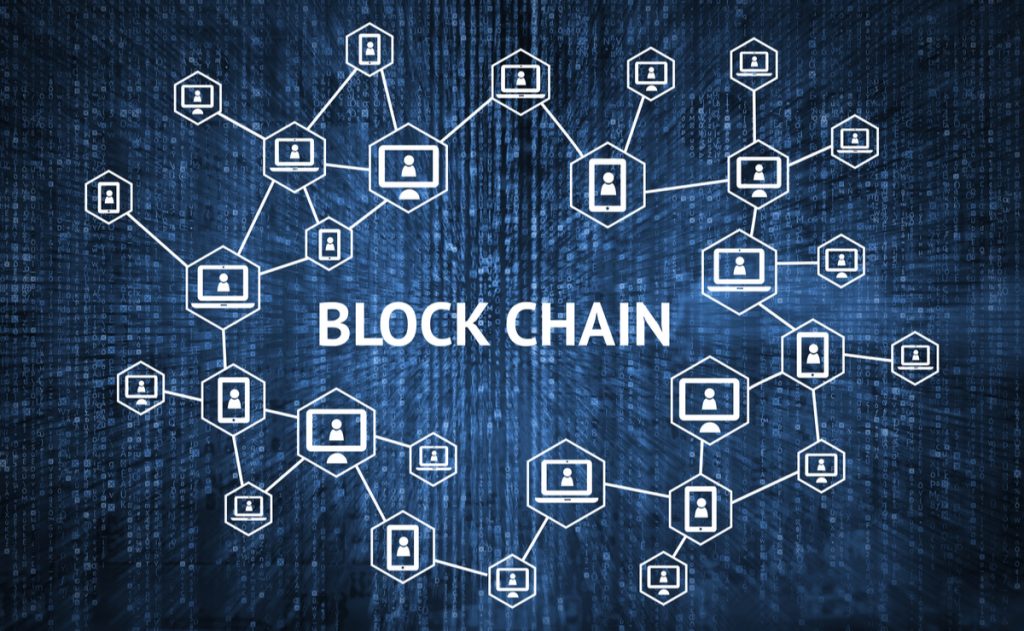
Blockchain technology is a system that records information securely. It stores data in blocks linked together in a chain. Each block holds a group of transactions. This structure makes data hard to change or delete. It ensures trust and transparency.
Many industries use blockchain to improve processes. Supply chains benefit by tracking goods from start to end. Understanding blockchain basics helps grasp its value in supply chains.
Key Features
Blockchain is decentralized. No single person or group controls it. This spreads control across many computers worldwide. It adds security and reduces risks of fraud.
Transparency is another key feature. Every participant can view transactions. This openness helps verify product origins and movements. It builds trust among suppliers, manufacturers, and customers.
Immutability means once data is added, it cannot be changed. This protects records from tampering. It creates a reliable history of all transactions.
Smart contracts automate agreements. They execute actions when conditions are met. This speeds up processes and cuts down errors.
Types Of Blockchains
Public blockchains are open to everyone. Anyone can join and view data. They offer maximum transparency but less privacy.
Private blockchains restrict access to specific users. Only invited members can participate. They provide more control and privacy for companies.
Consortium blockchains are shared by a group of organizations. This type balances transparency and privacy. It suits industries with multiple trusted parties.
Each type serves different supply chain needs. Choosing the right blockchain depends on business goals and security needs.
Supply Chain Challenges
Supply chains face many problems that slow down processes and increase costs. Companies often struggle to keep track of products, verify authenticity, and manage delays. These challenges affect businesses and customers alike. Understanding these issues helps explain why new technologies like blockchain gain attention.
Transparency Issues
Many supply chains lack clear visibility. Tracking items from origin to delivery is hard. This makes it difficult to verify product sources and conditions. Without transparency, trust between partners weakens. Customers also worry about product authenticity and safety.
Inefficiencies And Delays
Manual paperwork and outdated systems cause slowdowns. Shipping delays and errors become common. Communication gaps between suppliers, manufacturers, and retailers increase. These inefficiencies raise operational costs and reduce customer satisfaction.
Fraud And Counterfeiting
Fake products enter supply chains frequently. Counterfeit goods harm brands and endanger consumers. Detecting fraud is complicated and time-consuming. Companies lose money and damage reputation. Preventing fraud remains a critical challenge.
Blockchain Impact On Supply Chains
Blockchain technology is changing how supply chains work. It brings new ways to track goods, share information, and speed up processes. This helps companies make supply chains safer and more efficient. The technology creates a digital record that is hard to change. Every step of a product’s journey is recorded clearly. This leads to better trust between suppliers, manufacturers, and customers.
Enhanced Traceability
Blockchain allows detailed tracking of products at every step. Each item gets a unique digital ID. This ID records where the product comes from and where it goes. Companies can check the product’s history anytime. This helps catch problems early, like fake goods or delays. Traceability also supports quality control. It improves recall processes by identifying affected items fast.
Improved Transparency
All participants in the supply chain see the same data. This shared view reduces mistakes and fraud. Information about shipments, payments, and contracts is visible. Transparency builds trust among partners and customers. It also helps ensure ethical practices. Consumers want to know where products come from and how they are made. Blockchain makes this information easy to share and verify.
Faster Transactions
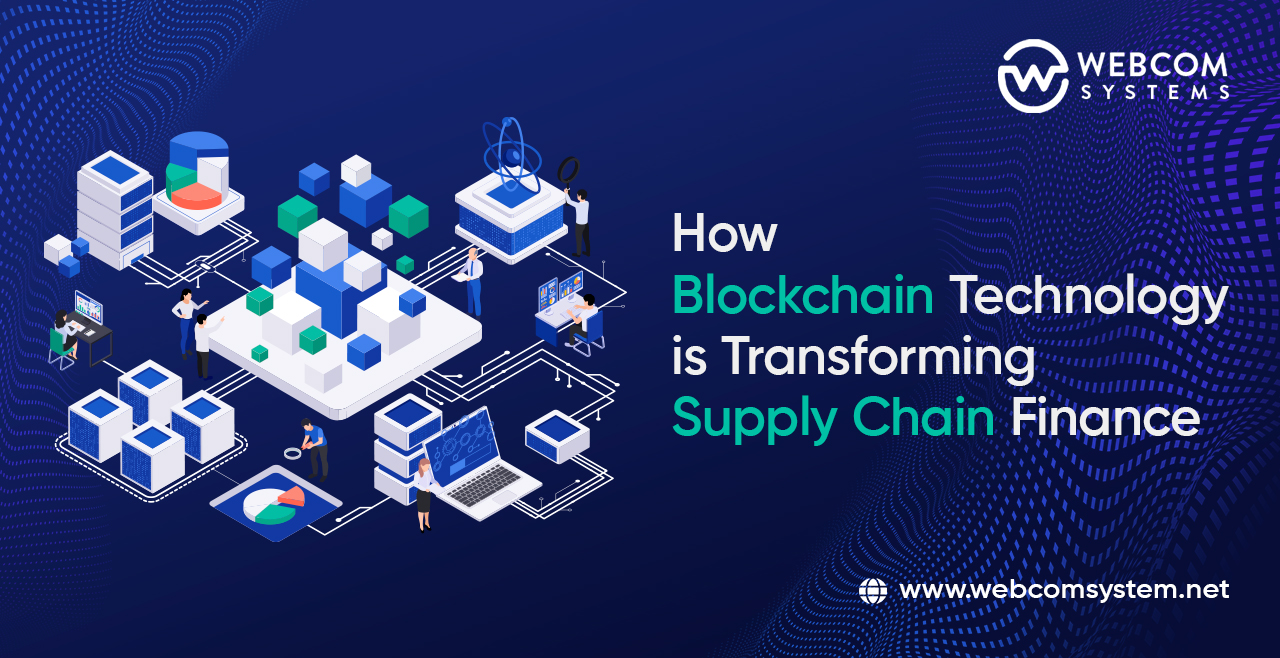
Blockchain cuts down the time needed to complete deals. It automates many manual steps with smart contracts. These contracts execute actions when conditions are met. Payments and approvals happen quickly without waiting for papers. This speeds up the entire supply chain cycle. Faster transactions reduce costs and improve cash flow. Businesses can respond faster to market changes.
Credit: webcomsystem.net
Smart Contracts In Supply Chains
Smart contracts are digital agreements stored on a blockchain. They automatically execute actions when conditions are met. In supply chains, they bring trust and speed to complex processes.
Smart contracts reduce the need for middlemen. They ensure that all parties follow the same rules. This leads to smoother and more reliable transactions.
Automation Benefits
Smart contracts automate many supply chain tasks. They release payments only after goods arrive. This removes delays caused by manual checks.
Automation cuts down human errors. It tracks shipments in real time. This helps companies react quickly to changes or issues.
Reducing Disputes
Disputes often arise from unclear contract terms. Smart contracts keep rules transparent and tamper-proof. This lowers misunderstandings between buyers and sellers.
All actions are recorded on the blockchain. This creates a clear, unchangeable proof of events. Disputes settle faster with less need for lawyers.
Cost Savings
Smart contracts reduce paperwork and administrative work. This saves money on clerks and document handling. It also cuts costs from delays and errors.
Faster payments improve cash flow for suppliers. Lower risks mean fewer insurance costs. Overall, smart contracts make supply chains leaner and cheaper.
Real-world Applications
Blockchain technology is changing how supply chains work in many industries. It helps track products clearly and safely. Companies use it to make supply chains faster and more honest. Below are some key areas where blockchain is making a real difference.
Food Industry
Blockchain tracks food from farms to stores. It records every step, so customers see where food comes from. This helps find problems quickly, such as contamination. It also reduces food waste by improving inventory management. Farmers, suppliers, and retailers share the same information safely.
Pharmaceuticals
In pharmaceuticals, blockchain ensures drug safety. It tracks medicine from production to delivery. This stops fake drugs from entering the market. Hospitals and pharmacies verify medicines easily. It also helps meet strict health rules. Patients get the right medicine, and companies avoid costly errors.
Manufacturing
Manufacturers use blockchain to track parts and products. It improves trust between suppliers and buyers. Every step, from raw materials to finished goods, is recorded. This reduces fraud and errors in paperwork. It also speeds up payments and deliveries. The result is a smoother and clearer supply chain.
Credit: www.hashstudioz.com
Challenges And Limitations
Blockchain technology promises many benefits for supply chains. It can increase transparency and reduce fraud. Still, it faces several challenges and limits. These slow down its wide adoption in the supply chain industry.
Understanding these issues helps businesses prepare better. They can address problems early and plan solutions. Let’s explore key challenges that blockchain faces in supply chains.
Scalability Issues
Blockchain networks often struggle to handle many transactions fast. Supply chains involve thousands of daily transactions. Processing these on blockchain can cause delays. High energy use and slow speed affect performance. This limits blockchain’s use in large, busy supply chains.
Integration With Legacy Systems
Many companies use old software and systems. These legacy systems do not easily connect with blockchain. Changing them is costly and complex. Businesses face difficulties syncing blockchain with existing data. This slows down the adoption of blockchain technology.
Regulatory Concerns
Blockchain operates across countries and laws. Many governments lack clear rules for blockchain use. This causes uncertainty for businesses. Data privacy and security rules vary widely. Companies worry about legal risks and compliance. These concerns limit blockchain’s growth in supply chains.
Future Trends
The future of supply chains looks very different thanks to blockchain technology. Changes are coming that will make processes faster and safer. New trends will shape how companies track goods and share data. These trends will help supply chains become more smart and green.
Iot And Blockchain
Internet of Things (IoT) devices collect data from products and shipments. Blockchain stores this data securely and makes it easy to check. Combining IoT and blockchain will give real-time updates on product location and condition. This helps reduce theft, loss, and delays in shipping. Tracking will become more precise and reliable.
Ai Integration
Artificial intelligence (AI) will analyze blockchain data to spot patterns. AI can predict demand and optimize inventory levels. It can also find weak points in the supply chain. This helps companies act faster and avoid problems. AI and blockchain together will make supply chains smarter and more efficient.
Sustainability Focus
Blockchain will help track the environmental impact of products. Companies can prove if their goods come from ethical and eco-friendly sources. This transparency supports green practices and reduces waste. Consumers will trust brands that show clear sustainability efforts. The supply chain will become cleaner and more responsible.
Credit: www.techdemand.io
Frequently Asked Questions
What Is Blockchain Technology In Supply Chains?
Blockchain technology is a secure digital ledger that records transactions transparently. It enhances traceability, reduces fraud, and improves efficiency in supply chains by providing real-time, immutable data accessible to all authorized parties.
How Does Blockchain Improve Supply Chain Transparency?
Blockchain offers a decentralized record of every transaction. This transparency allows stakeholders to track products from origin to delivery, reducing errors, counterfeit goods, and enhancing trust among participants throughout the supply chain.
Can Blockchain Reduce Supply Chain Costs?
Yes, blockchain can reduce costs by streamlining processes, minimizing paperwork, and reducing delays. Automated smart contracts cut intermediaries and errors, leading to faster and more cost-effective supply chain operations.
What Industries Benefit Most From Blockchain In Supply Chains?
Industries like food, pharmaceuticals, automotive, and electronics benefit greatly. Blockchain ensures product authenticity, compliance, and safety, making it easier to track goods and reduce risks in complex supply networks.
Conclusion
Blockchain technology changes supply chains in clear ways. It makes tracking products easier and faster. Companies can trust the data they see. This reduces errors and stops fraud. Workers and customers both gain from this. Costs often drop, saving money for all.
Supply chains become more open and fair. Many businesses start to use blockchain today. The future will likely bring even more change. Simple, smart, and secure—that’s blockchain’s promise.