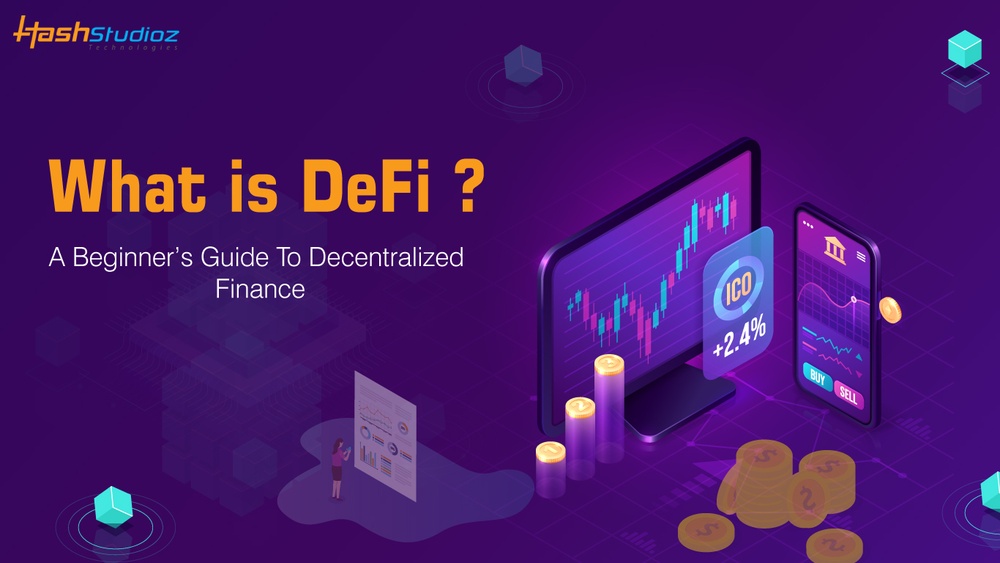
Have you ever wondered how money could work without banks or middlemen? That’s exactly what DeFi, or decentralized finance, is all about.
Imagine having full control over your money, making quick transactions, and accessing loans or investments—all without relying on traditional banks. If you’re curious about how this new financial world can benefit you, this guide will walk you through the basics of DeFi in simple terms.
By the end, you’ll understand why so many people are excited about this financial revolution and how it could change the way you manage your money. Ready to discover what DeFi means for you? Keep reading.

Credit: academy.shrimpy.io
Basics Of Defi
Decentralized Finance, or DeFi, is changing how people use money online. It removes banks and middlemen. Instead, it uses technology to let people control their own money. This makes finance more open and fair for everyone.
Understanding the basics of DeFi helps you see its power. It is built on new ideas and tools. These tools work together to create a financial system anyone can use.
What Makes Finance Decentralized
DeFi works without a central authority like a bank. It uses blockchain, a special digital ledger. This ledger is public and secure. Everyone can see transactions, but no one can change them without permission.
Smart contracts are another key part. They are automatic programs that run when conditions are met. They remove the need for trust in middlemen. This makes transactions faster and cheaper.
Key Components In Defi
DeFi includes several main parts. First, wallets store your digital money safely. You control your wallet, not a bank.
Next, decentralized exchanges let users trade cryptocurrencies directly. They do not rely on a central company to hold funds.
Lending platforms allow users to borrow or lend money. Interest rates are set by algorithms, not banks.
Stablecoins are digital money tied to real-world currencies. They reduce price swings common in crypto.
Credit: www.bankrate.com
How Defi Works
Understanding how DeFi works is key to grasping its potential. DeFi, or decentralized finance, operates without middlemen like banks. It uses blockchain technology to enable direct financial transactions between people. This system relies heavily on smart contracts and specific blockchain platforms.
Smart Contracts And Their Role
Smart contracts are self-executing programs on the blockchain. They automatically carry out agreements when conditions are met. This removes the need for a trusted third party. Smart contracts ensure transparency and reduce costs. They handle lending, borrowing, trading, and many other finance tasks. Since they run on the blockchain, smart contracts are secure and tamper-proof.
Blockchain Platforms Supporting Defi
DeFi applications run on blockchain platforms that support smart contracts. Ethereum is the most popular platform for DeFi projects. It provides a flexible environment for developers to create decentralized apps. Other blockchains like Binance Smart Chain and Solana also support DeFi. These platforms offer fast transactions and lower fees. The choice of platform affects the speed and cost of using DeFi services.
Popular Defi Applications
Decentralized finance, or DeFi, offers many tools for managing money online. These applications work without banks or middlemen. People can trade, lend, borrow, and save in a new way. Popular DeFi apps make these services easy and safe to use.
Decentralized Exchanges
Decentralized exchanges let users trade cryptocurrencies directly. No need for a central authority. Trades happen through smart contracts on the blockchain. This increases privacy and lowers fees. Popular examples include Uniswap and SushiSwap. Users keep control of their funds at all times.
Lending And Borrowing Platforms
These platforms allow people to lend or borrow crypto assets. Interest rates are set by supply and demand. Loans do not require credit checks. Users often provide collateral to secure loans. Aave and Compound are well-known platforms. They help users earn interest or get quick loans.
Stablecoins And Their Importance
Stablecoins are cryptocurrencies tied to real-world assets like the US dollar. They keep prices steady, avoiding wild swings. Stablecoins make DeFi more reliable for trading and payments. Examples include USDC and DAI. They help people use crypto without worrying about value changes.
Benefits Of Using Defi
Decentralized finance, or DeFi, offers many benefits that attract users worldwide. It changes how people access and use financial services. DeFi removes middlemen and lets users control their money directly.
Users enjoy easier access, better security, and chances for higher earnings. These advantages make DeFi a popular choice for many beginners and experts alike.
Accessibility And Inclusion
DeFi works for anyone with an internet connection. It does not require banks or credit checks. People in remote or underserved areas can join easily. This opens financial services to many who had no access before.
Anyone can use DeFi apps on their phone or computer. This makes saving, borrowing, and investing possible for all.
Transparency And Security
DeFi uses blockchain technology, which is open and clear. All transactions are recorded and can be checked by anyone. This builds trust and reduces fraud.
Smart contracts automate deals without middlemen. They follow strict rules, lowering the chance of errors. Users stay in control of their assets, not third parties.
Potential For Higher Returns
DeFi offers new ways to earn money from digital assets. Users can lend coins and earn interest directly. Yield farming and staking provide additional income paths.
Traditional banks often offer low returns. DeFi’s open system creates more opportunities for profit. This attracts those who want better growth on their funds.
Risks And Challenges
Decentralized finance, or DeFi, offers many benefits but also carries risks. Understanding these risks helps users protect their investments and make smart choices. DeFi operates without traditional banks, relying on computer code and open networks. This new system has unique challenges that every user should know.
Smart Contract Vulnerabilities
Smart contracts run DeFi applications automatically. They are pieces of code on the blockchain. Bugs or errors in these codes can cause money loss. Hackers often find weak spots to steal funds. Not all smart contracts are tested well. Users should be cautious and check contract audits.
Market Volatility
DeFi markets can change prices very quickly. Cryptocurrencies often have high price swings. This can lead to big gains or big losses. Investors must be ready for sudden drops. Volatility can affect loans, trades, and investments. It makes DeFi riskier than traditional finance.
Regulatory Uncertainty
Governments are still deciding how to regulate DeFi. Laws may change in the future. New rules might limit some DeFi activities. This uncertainty can scare investors or create risks. Users should stay informed about their country’s laws. Regulation will shape DeFi’s future direction.
Getting Started With Defi
Getting started with DeFi can seem complex. The world of decentralized finance offers many opportunities to manage your money without banks. This guide helps you take the first steps. It covers the basics of setting up, choosing platforms, and staying safe. Follow these easy steps to begin your DeFi journey confidently.
Setting Up A Crypto Wallet
A crypto wallet stores your digital money securely. Choose a wallet that supports DeFi tokens. Popular options include MetaMask and Trust Wallet. Download the wallet app on your phone or browser. Create a new wallet and write down your recovery phrase. Never share this phrase with anyone. It helps you recover your wallet if you lose access.
Choosing The Right Platforms
DeFi platforms allow you to lend, borrow, or trade crypto. Select platforms with a good reputation and many users. Check for clear rules and transparent fees. Start with simple services like decentralized exchanges or lending pools. Avoid platforms promising very high returns. Research each platform before using it.
Basic Safety Tips
Keep your crypto wallet safe by using strong passwords. Enable two-factor authentication when possible. Beware of phishing sites that mimic real platforms. Always check the website URL before logging in. Do not click on suspicious links or download unknown files. Start with small amounts of money until you feel comfortable.
Future Of Decentralized Finance
The future of decentralized finance (DeFi) holds many possibilities. It promises to change how people manage money worldwide. DeFi aims to offer financial services without middlemen like banks. This can make transactions faster and cheaper. As technology grows, DeFi will likely become more common and easier to use.
Emerging Trends
New trends in DeFi are shaping its growth. One trend is the rise of layer 2 solutions. These help make transactions quicker and reduce fees. Another trend is the use of artificial intelligence to improve trading and lending. DeFi is also expanding into new areas like insurance and real estate. These trends show DeFi is moving beyond simple exchanges.
Integration With Traditional Finance
Traditional finance and DeFi are starting to connect. Banks and financial companies explore using DeFi tools. This helps them offer better services to customers. Some banks use blockchain technology for faster payments. DeFi can provide new ways to borrow and lend money. This integration can create a smoother financial experience for many people.

Credit: www.dcentralab.com
Frequently Asked Questions
What Is Defi And How Does It Work?
DeFi, or decentralized finance, uses blockchain to offer financial services without intermediaries. It enables peer-to-peer lending, trading, and earning interest through smart contracts.
How Is Defi Different From Traditional Finance?
Unlike traditional finance, DeFi is open, permissionless, and transparent. It removes banks and brokers, allowing direct user control over assets and transactions.
What Are The Main Benefits Of Using Defi?
DeFi offers lower fees, faster transactions, and global access. It promotes financial inclusion and allows users to earn passive income through staking and lending.
Is Defi Safe To Use For Beginners?
DeFi carries risks like smart contract bugs and market volatility. Beginners should start small, research projects, and use reputable platforms with strong security.
Conclusion
Decentralized finance changes how we use money online. It offers more control without banks or middlemen. You can lend, borrow, or trade with fewer limits. Risks exist, so learn and stay cautious. Defi grows fast, and understanding it helps you keep up.
Explore slowly and see how it fits your needs. This guide gives you a clear start. The future of finance is open and digital. Ready to see where Defi can take you?