Imagine a world where your favorite apps and digital services talk to each other seamlessly, no matter what blockchain they’re built on. Sounds powerful, right?
That’s exactly what Layer 0 technology aims to do—break down barriers between blockchains and open up a universe of possibilities for you. If you’ve ever felt limited by isolated networks or wondered how different blockchains can work together smoothly, this article is for you.
Keep reading to discover how Layer 0 is changing the game and why it matters for your digital future.
Credit: phemex.com
Layer 0 Basics
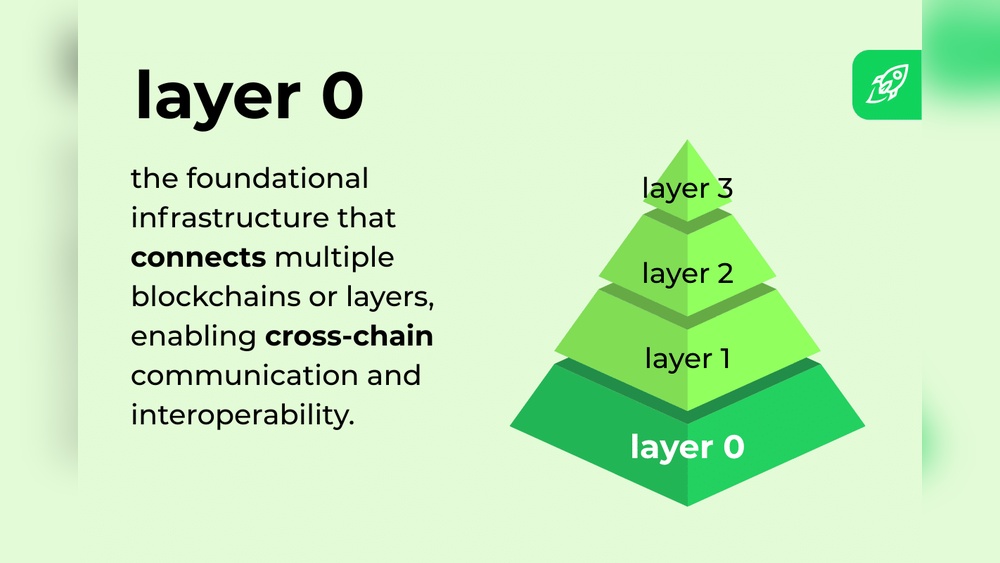
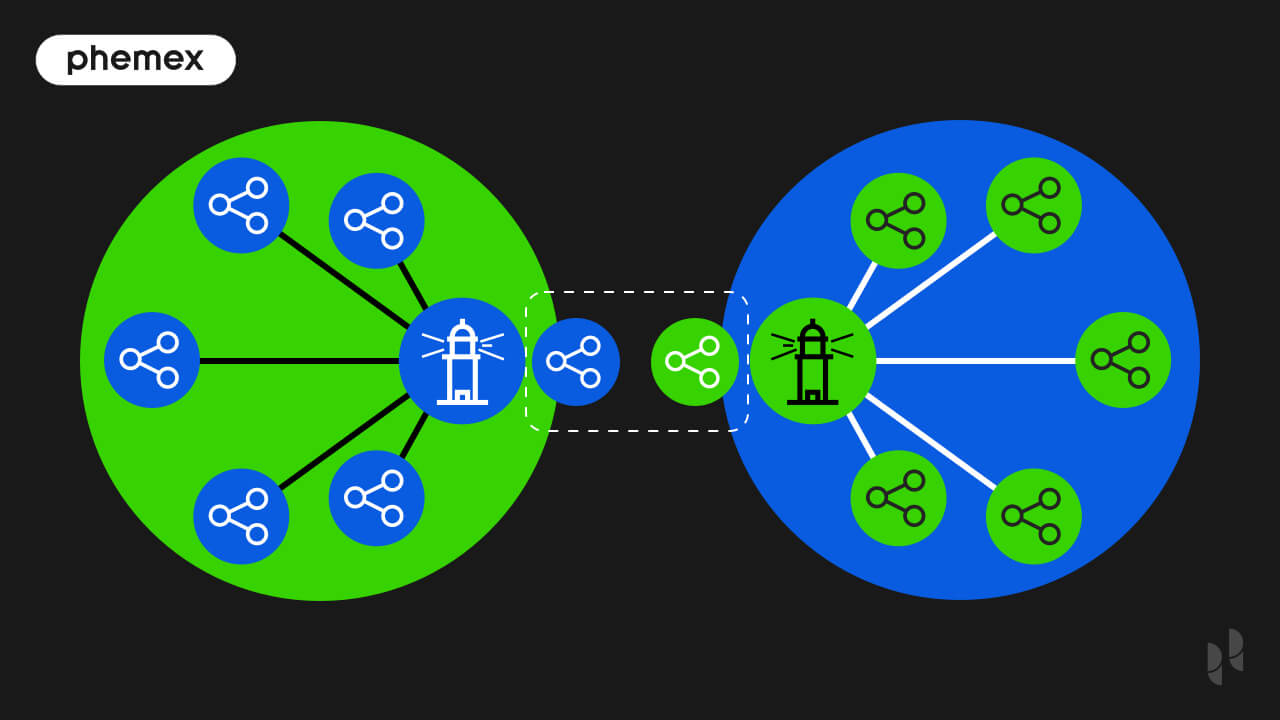
Layer 0 is the foundation of blockchain technology. It acts as the base that connects different blockchains together. This layer enables blockchains to communicate and share data easily. Understanding Layer 0 helps grasp how various blockchains work as a network.
Layer 0 is crucial for building a connected blockchain ecosystem. It supports the creation of scalable and interoperable networks. This layer works below the blockchains we often hear about, making it a hidden but vital part of the system.
Core Concepts
Layer 0 provides the basic infrastructure for blockchains. It includes the protocols and tools that link different chains. These connections allow blockchains to exchange information securely.
At its core, Layer 0 solves the problem of blockchain isolation. Each blockchain usually works alone. Layer 0 breaks these walls down, enabling smooth data flow.
This layer handles communication, consensus, and data transfer. It ensures blockchains can interact without losing security or speed. Layer 0 uses special networks and algorithms for this task.
Role In Blockchain Stack
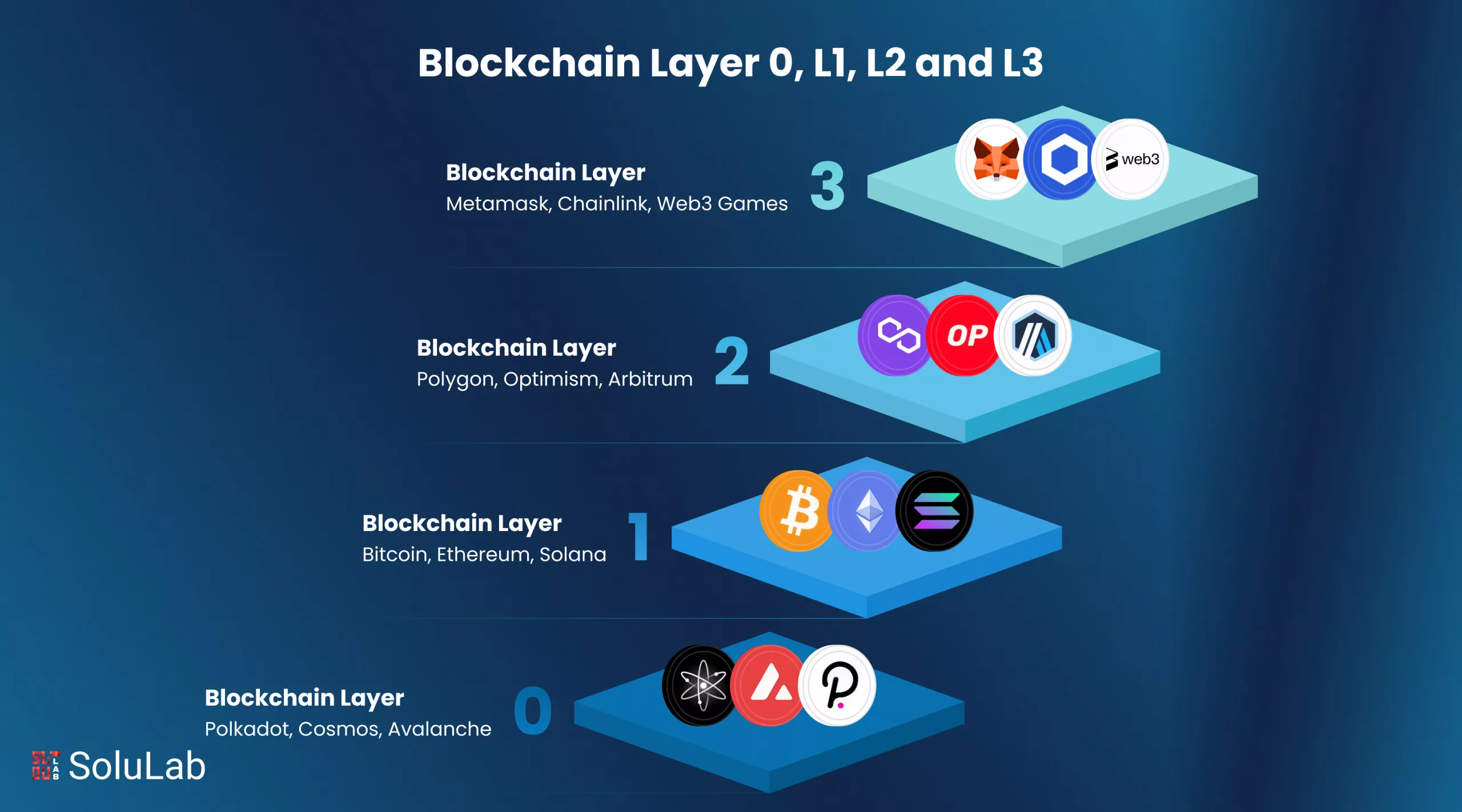
The blockchain stack has multiple layers. Layer 0 sits at the bottom. It supports Layer 1 blockchains, which are the actual blockchain networks like Bitcoin or Ethereum.
Layer 0 connects multiple Layer 1 chains and their networks. This connection allows them to work together as a system. It also helps build Layer 2 solutions that improve blockchain speed and efficiency.
Without Layer 0, blockchains would remain isolated and less useful. This layer creates a foundation for future blockchain innovation. It makes the entire blockchain ecosystem more unified and powerful.
Credit: hashdex.com
Importance Of Interoperability
Interoperability is the key to connecting different blockchains. It allows these separate networks to communicate and work together smoothly. This connection opens new possibilities and solves many problems in the blockchain world. Understanding its importance helps us see why Layer 0 technologies are gaining attention.
Breaking Blockchain Silos
Blockchains often work like isolated islands. Each one has its own rules and data. This isolation limits how users and applications interact across networks. Interoperability breaks these silos. It enables blockchains to share information and value. This leads to a more unified and efficient ecosystem.
Benefits For Users And Developers
Users gain more freedom with interoperability. They can move assets and data across chains easily. This reduces costs and saves time. Developers enjoy building apps that work on multiple blockchains. They can reach more users and create better experiences. Interoperability also encourages innovation by allowing new features and services to emerge.
Layer 0 Protocols
Layer 0 protocols form the base layer of blockchain networks. They enable different blockchains to connect and communicate. This connectivity is key for blockchain interoperability.
These protocols work below traditional blockchains, linking multiple chains. They allow data and assets to move freely across networks. This helps create a unified blockchain ecosystem.
Notable Projects
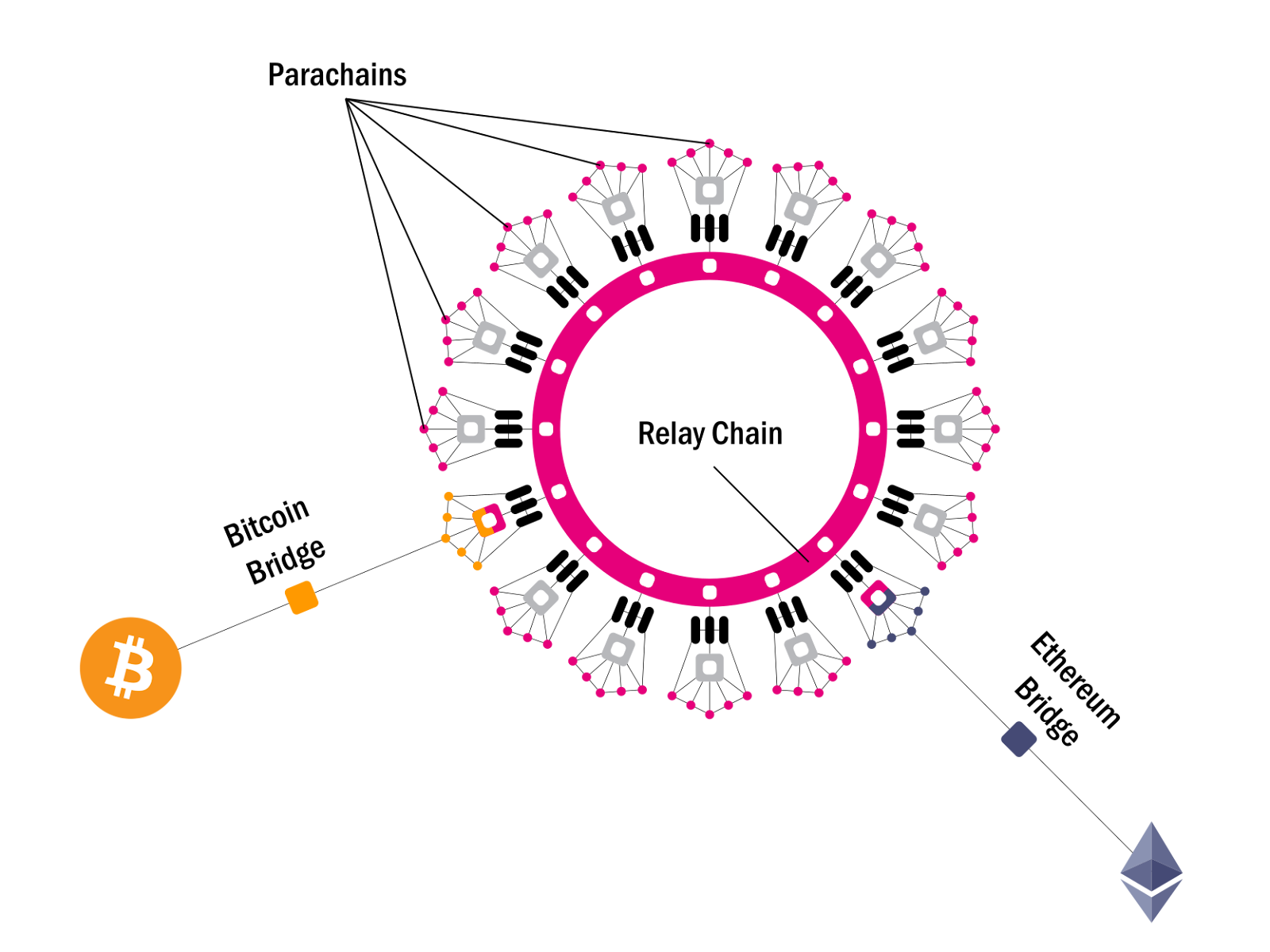
Several projects focus on Layer 0 solutions. Polkadot offers a relay chain that connects various blockchains securely. Cosmos uses hubs and zones to enable cross-chain communication. Avalanche provides a platform for custom blockchain networks that interoperate. These projects aim to simplify blockchain interactions and increase scalability.
Technical Architecture
Layer 0 protocols have distinct technical designs. They use relay chains or hubs to connect blockchains. Validators maintain consensus and ensure security across connected chains. Bridges allow data transfer between different blockchains. This structure supports scalability and flexibility for decentralized applications.
Cross-chain Communication
Cross-chain communication allows different blockchains to talk and share data. It solves the problem of isolated networks by creating links between blockchains. This connection helps users move assets and information easily across chains. It also supports new applications that use multiple blockchains at once.
Understanding how cross-chain communication works is key to building better blockchain systems. It depends on various techniques to ensure secure and smooth data exchange. These methods must handle trust, speed, and cost efficiently.
Mechanisms And Techniques
One common technique is using bridges. Bridges connect two blockchains and transfer tokens or data between them. They act like a gate allowing assets to move across chains.
Another method uses relay systems. Relays verify information from one chain and pass it to another. They ensure the data is accurate before sharing it.
Some networks use hash locks. Hash locks secure transactions by requiring a secret code to complete transfers. This prevents theft during cross-chain swaps.
Interoperability protocols also play a role. These protocols set rules for chains to follow when exchanging data. They create a standard language for blockchains.
Challenges And Solutions
Security is a major challenge in cross-chain communication. Bridges can be attacked if not properly protected. Solutions include multi-signature wallets and decentralized validation.
Another issue is speed. Transactions across chains can be slow. Layer 0 technologies reduce delays by managing communication at the base network level.
Compatibility also causes problems. Different blockchains use different rules and structures. Interoperability standards help align these differences.
Costs may rise due to extra steps in cross-chain transfers. Optimizing protocols and using Layer 0 frameworks lower these fees.
Use Cases Of Layer 0 Integration
Layer 0 integration plays a key role in connecting different blockchains. It allows various networks to share data and assets quickly. This connection helps many industries grow and work better. The use cases of Layer 0 integration cover finance, gaming, and business solutions. Each area benefits from smoother blockchain communication and collaboration.
Defi Applications
Decentralized finance (DeFi) depends on fast and secure transactions. Layer 0 integration lets different blockchains exchange information easily. This helps DeFi platforms offer better services. Users can trade assets across multiple chains without delays. It also reduces costs and improves security. Layer 0 makes lending, borrowing, and trading more efficient.
Nft And Gaming
Non-fungible tokens (NFTs) and blockchain games need fast data sharing. Layer 0 allows NFTs to move across different blockchains. Gamers can use their assets in multiple games without restrictions. This boosts creativity and player engagement. Cross-chain play becomes smoother and more fun. Developers can build larger gaming worlds with varied assets.
Enterprise Solutions
Businesses require reliable and secure blockchain systems. Layer 0 integration supports data sharing between private and public chains. Companies can track goods, verify identities, and manage contracts easily. It helps create transparent and efficient supply chains. Layer 0 also supports secure communication for different departments. Enterprises can build stronger digital partnerships using this technology.
Future Trends
Layer 0 technology is shaping the future of blockchain connections. It aims to solve many current problems by linking different blockchains more efficiently. This section explores key trends that will drive Layer 0 and interoperability forward.
Scalability Improvements
Scalability is a top priority for Layer 0 networks. Future updates will enable faster transaction processing across chains. This reduces delays and lowers costs for users. Networks will handle more data without slowing down. Such improvements will support widespread blockchain use.
Security Enhancements
Security remains crucial as more chains connect. Layer 0 protocols will adopt stronger methods to protect data. Advanced encryption and consensus models will reduce risks. Users can trust that their assets and information stay safe. These upgrades will build confidence in cross-chain activities.
Evolving Standards
Standardization helps different blockchains communicate smoothly. Future trends include creating common rules and protocols. This will make integration easier for developers and businesses. Clear standards will reduce errors and improve compatibility. They pave the way for a more connected blockchain ecosystem.
Credit: www.solulab.com
Frequently Asked Questions
What Is Layer 0 In Blockchain Technology?
Layer 0 refers to the foundational network layer enabling blockchain communication. It supports multiple blockchains to connect and interact seamlessly. This base layer ensures interoperability, scalability, and security for blockchain ecosystems.
How Does Layer 0 Improve Blockchain Interoperability?
Layer 0 enables different blockchains to exchange data and assets directly. It eliminates the need for intermediaries, reducing delays and costs. This enhances cross-chain functionality and broadens blockchain use cases.
Why Is Blockchain Interoperability Important?
Interoperability allows blockchains to work together, sharing information and value. It fosters innovation, scalability, and user convenience. Without it, blockchains remain isolated and limited in potential.
What Are Common Layer 0 Protocols?
Common Layer 0 protocols include Polkadot, Cosmos, and Avalanche. They provide frameworks for connecting independent blockchains. These protocols support diverse ecosystems and promote cross-chain interactions.
Conclusion
Layer 0 plays a key role in connecting different blockchains. It helps networks talk and work together smoothly. This improves how data and assets move across systems. More blockchains can join and share information easily. Interoperability grows as Layer 0 technology advances.
This means better options for users and developers alike. The future of blockchain depends on these connections. Strong links create a more open and useful digital world. Keep watching this space for new progress and ideas.