Have you ever wondered why some businesses not only survive but thrive in tough markets? The secret often lies in how they care for more than just profits.
Corporate Social Responsibility (CSR) is no longer just a buzzword—it’s a powerful tool that can boost your business success. When you embrace CSR, you connect deeply with your customers, build trust, and create a positive impact that sets you apart from competitors.
Ready to discover how your business can win by doing good? Keep reading to unlock the key role CSR plays in driving growth and loyalty.

Credit: fastercapital.com
Corporate Social Responsibility Basics
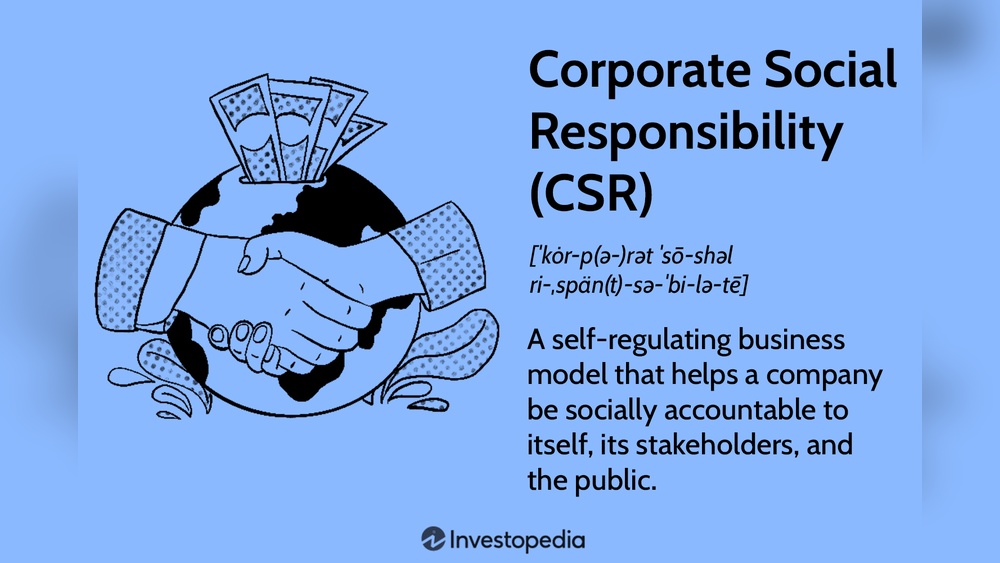
Corporate Social Responsibility (CSR) means a company cares about more than just profits. It shows how a business helps society and the environment. CSR is a key part of modern business success. It builds trust with customers and communities. Understanding CSR basics helps companies create positive impact.
CSR is about doing the right thing. It means acting responsibly toward people and the planet. Many businesses now include CSR in their core values. This helps them grow in a fair and ethical way.
Key Csr Principles
CSR relies on clear principles that guide business actions. First, transparency means sharing information honestly with the public. Next, accountability ensures companies take responsibility for their effects on society. Respect for human rights is essential. Protecting the environment is also a major focus. Finally, ethical behavior guides all business decisions.
Types Of Csr Initiatives
CSR initiatives take many forms. Environmental efforts include reducing waste and using clean energy. Social programs support education, health, and local communities. Ethical sourcing ensures suppliers meet fair labor standards. Volunteering and charity work connect companies with people in need. Employee well-being programs promote safe and healthy workplaces.

Credit: etedge-insights.com
Impact Of Csr On Business Growth
Corporate Social Responsibility (CSR) plays a vital role in business growth. It helps companies build trust with customers, employees, and communities. CSR initiatives show that a business cares about more than just profits. This positive image can lead to increased sales and better market presence. Companies that invest in CSR often see steady growth over time.
Enhancing Brand Reputation
CSR improves a company’s image in the eyes of the public. People prefer brands that support social and environmental causes. This trust can turn into loyalty, making customers choose your products over others. A strong reputation also attracts media attention and positive reviews. All these factors strengthen the brand and help it grow.
Attracting And Retaining Customers
Many customers want to buy from companies that do good in the world. CSR efforts attract these consumers and keep them coming back. Loyal customers often share their positive experiences with friends and family. This word-of-mouth marketing helps bring new customers. By focusing on social responsibility, businesses build a loyal customer base.
Boosting Employee Engagement
Employees feel proud to work for socially responsible companies. CSR programs increase job satisfaction and motivation. Engaged employees work harder and stay longer with the company. This reduces hiring costs and improves productivity. Happy workers also create a positive work environment that supports growth.
Building Trust Through Csr
Building trust through Corporate Social Responsibility (CSR) is essential for business success. Trust helps companies form strong bonds with customers, employees, and communities. Businesses that act responsibly show they care about more than profits. This commitment creates loyalty and long-term support.
Transparency And Accountability
Transparency means sharing clear and honest information. Companies must openly report their CSR efforts and results. Accountability means taking responsibility for actions and outcomes. This openness builds confidence among stakeholders. People trust businesses that admit mistakes and work to fix them.
Community Engagement
Community engagement involves working closely with local groups. Businesses support causes that matter to the community. This shows respect and understanding of local needs. Active involvement helps build a positive reputation. Communities are more likely to support companies that give back.
Ethical Business Practices
Ethical practices guide fair and honest behavior. Companies avoid shortcuts or harmful actions. They treat workers and customers with respect. Ethical businesses earn trust by doing the right thing. This trust leads to repeat business and positive word-of-mouth.

Credit: moldstud.com
Csr Strategies For Competitive Advantage
Corporate Social Responsibility (CSR) helps businesses gain a strong position in the market. It builds trust with customers and creates a good image. Companies using smart CSR strategies often see better sales and loyal customers. These strategies go beyond charity and make social and environmental concerns part of daily business. This approach brings lasting benefits and sets companies apart from competitors.
Focusing on effective CSR strategies can turn social good into business success. Here are key ways companies can use CSR for a competitive edge.
Integrating Csr Into Core Business
CSR works best when part of the main business plan. Companies must align social goals with their products and services. This creates consistent values that customers notice and appreciate. For example, a company selling eco-friendly products shows commitment by reducing waste in production. Embedding CSR in operations helps businesses stay responsible and profitable.
Collaborations And Partnerships
Working with other organizations expands CSR impact. Partnerships with nonprofits, government, or other companies bring new ideas and resources. These collaborations reach more people and solve bigger problems. Sharing expertise and costs makes CSR projects stronger and more effective. Such teamwork builds reputation and opens new opportunities.
Measuring Csr Effectiveness
Tracking results is key to good CSR. Companies should use clear metrics to see if goals are met. Measuring impact helps improve programs and shows transparency to stakeholders. Tools like surveys, reports, and audits reveal what works and what needs change. Regular review ensures CSR efforts stay focused and bring real benefits.
Challenges In Implementing Csr
Implementing Corporate Social Responsibility (CSR) brings real challenges. Businesses must manage many factors to make CSR effective. These challenges can slow down progress or create doubts about CSR efforts. Understanding these issues helps companies plan better and stay true to their goals.
Balancing Profit And Purpose
Companies need to earn money and do good at the same time. This balance is tough to keep. Spending on social causes can cut into profits. Some leaders worry about losing focus on business goals. Finding ways to support communities while staying financially strong is key.
Avoiding Greenwashing
Greenwashing means pretending to be more responsible than a company really is. This can hurt a brand’s trust and reputation. Customers and partners watch closely for honest actions. Clear, truthful communication about CSR efforts helps avoid this problem. Transparency builds confidence and loyalty.
Overcoming Resource Constraints
Small and medium businesses often lack money and staff for CSR. Limited resources make it hard to start or grow programs. Careful planning and prioritizing can stretch resources further. Partnering with local groups or other companies can also help share the load.
Future Trends In Csr
Corporate Social Responsibility (CSR) is changing fast. Businesses must adapt to new trends to stay relevant. Future CSR efforts focus on sustainability, technology, and global cooperation. These trends help companies build trust and long-term success.
Sustainability And Innovation
Sustainability is a key part of future CSR. Companies work to reduce waste and use cleaner energy. Innovation drives new eco-friendly products and processes. This approach lowers costs and helps the planet. Customers favor businesses that act responsibly.
Digital Transformation In Csr
Technology shapes how companies manage CSR. Digital tools track environmental impact and social projects. Transparency increases with real-time reporting. Social media spreads CSR messages quickly. Digital transformation makes CSR efforts clear and effective.
Global Csr Standards
Global standards guide CSR practices worldwide. Companies follow rules to meet social and environmental goals. These standards build trust across borders. They help businesses show they care about more than profit. Consistent CSR practices improve reputation and open new markets.
Frequently Asked Questions
What Is Corporate Social Responsibility (csr) In Business?
Corporate social responsibility (CSR) is a company’s commitment to ethical practices. It focuses on social, environmental, and economic impacts. CSR integrates responsible actions into business strategies to benefit communities and stakeholders.
How Does Csr Improve Business Reputation?
CSR enhances a company’s image by showing genuine care for society. Positive social initiatives build trust and loyalty among customers, employees, and investors. This improved reputation can lead to increased sales and stronger brand recognition.
Can Csr Increase Business Profitability?
Yes, CSR can boost profitability by attracting conscious consumers and investors. Efficient resource use and waste reduction lower costs. Engaged employees motivated by CSR tend to perform better, improving overall productivity and profitability.
What Are Common Csr Activities Companies Engage In?
Companies often focus on environmental sustainability, community development, fair labor practices, and philanthropy. These activities may include reducing carbon footprints, supporting education, and promoting diversity. CSR initiatives align with company values and stakeholder expectations.
Conclusion
Corporate social responsibility shapes a company’s reputation and trust. It helps build strong relationships with customers and communities. Businesses that care for society often perform better financially. Employees feel proud and motivated to work in such companies. Social responsibility also encourages sustainable growth and long-term success.
Small actions can lead to big positive changes. Embracing CSR is not just good ethics, but smart business too. The future belongs to companies that value people and the planet.