Have you ever wondered what equity really means and why it matters to you? Whether you’re planning to buy a home, invest in a company, or understand your financial health, knowing about equity can give you a powerful advantage.
This simple concept can unlock new opportunities and help you make smarter decisions with your money. You’ll discover what equity is, how it works, and why it should matter in your life. Keep reading to gain clear insights that can boost your confidence and control over your finances.
What Is Equity
Equity is a key concept in finance and business. It represents ownership in something valuable. This value can be a company, a home, or other assets. Understanding equity helps you see how much you truly own after debts and obligations.
Equity In Companies
Equity in companies means owning part of the business. Shareholders hold equity by owning shares or stock. It shows their claim on company assets and profits. The more shares owned, the bigger the ownership stake. Equity value changes with company success and market conditions.
Home Equity Basics
Home equity is the part of a house you truly own. It equals the home’s market value minus any mortgage owed. As you pay off the mortgage, equity grows. Rising home prices also increase equity. Homeowners can use equity for loans or sell the property to access its value.
Equity Vs Debt
Equity and debt are two ways to fund assets or businesses. Equity means ownership, while debt is borrowing money. Debt must be repaid with interest. Equity holders share profits but face risk if value falls. Debt holders get fixed payments regardless of success. Both have different risks and rewards.

Credit: peterlevine.ws
Types Of Equity Investments
Equity investments let you own part of a company. They offer different ways to invest, each with its risks and rewards. Understanding these types helps you choose the right option for your goals and budget.
Common Stocks
Common stocks represent ownership in a company. Shareholders get voting rights to influence company decisions. These stocks can pay dividends, but payments are not guaranteed. Prices can change quickly, giving chances for profit or loss.
Preferred Stocks
Preferred stocks are a mix of stocks and bonds. They usually pay fixed dividends regularly. Owners have priority over common stockholders in dividend payments. They do not often have voting rights. Preferred stocks offer steadier income with less risk.
Equity Mutual Funds
Equity mutual funds pool money from many investors. Fund managers buy a mix of stocks with this money. These funds spread risk across many companies. They are easier for beginners to use. You get expert management and diversification in one place.
How Equity Builds Wealth
Equity is a key way to build wealth over time. It means owning a part of a company or an asset. This ownership can grow your money in different ways. Understanding how equity builds wealth helps you make smart decisions.
Equity creates value through rising prices, regular income, and growth on growth. These parts work together to increase your wealth slowly but surely.
Capital Gains
Capital gains happen when the value of your equity rises. If you buy shares at a low price and sell them higher, you earn a profit. This profit is called a capital gain. Prices can change based on company success or market trends. Holding equity for a longer time often leads to bigger capital gains.
Dividends
Dividends are payments companies give to shareholders. They come from the company’s profits. Dividends provide steady income without selling your shares. Reinvesting dividends can add to your total returns. Many people like dividends for the extra cash flow they bring.
Compound Growth
Compound growth means earning money on your money. With equity, this happens when dividends and capital gains are reinvested. Your investment grows faster as it earns returns on previous returns. Over time, compound growth can create large wealth from small starts.

Credit: www.sfusd.edu
Smart Equity Investing Strategies
Smart equity investing strategies help build strong investment portfolios. These strategies reduce risk and increase potential returns. Understanding key approaches can guide better decisions in equity markets.
Diversification
Diversification means spreading investments across different stocks and sectors. This lowers the risk of losing money if one stock falls. It helps balance gains and losses in your portfolio. Diverse investments protect your money from market ups and downs.
Long-term Perspective
Investing with a long-term view helps ride out market changes. Stocks may drop in the short term but grow over years. Patience often leads to better returns than quick trades. Holding shares for longer lets your investment benefit from company growth.
Value Vs Growth Stocks
Value stocks are priced lower than their actual worth. These stocks may offer steady dividends and less risk. Growth stocks show high potential but can be more volatile. They focus on companies expected to grow fast. Balancing both types can improve overall portfolio health.
Risks In Equity Investing
Investing in equity offers a chance to grow wealth over time. Yet, it also carries risks. Understanding these risks helps investors make better decisions. Equity investing means buying shares of companies. The value of these shares can go up or down. Several factors influence these changes, which can affect your investment.
Market Volatility
Stock prices can change quickly and often without warning. This is called market volatility. It happens due to many reasons like news, events, or changes in investor mood. Volatility can lead to large gains or big losses in a short time. Investors must be ready for these swings and avoid panic selling.
Company Performance
The success of your investment depends on how well the company performs. Poor management, low sales, or bad decisions can reduce a company’s value. Earnings reports and business outlook often affect share prices. Keeping an eye on company health is important to protect your investment.
Economic Factors
Economic conditions influence the stock market significantly. Inflation, interest rates, and unemployment affect consumer spending and business profits. Global events and government policies can also impact the market. Economic downturns often cause stock prices to fall across many sectors.
Credit: corporatefinanceinstitute.com
Tools To Analyze Equity
Analyzing equity is vital for making smart investment choices. Using the right tools helps understand a company’s financial health and market position. These tools show how well a company performs and its future potential.
Financial Ratios
Financial ratios compare different numbers from a company’s financial statements. They show profitability, liquidity, and debt levels. Common ratios include return on equity (ROE), debt to equity, and current ratio. Investors use these to judge stability and growth.
Market Trends
Market trends reveal how stock prices move over time. Tracking trends helps spot patterns and shifts in the market. Trends can be upward, downward, or sideways. Understanding these helps predict future price changes and investor sentiment.
Technical Analysis
Technical analysis studies past stock prices and volumes. It uses charts and indicators like moving averages and RSI. This method helps find entry and exit points for trades. Many traders rely on it for short-term decisions.
Building An Equity Portfolio
Building an equity portfolio helps you grow your wealth over time. It means choosing stocks or shares that match your money goals and risk comfort. A well-built portfolio balances safety and growth. It spreads money across different companies or sectors. This reduces risk and increases chances of good returns.
Setting Financial Goals
Start by defining clear financial goals. Decide what you want to achieve with your investments. Are you saving for retirement, a house, or education? Goals guide your choices and keep you focused. They also help decide how much risk you can handle. Short-term goals need safer stocks. Long-term goals allow more risk and growth.
Asset Allocation
Asset allocation means dividing your money among different types of stocks. Choose a mix of large, medium, and small companies. Include different industries like technology, healthcare, and finance. This spreads risk and improves chances of steady gains. Balance between growth stocks and stable, dividend-paying stocks. Adjust allocation based on your goals and risk level.
Regular Review And Rebalancing
Review your portfolio regularly to keep it on track. Market changes can shift your asset mix. Rebalancing means adjusting your investments back to your chosen plan. Sell some stocks and buy others to maintain balance. This helps control risk and keeps your goals in sight. Set a schedule for reviews, such as every six months or yearly.
Frequently Asked Questions
What Is Equity In Finance?
Equity represents ownership in an asset or company. It shows the value after debts are subtracted. Investors buy equity to gain profits from company growth or dividends.
How Does Equity Differ From Debt?
Equity means ownership with profit sharing. Debt is borrowed money paid back with interest. Equity holders face more risk but have higher reward potential.
Why Is Equity Important For Businesses?
Equity funds help businesses grow without repayment pressure. It provides capital for operations and expansion. Equity also attracts investors and improves financial stability.
How Is Equity Calculated In A Company?
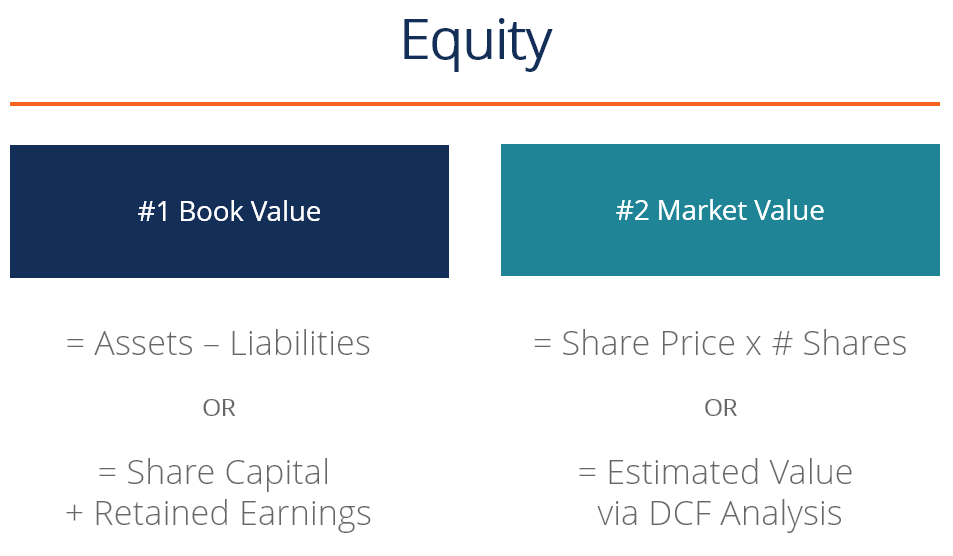
Equity equals total assets minus total liabilities. It reflects the company’s net worth. Positive equity means the company owns more than it owes.
Conclusion
Equity means owning part of something valuable. It shows what you truly own after debts. Understanding equity helps you make smart money choices. It applies to homes, businesses, and stocks. Knowing your equity can guide your financial plans. Keep track of it to see your progress.
Equity builds over time with care and patience. It’s a key idea for growing wealth steadily. Remember, clear knowledge of equity helps secure your future.