Imagine a world where your business transactions are faster, safer, and completely transparent. What if you could cut out middlemen, reduce costs, and avoid fraud—all at once?
That’s exactly what blockchain technology is doing right now. If you want to stay ahead and make smarter business decisions, understanding how blockchain transforms transactions is a game-changer. Keep reading to discover how this powerful technology can reshape your business and boost your success.
Blockchain Basics
Blockchain is a new way to keep records. It stores data in small blocks. These blocks connect to form a chain. This chain is shared across many computers. It makes business transactions safer and clearer.
Many companies use blockchain to track payments and contracts. It helps reduce errors and fraud. Businesses can trust the data because it cannot be changed easily. This trust speeds up deals and cuts costs.
Key Features
Blockchain is secure. Each block has a unique code called a hash. Changing one block breaks the chain. This makes tampering very hard.
It is transparent. Everyone in the network sees the same data. This openness builds trust among users.
Blockchain is decentralized. No single person controls it. This spreads power and lowers risk.
Transactions are fast. Automated rules called smart contracts handle deals quickly. This saves time and effort.
Types Of Blockchains
Public blockchains are open to anyone. People join and verify transactions freely. Bitcoin is an example of a public blockchain.
Private blockchains limit access. Only approved members join the network. Companies use this type to protect sensitive data.
Consortium blockchains combine features of both. A group of organizations controls the network. It balances privacy and transparency.
Trust Challenges In Traditional Transactions
Trust plays a big role in business transactions. Traditional methods often face many challenges. These challenges can slow down processes and cause doubts. Businesses need a system they can rely on. Without trust, deals become risky and complex.
Common Issues
Errors in paperwork occur frequently. These mistakes lead to delays and disputes. Fraud and forgery are constant threats. Parties may hide information or change details. Verification takes too long and costs more. Lack of transparency causes confusion. Many steps depend on middlemen, adding to complexity.
Impact On Businesses
Trust problems increase costs for companies. Delayed payments affect cash flow. Legal disputes waste time and money. Businesses lose customers due to slow service. Poor trust reduces collaboration between partners. Risk of fraud scares new clients. Overall, growth and profit suffer without reliable systems.
Blockchain Enhancing Transparency
Blockchain improves business transparency by making transactions open and clear. Every step of a deal can be seen and verified by all involved. This visibility builds trust among partners and customers. It reduces hidden risks and errors.
Businesses can share transaction data with confidence. The technology removes doubts about data accuracy. It creates a more honest and open business environment.
Immutable Records
Blockchain stores transaction data in unchangeable blocks. Once recorded, information cannot be deleted or altered. This ensures a permanent and reliable record of all dealings.
Immutable records prevent fraud and unauthorized changes. Businesses can trace every action back to its origin. This clarity helps solve disputes faster and with less conflict.
Real-time Auditing
Blockchain allows instant access to transaction data. Auditors and managers can review information as it happens. This speeds up checks and reduces errors.
Real-time auditing saves time and cuts costs. It helps businesses stay compliant with rules and regulations. Transparency improves confidence in financial reports.

Credit: www.portotheme.com
Smart Contracts Simplifying Deals
Smart contracts are changing how businesses make deals. They use blockchain technology to create automatic agreements. These contracts execute terms without needing a middleman. This makes transactions faster and more reliable. Smart contracts reduce errors and save time in business processes.
Automated Agreements
Smart contracts work by coding contract terms into software. Once conditions are met, the contract runs by itself. This removes the need for manual checks or approvals. Businesses get faster results and fewer delays. Automation also lowers the risk of mistakes. Every step follows the exact rules set in the contract.
Reducing Intermediaries
Traditional deals rely on brokers, lawyers, or banks to verify terms. Smart contracts cut out these middlemen. This lowers costs and speeds up transactions. Parties can trust the contract because it runs on blockchain. The system is transparent and secure. Removing intermediaries creates a more direct and simple process for everyone involved.
Security Improvements With Blockchain
Blockchain brings strong security to business transactions. It helps protect data and stop fraud. This technology uses complex codes and a shared network. These features make transactions safer than before. Businesses trust blockchain for its high level of security.
Data Protection
Blockchain stores data in many places at once. This makes it hard for hackers to change information. Each transaction is recorded in a block. Once added, the block cannot be changed easily. This keeps data safe and private.
Businesses can share information without fear of loss. Blockchain also uses encryption to hide data. Only authorized users can see the details. This prevents leaks and protects customer information.
Fraud Prevention
Blockchain creates a clear record of every transaction. This record cannot be altered or deleted. It helps detect fake or false activities quickly. Businesses can trace transactions step by step.
Smart contracts on blockchain act automatically. They follow rules without human error or cheating. This reduces chances of fraud in deals and payments. Companies save money and build trust with partners.

Credit: www.calibraint.com
Use Cases Across Industries
Blockchain technology changes how businesses handle transactions. It offers secure, clear, and fast ways to record data. Many industries use blockchain to improve their processes. Here are some key examples of blockchain in action across different fields.
Finance And Banking
Blockchain makes financial transactions safer and faster. It reduces errors and lowers costs by cutting out middlemen. Banks use blockchain for cross-border payments. This helps send money internationally in minutes, not days. Blockchain also improves fraud detection. It records every transaction transparently, making fraud harder to hide.
Supply Chain Management
Blockchain tracks products from origin to store shelves. It offers clear and unchangeable records of each step. Businesses use it to verify product authenticity. It helps prevent counterfeit goods in the market. Blockchain also improves inventory management. It shows real-time data, reducing waste and delays.
Healthcare
Blockchain secures patient records and controls access. It allows doctors and patients to share data safely. This improves diagnosis and treatment quality. Blockchain also tracks pharmaceuticals to avoid fake medicines. It creates trust in drug supply chains. Patient privacy stays protected while data moves smoothly.
Challenges And Limitations
Blockchain technology offers many benefits for business transactions. It can make processes faster, safer, and more transparent. Yet, several challenges limit its full potential. These challenges affect how companies adopt and use blockchain. Understanding these limits helps businesses prepare better.
Scalability Issues
Blockchain networks often face problems with handling many transactions. As more users join, the system can slow down. This delay causes longer wait times for transaction approval. Businesses needing fast processing may find this a big problem. Also, higher energy use is linked to some blockchain methods. This adds cost and environmental concerns. Developers work on solutions, but scalability remains a key challenge.
Regulatory Concerns
Blockchain operates in a complex legal environment. Different countries have different rules and laws. This creates uncertainty for businesses using blockchain. Some regulations are unclear or still evolving. This makes compliance difficult and risky. Companies worry about legal penalties or restrictions. Regulators also struggle to keep up with rapid technology changes. Clear and consistent rules are needed to ease these concerns.
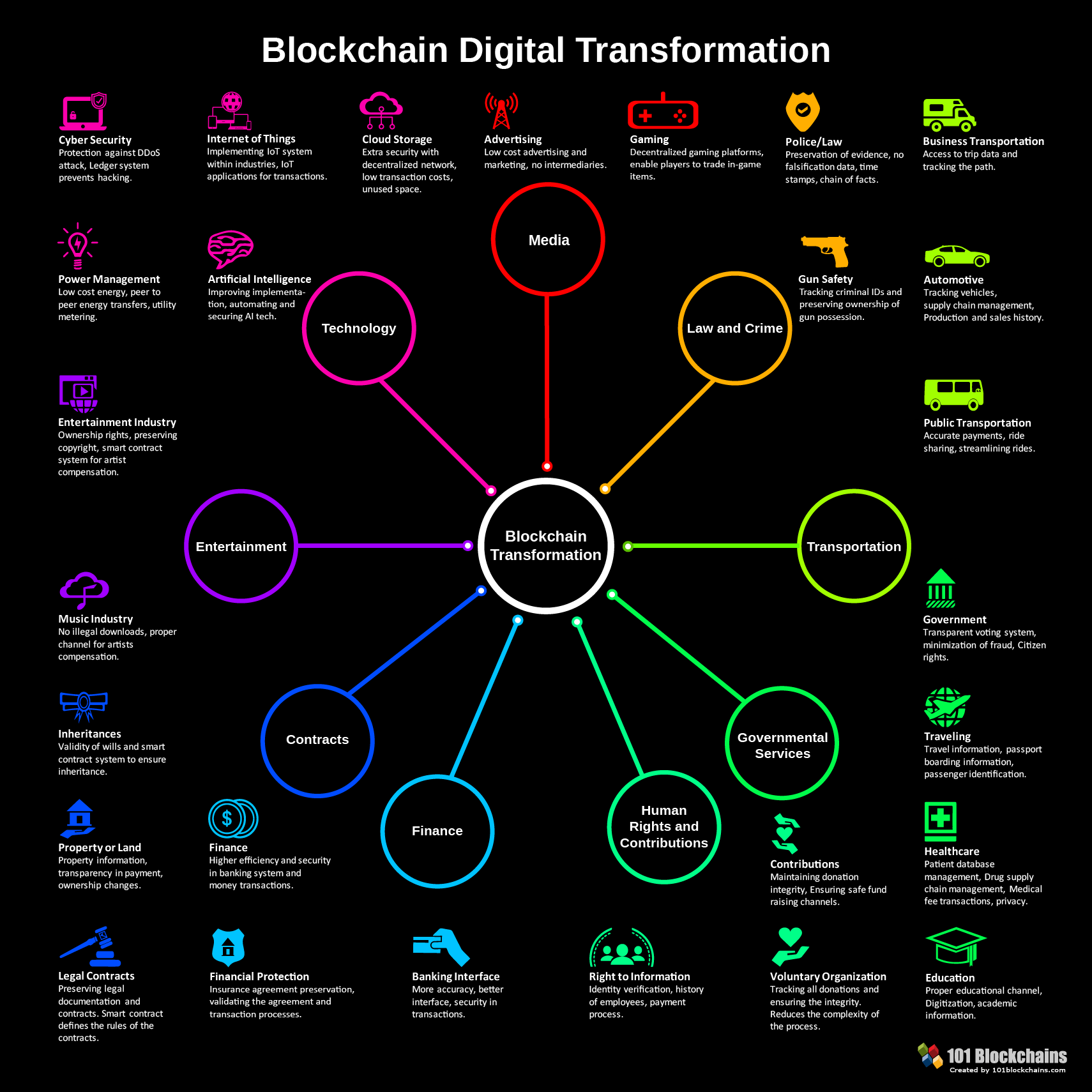
Credit: 101blockchains.com
Future Trends In Blockchain Transactions
Blockchain technology is evolving fast. Businesses will use it in new ways soon. These changes will affect how transactions happen. The future holds many exciting trends for blockchain.
Companies want faster and smarter transactions. Blockchain will combine with other tech to meet these needs. This will change business processes deeply. The trends below show how blockchain will grow.
Integration With Ai
Artificial intelligence and blockchain will work together more. AI can analyze data on the blockchain quickly. This helps spot fraud or errors early. Smart contracts will become smarter with AI. They can learn and adapt to new rules. This makes transactions safer and faster.
Decentralized Finance Growth
Decentralized finance, or DeFi, is growing fast. It uses blockchain to offer financial services without banks. People can borrow, lend, and trade directly. DeFi will attract more users and businesses. This will lower costs and increase access to finance. Blockchain will support this growth with better security.
Frequently Asked Questions
What Is Blockchain’s Role In Business Transactions?
Blockchain ensures secure, transparent, and tamper-proof transaction records. It reduces fraud and enhances trust between parties by providing decentralized verification.
How Does Blockchain Improve Transaction Speed?
Blockchain eliminates intermediaries, enabling direct peer-to-peer transactions. This reduces delays and accelerates business processes significantly.
Can Blockchain Reduce Transaction Costs For Businesses?
Yes, blockchain lowers costs by cutting out middlemen and automating processes. It streamlines payments and contract management efficiently.
What Industries Benefit Most From Blockchain Transactions?
Finance, supply chain, healthcare, and real estate benefit greatly. Blockchain enhances transparency, traceability, and security in these sectors.
Conclusion
Blockchain changes how businesses handle transactions every day. It makes deals safer and faster. Companies spend less time on paperwork and more on growth. Transparency increases trust between all parties involved. Costs drop because middlemen are less needed. This technology keeps evolving, bringing new opportunities.
Businesses that adopt blockchain may gain a strong edge. The future of transactions looks clearer and more efficient. Embracing blockchain can lead to smarter and simpler business deals.