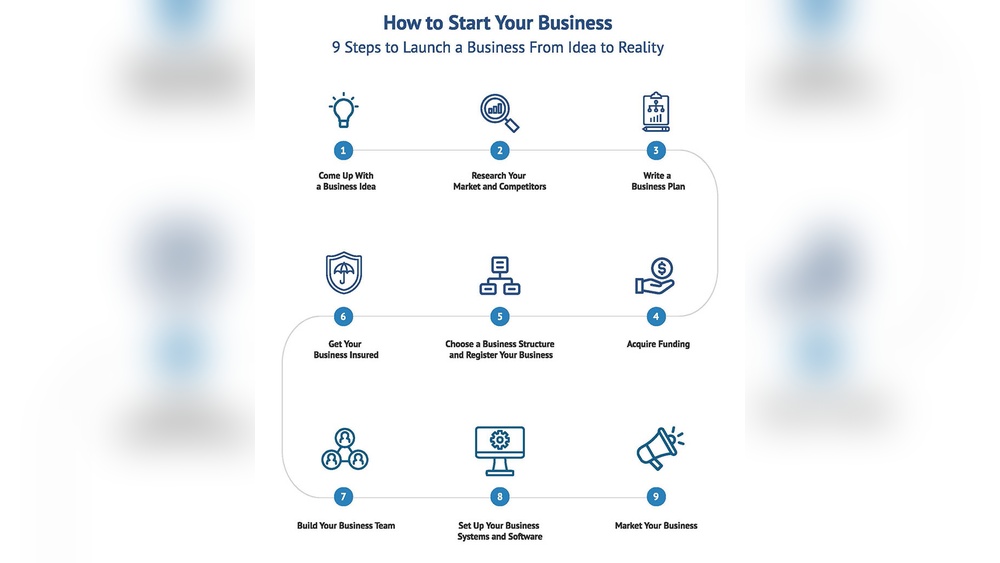
Are you ready to take your family business to the next level? Moving from family-led management to professional management can be a game changer for your company’s growth and success.
But it’s not always easy. You might feel uncertain about handing over control or worried about losing the personal touch that makes your business special. This shift requires careful planning and smart decisions. You’ll discover practical steps to make the transition smooth and powerful.
Keep reading to unlock the secrets that will help your business thrive beyond the family circle.
:max_bytes(150000):strip_icc()/personalfinance_definition_final_0915-Final-977bed881e134785b4e75338d86dd463.jpg)
Credit: www.investopedia.com
Challenges In Family Business Transition
Transitioning a family business to professional management is not simple. It involves many challenges. These challenges affect the people, roles, and decisions within the business. Understanding these issues can help ease the process and make it smoother.
Emotional Attachments
Family members often feel strong emotions about the business. It may be a source of pride and identity. Letting go can feel like losing a part of themselves. These feelings can create resistance to change. Emotional ties can cloud judgment and slow progress.
Role Conflicts
In family businesses, roles are often mixed with family roles. A parent might be both a boss and a father. A sibling may be a coworker and a rival. This overlap can cause confusion and tension. Clear role definitions are needed to avoid conflicts.
Decision-making Dynamics
Decisions in family businesses are often influenced by personal relationships. Some voices may be louder due to family status, not expertise. This can lead to poor decisions or delays. Moving to professional management requires fair and clear decision processes.
Benefits Of Professional Management
Switching from family management to professional management brings many benefits. It helps a business grow with new skills and ideas. Professional managers focus on business goals and use their experience to improve results.
Professional management brings structure and clear roles. It allows family members to step back and trust experts. This leads to better use of time and resources. The business can run smoother and face challenges better.
Improved Efficiency
Professional managers streamline daily operations. They identify waste and find better ways to work. Tasks get done faster with fewer mistakes. Teams communicate clearly and work as one unit. This saves money and boosts productivity.
Access To Expertise
Experts bring skills that family members may lack. They know the latest tools and market trends. This knowledge helps the business stay competitive. Professionals also bring fresh ideas for growth. Their experience guides smart investments and strategies.
Objective Decision Making
Professional managers focus on facts, not emotions. They make fair and logical choices for the business. This avoids family conflicts and personal biases. Decisions are based on data and clear goals. The business moves forward with a strong plan.
Preparing For The Transition
Preparing for the transition from a family-run business to professional management takes careful thought. It involves understanding what works now and what needs to change. This step sets the stage for a smooth shift in leadership. A clear plan helps avoid confusion and keeps the business stable during change.
Assessing Current Structure
Start by looking closely at how the business runs today. Check the roles everyone plays and how decisions are made. Notice strengths that keep the business strong. Spot weaknesses that slow growth or cause problems. This review shows what to keep and what to improve.
Identifying Skill Gaps
Next, find out what skills the team lacks. Compare current skills with those needed for future goals. Think about leadership, finance, marketing, and operations. Missing skills can block progress. Knowing these gaps helps in hiring or training the right people.
Setting Clear Goals
Define what success looks like after the transition. Set specific goals for growth, management, and culture. Make sure goals are simple and measurable. Clear goals guide decisions and keep everyone focused. They also help track progress over time.
Selecting The Right Professionals
Selecting the right professionals is a crucial step in moving from a family-run business to one led by experts. Choosing skilled people helps the company grow and stay strong. This process takes careful planning and clear goals.
Defining Key Roles
Start by listing the most important jobs your business needs. Each role should have clear duties and responsibilities. Define what skills and experience are necessary for each position. This clarity helps find the best candidates and avoids confusion later.
Recruitment Strategies
Use several methods to find qualified candidates. Post job ads on popular websites and social media. Consider working with recruitment agencies that specialize in your industry. Ask current employees for referrals. This mix increases your chances of finding strong talent.
Cultural Fit Considerations
Choose people who match your company’s values and work style. A good cultural fit improves teamwork and communication. Look for candidates who respect the family’s legacy but bring fresh ideas. This balance helps the business succeed with new leadership.
Managing Family Involvement Post-transition
Managing family involvement after moving to professional management is a big challenge. Family members need clear roles to avoid confusion. Emotions can run high, so careful handling is key. The goal is to keep family support while ensuring smooth business operations.
Setting clear boundaries and maintaining open talks help balance family ties with business needs. This balance builds trust and keeps the business on track.
Redefining Roles
Family members must have clear, new roles after the change. Their place in the business should fit their skills and interests. This avoids overlap with professional managers. Everyone should know who is responsible for what. Role clarity prevents conflicts and helps teamwork.
Maintaining Communication
Regular talks keep family members informed and involved. Sharing updates and listening to concerns builds trust. Meetings should be simple and focused on key issues. Open communication reduces misunderstandings. It also helps family members feel valued and connected.
Balancing Control And Influence
Family members may want to keep control but must accept professional limits. They can guide big decisions without running daily operations. Finding this balance protects the business and respects family ties. Clear rules about decision-making help avoid power struggles.
Credit: www.template.net
Implementing Effective Governance
Implementing effective governance is a key step in moving from a family business to professional management. It helps build structure and trust. It guides decision-making and protects the company’s future.
Good governance creates clear roles and rules. It supports fair management and transparency. These elements are essential for growth and stability.
Establishing Boards
Boards provide leadership and oversight. They include family members and outside experts. Their role is to guide the business strategy and monitor management.
Boards create a balance of power. They prevent decisions based on personal interests. This helps the business stay focused on goals and long-term success.
Creating Policies
Policies set clear rules for operations and behavior. They cover areas like hiring, finances, and conflict resolution. Written policies reduce confusion and bias.
Policies ensure everyone knows their duties. They help maintain consistency and fairness. This builds confidence inside and outside the company.
Ensuring Accountability
Accountability means people are responsible for their actions. It ensures managers follow rules and meet goals. Regular reviews and reports keep track of progress.
Clear accountability builds trust within the team. It encourages good performance and quick problem-solving. This creates a strong and reliable business culture.
Monitoring And Adapting The Management Model
Monitoring and adapting the management model is key when shifting from a family business to professional management. It helps keep the business on track and ready for change. Regular checks show what works and what needs fixing. Adapting the model ensures the company grows strong and stays competitive.
Measuring Performance
Track key results often. Use clear, simple numbers like sales, costs, and customer satisfaction. Compare these with goals set earlier. This shows how well the new management is doing. It also points out areas needing help or change.
Gathering Feedback
Listen to employees, customers, and partners. Ask for their honest thoughts on changes in management. Use surveys, meetings, or informal talks to collect opinions. Feedback helps find hidden problems and new ideas. It builds trust and encourages teamwork.
Continuous Improvement
Use performance data and feedback to make small changes regularly. Avoid big shifts that confuse staff. Keep improving processes and leadership styles bit by bit. This keeps the business flexible and ready for future challenges. Learning and adapting must be part of daily work.

Credit: www.excelsior.edu
Frequently Asked Questions
What Are The Benefits Of Moving To Professional Management?
Professional management brings expertise, structure, and growth potential. It improves decision-making and operational efficiency. This shift often leads to better scalability and sustainability for the business.
How To Prepare A Family Business For Professional Management?
Start by defining roles clearly and setting formal processes. Introduce governance systems and hire experienced managers. Communicate openly with family members to align goals and expectations.
What Challenges Arise During The Transition To Professional Management?
Common challenges include resistance from family members, loss of control, and cultural clashes. Managing emotions and expectations is crucial. Clear communication and gradual change help ease the transition.
When Should A Family Business Switch To Professional Management?
Consider switching when the business grows beyond family capacity or faces complex operations. Also, when succession planning demands external expertise, professional management ensures continuity and growth.
Conclusion
Moving from family leadership to professional management takes clear planning. Trust builds slowly but grows strong with open communication. New skills and fresh ideas help the business grow. Challenges will come, but steady effort brings success. Embrace change as a chance to improve and learn.
The future looks bright with teamwork and respect. Keep your goals in sight and stay flexible. This shift can bring lasting benefits for everyone involved.