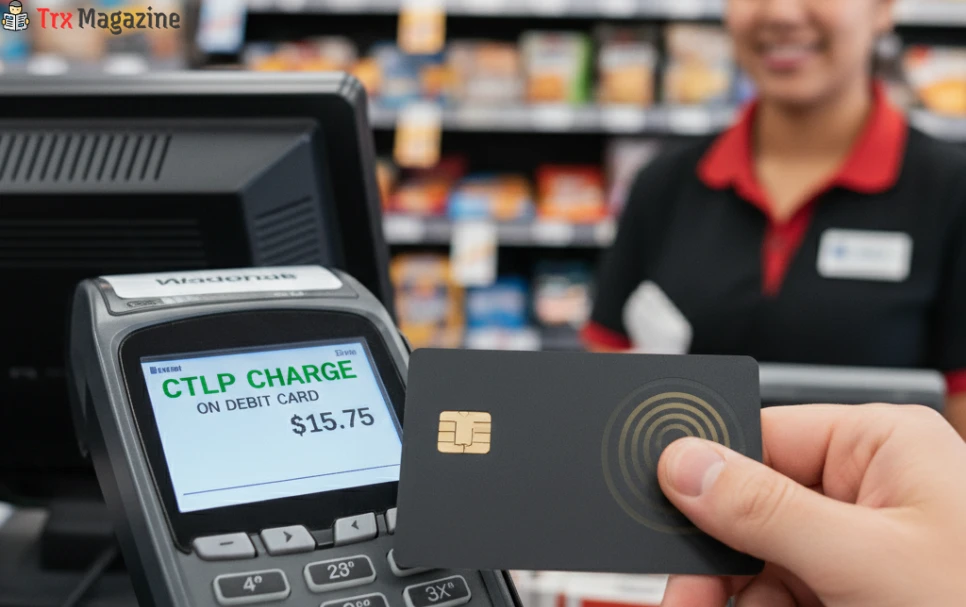
Have you ever spotted a mysterious CTLp charge on a debit card and wondered what it means? You’re not alone.
Unexpected charges can be confusing and even a little worrying. But don’t panic just yet. Understanding what this charge represents and knowing the steps to take can save you time, money, and stress. You’ll discover exactly what a CTLp charge is, why it might appear on your statement, and what actions you should take next.
Keep reading to protect your finances and gain clarity on your debit card transactions.
What Is CTLP Charge Debit Card
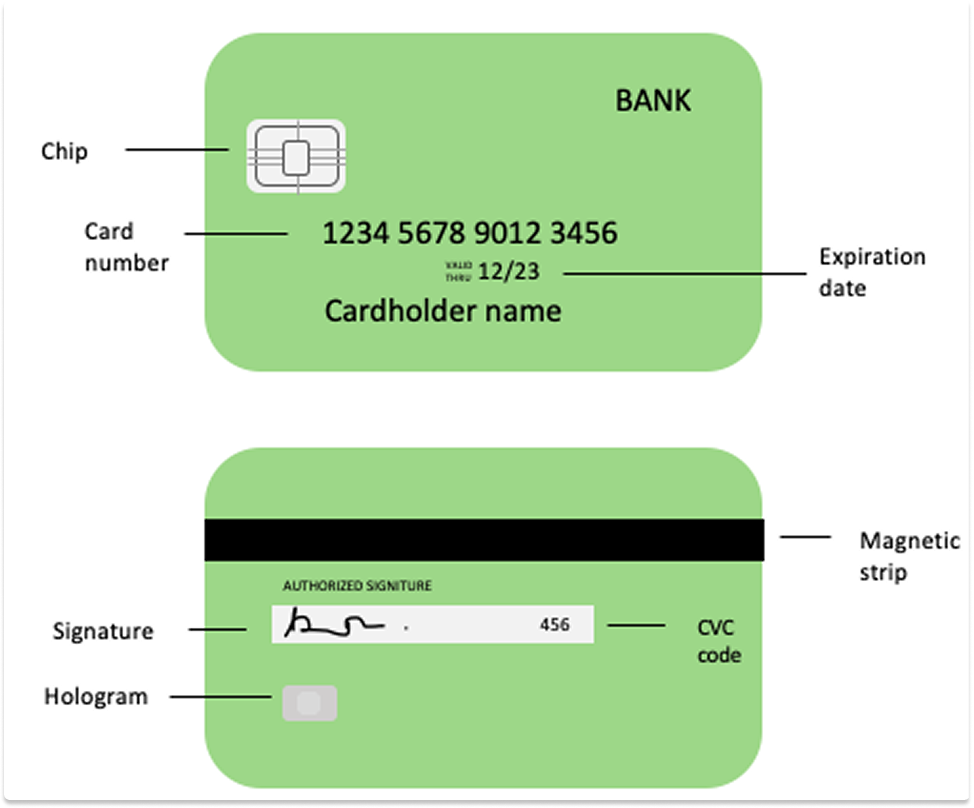
Seeing a CTLP charge on your debit card can be confusing. This type of charge often appears without clear details. Many people wonder what CTLP stands for and why it shows up on their statements.
CTLP charge usually relates to payments processed through certain merchants or payment systems. Understanding what it means helps you decide if the charge is valid or needs investigation.
Common Merchant Names
CTLP charges often link to various merchant names. These names might not match the store where you shopped. Sometimes, the name represents a payment processor or a holding company. This can make it tricky to identify the exact source.
Common merchant names tied to CTLP include “CTLP Inreach,” “CTLP Services,” or similar variations. These can appear on statements if a business uses third-party payment services.
Possible Origins Of CTLP
The CTLP charge may come from online purchases, subscriptions, or service fees. Some businesses use CTLP as a code for their transaction processing. It can also be linked to travel bookings or digital platforms.
In some cases, CTLP charges appear due to recurring payments you might have forgotten. It might also be a delayed charge from a previous purchase or reservation.
How It Appears On Statements
On your debit card statement, CTLP charges appear as a transaction line item. The description may include CTLP followed by other text or merchant details. The amount and date will be listed as usual.
Sometimes, the charge shows only the code without a clear business name. This can make it harder to identify without further investigation. Checking your recent activity or receipts helps match the charge to a purchase.
Reasons For CTLP Charges
CTLP charges on your debit card can confuse many cardholders. These charges often appear without clear explanations. Understanding the common reasons helps you spot legitimate charges from suspicious ones. Below are typical causes of CTLP charges that might show up on your statement.
Subscription Services
Many CTLP charges come from subscription services. These include streaming apps, online memberships, and digital content platforms. Sometimes, you may forget about a trial period turning into a paid subscription. The charge may show as CTLP if the service uses a third-party billing system. Always check your active subscriptions regularly to avoid surprises.
Third-party Processors
Some merchants use third-party payment processors. These companies handle payments on behalf of businesses. The name on your statement may show CTLP instead of the store or service. This can make it hard to recognize the charge. Searching for the payment processor’s name online can help identify the source.
Fraudulent Or Unauthorized Charges
CTLP charges can also be signs of fraud. Unauthorized transactions may appear as CTLP to hide the real merchant. If you see unknown CTLP charges, act fast. Contact your bank or card issuer to report suspicious activity. Monitoring your account often helps catch fraud early.
How To Identify CTLP Charges
Identifying CTLP charges on your debit card helps prevent confusion. These charges may appear unfamiliar and cause concern. Knowing how to spot them quickly keeps your finances clear.
Several simple steps help you confirm if a charge is CTLP. Checking transaction details is the first move. This gives basic but crucial information.
Check Transaction Details
Look at your debit card statement for the charge date and amount. Note the merchant name listed next to the charge. Sometimes, the name shows as an acronym or abbreviation. This can be a clue to the CTLP charge.
Also, check if the charge repeats monthly or weekly. Recurring charges often come from subscriptions or services linked to CTLP.
Search Merchant Names Online
Type the merchant name into a search engine. Search results often explain the business behind the charge. Many CTLP charges come from payment processors or third-party services. These might not match the brand you recognize.
Look for forums or websites where users discuss similar charges. This can confirm if others have seen the same CTLP debit card charge.
Review Receipts And Order History
Find receipts or emails from recent purchases around the charge date. Match the amount with the transaction on your statement. This confirms if the charge is valid.
Check your online order history on shopping or service websites. Sometimes, charges appear under parent company names like CTLP, not the store name.
Use Payment Processor Lookup Tools
Some payment processors offer tools to identify unclear charges. Enter the transaction details in these tools to find the merchant. Stripe and similar services provide this feature.
This step helps uncover hidden business names behind CTLP charges. It also helps verify the origin of your debit card transactions quickly.
Steps To Take If You Don’t Recognize The Charge
Discovering an unknown CTLP charge on your debit card can cause concern. Taking quick action helps protect your money. Follow these clear steps to address any unfamiliar charges and keep your account safe.
Contact Your Bank Or Card Issuer
Call your bank or card issuer immediately. Explain that you do not recognize the CTLP charge. Ask for details about the transaction. The bank can verify the merchant and provide more information. They may also block your card to prevent further unauthorized use.
Dispute Unauthorized Charges
Request to dispute the CTLP charge if it is unauthorized. Fill out any required forms your bank provides. Submit evidence like receipts or statements if possible. The bank will investigate and may refund your money. Keep records of all communications for future reference.
Monitor Your Account For Suspicious Activity
Check your bank statements regularly. Look for other strange or unexpected charges. Set up alerts for transactions to stay informed. Change your online banking passwords for added security. Report any new suspicious activity to your bank right away.
Preventing Unexpected Charges
Unexpected charges on your debit card can be frustrating and confusing. Taking steps to prevent these charges helps protect your money. Staying alert and proactive reduces surprises on your bank statements. Simple habits can keep your finances safe and clear.
Regularly Review Statements
Check your debit card statements every week or month. Look at each transaction carefully. Spot charges you do not recognize or remember. Early detection helps you act fast to fix errors or fraud. Keep a record of your regular purchases for easy comparison.
Manage Subscriptions And Recurring Payments
List all your active subscriptions and recurring payments. Cancel services you no longer use or need. Sometimes charges come from forgotten subscriptions. Update your payment details when changing cards or banks. This prevents old charges from appearing unexpectedly.
Set Up Alerts For Transactions
Use your bank’s alert system to get notifications. Receive texts or emails for every debit card use. Alerts help you track spending instantly. You can spot unusual activity right away. This quick response limits potential losses from fraud.
Frequently Asked Questions
How Do I Figure Out Where A Charge On My Card Came From?
Check your card statement for the merchant’s name, date, and amount. Search the merchant online or review receipts. Contact your bank for unclear charges or disputes.
What Do I Do If I Don’t Recognize A Charge On My Debit Card?
Review your statement for merchant details and transaction date. Search the merchant online and check receipts or order history. Contact your bank immediately to report unknown charges or dispute fraud. Act fast to protect your account and prevent further unauthorized use.
How Do You Know If Your Debit Card Has Been Hacked?
Check your statement for unfamiliar transactions or amounts. Watch for declined purchases or alerts from your bank. Monitor account activity regularly and report suspicious charges immediately.
What Is A Ghost Charge On A Debit Card?
A ghost charge on a debit card is a temporary hold, not an actual payment. It appears during transactions to verify funds, but disappears after processing.
Conclusion
Understanding the CTLP charge on your debit card helps you stay in control of your money. Always check your bank statement carefully for unfamiliar charges. Use online tools or search the merchant name to identify unknown transactions. Keep receipts and order history handy to match purchases.
When unsure, contact your bank right away for help. Acting quickly can protect your account from fraud. Stay aware and manage your debit card charges with confidence.