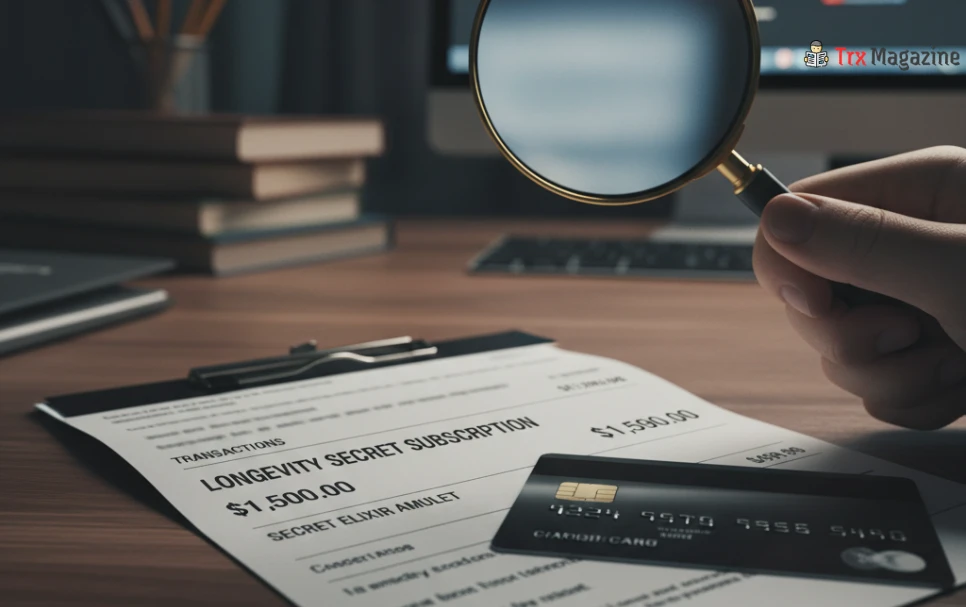
Have you ever spotted a mysterious “Longevity Secret” charge on your credit card statement and wondered what it means? It’s confusing and maybe even a little worrying to see an unfamiliar charge without clear explanation.
But don’t panic just yet. Understanding where this charge comes from and why it appears can save you from unnecessary stress and help you take control of your finances. You’ll discover exactly what the “Longevity Secret” charge is, why it shows up, and what steps you can take to handle it.
Keep reading to clear up the mystery and protect your wallet. Visit our website for more information about credit card.
Longevity Secret Charge Defined
The term Longevity Secret Charge on a credit card refers to a specific transaction label. This label often appears on statements after purchasing certain products or services. Many cardholders find this charge unfamiliar and wonder about its origin and purpose.
This charge is linked to health, wellness, or lifestyle products aimed at promoting longer, healthier lives. Understanding this charge helps users verify their purchases and avoid confusion or unauthorized use of their card.
Origin Of The Charge
The Longevity Secret Charge usually comes from companies specializing in health supplements or wellness programs. These businesses often use this name as a merchant descriptor to indicate their focus on longevity and vitality.
It may also appear due to subscriptions or one-time purchases of health-related content. The descriptor helps banks and cardholders identify the nature of the transaction quickly.
Associated Products And Services
Products linked to this charge include dietary supplements, vitamins, and herbal remedies. Many companies offer these items as part of a broader wellness plan. Services might include online coaching, fitness programs, or health consultations.
Sometimes, the charge appears for trial subscriptions or membership fees to wellness clubs. Users should review their purchase history to confirm the source of the charge.
Identifying The Charge On Your Statement
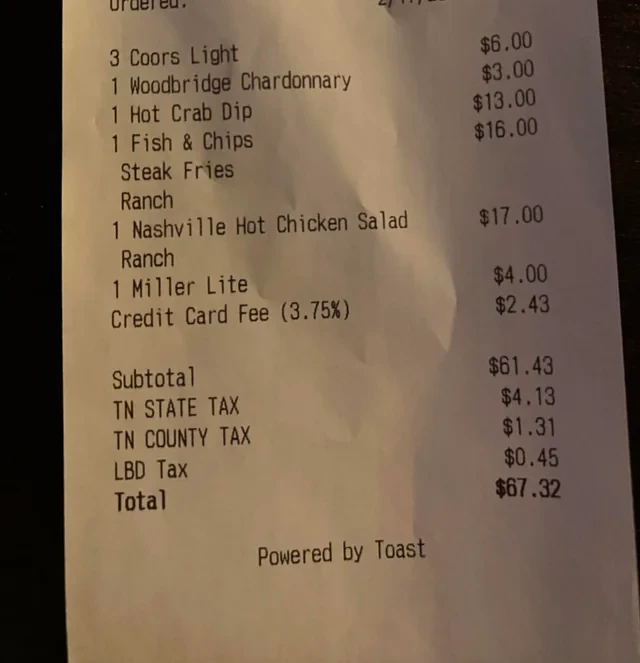
Seeing an unfamiliar charge on your credit card statement can cause worry. Identifying the Longevity Secret charge is important to understand its origin. This step helps you verify the transaction and avoid potential fraud. It also ensures your statement is accurate and clear.
Below are key methods to help you identify unknown charges quickly and accurately.
Merchant Category Codes Explained
Merchant Category Codes (MCC) classify businesses by the type of goods or services they provide. Each transaction on your credit card statement includes an MCC. This code helps you know the general source of the charge. For example, a health store or wellness service might have a specific MCC.
You can find MCC details by contacting your card issuer or checking their online tools. Understanding MCCs narrows down the business type behind the charge. It makes it easier to confirm if the Longevity Secret charge matches a service or product you used.
How To Trace Unknown Transactions
Start by reviewing recent purchases and subscriptions you remember. Sometimes charges come from related companies or subsidiaries with different names. Check emails or receipts for clues matching the charge amount or date.
Call your credit card customer service if the charge still seems unclear. They can provide additional details about the merchant. Reporting suspicious charges quickly helps protect your account from fraud.
Common Reasons For Unexpected Charges
Unexpected charges on your credit card can cause confusion and concern. These charges often appear without clear explanation. Understanding common reasons helps you manage your finances better. Some charges come from services or products you forgot about. Others may result from errors or unauthorized use. Awareness of these causes allows quick action to resolve issues.
Subscription Renewals
Many services charge automatically when subscriptions renew. Monthly or yearly fees may appear without a new purchase. Companies often send reminders, but they can be missed. These charges are common for streaming, apps, or memberships. Reviewing your subscriptions regularly helps avoid surprises.
Trial Period Conversions
Free trials often convert to paid plans automatically. If you forget to cancel before the trial ends, charges start. This is a common cause of unexpected bills. Reading trial terms carefully prevents unwanted payments. Marking cancellation dates on your calendar is useful.
Unauthorized Transactions
Unauthorized transactions occur when someone uses your card without permission. This can happen due to theft or data breaches. Monitoring your statements helps spot these charges quickly. Reporting suspicious activity to your bank protects your account. Always keep your card details secure and private.
Steps To Verify Legitimacy
Verifying the legitimacy of a “Longevity Secret” charge on your credit card is important. It helps protect your money and prevents fraud. Follow clear steps to confirm if the charge is valid or not. These steps guide you through simple checks before taking further action.
Contacting Customer Service
Call the customer service number on the back of your credit card. Explain the charge and ask for details about the transaction. Customer service can tell you the merchant name and date of purchase. They may also flag suspicious charges or mark them as disputed. Keep notes of your conversation for future reference.
Checking With Your Bank Or Card Issuer
Log in to your online banking or mobile app to review recent transactions. Look for any unfamiliar charges or repeats of the “Longevity Secret” listing. Contact your bank or card issuer directly to report suspicious activity. They can block your card and issue a new one if needed. This step helps stop further unauthorized charges quickly.
Preventing Unwanted Credit Card Charges
Unwanted credit card charges can cause stress and confusion. Preventing these charges helps protect your finances. Simple habits and tools keep you in control of your spending. Staying alert reduces the risk of unexpected fees and fraudulent charges. Here are practical steps to prevent unwanted credit card charges.
Setting Up Payment Alerts
Payment alerts notify you about upcoming due dates and transactions. You receive emails or text messages when a payment is due. Alerts help avoid late fees and missed payments. Some banks allow you to set thresholds for transaction amounts. This way, you get notified if a charge exceeds your limit.
Monitoring Statements Regularly
Check your credit card statements every month. Look for unfamiliar or incorrect charges immediately. Early detection helps resolve issues faster. Use online banking or mobile apps for quick access to statements. Report suspicious activity to your card issuer without delay.
Using Virtual Or Ghost Cards
Virtual cards are temporary numbers linked to your main account. They protect your real card details during online shopping. Ghost cards are used by businesses for controlled spending. Both reduce the risk of fraud and unauthorized charges. Use these cards for subscriptions or one-time purchases to stay safe.
Handling Disputes And Unauthorized Charges
Dealing with disputes and unauthorized charges on your credit card can be stressful. Understanding how to handle these issues protects your finances and credit score. Prompt action helps resolve problems quickly and limits your liability.
Filing A Dispute With Your Card Issuer
Start by reviewing your credit card statement carefully. Identify any charge that you do not recognize or believe is incorrect. Contact your card issuer immediately using the phone number on the back of your card. Explain the charge in question and why you dispute it. Provide any evidence or receipts supporting your claim. Your issuer may issue a temporary credit while investigating the dispute. Keep records of all communication for reference. Most disputes resolve within 30 to 90 days.
Reporting Fraud And Identity Theft
Unauthorized charges may signal fraud or identity theft. Notify your card issuer right away to prevent further unauthorized use. Ask to block or cancel your current card and request a new one. File a report with the Federal Trade Commission (FTC) through IdentityTheft.gov. Consider placing a fraud alert or credit freeze on your credit reports to stop new accounts from opening. Check your credit reports regularly to spot suspicious activity early. Quick reporting limits your financial losses and helps recover stolen funds.
Tips For Managing Health-related Purchases
Managing health-related purchases is important to avoid unexpected credit card charges. Careful handling helps keep your budget safe while supporting your wellness goals. Understanding how wellness services bill and checking terms before buying can prevent confusion and extra costs. Here are practical tips to manage these purchases effectively.
Understanding Wellness Service Billing
Wellness services often have unique billing practices. Charges may appear under different names on your credit card. Some services bill monthly, while others charge per session or product. Knowing this helps you recognize legitimate charges quickly. Always ask the provider how and when they bill you. Keep receipts and check your statements regularly to spot errors.
Reviewing Terms Before Purchase
Reading the terms before buying health products or services is crucial. Terms explain refund policies, cancellation rules, and billing cycles. Some wellness offers include hidden fees or auto-renewals. Confirm what you are agreeing to avoid surprises. If the terms seem unclear, request clarification from the seller. Taking time here saves money and stress later.
Frequently Asked Questions
What’s That Charge On My Credit Card?
That charge may be a purchase, subscription, or fee from a merchant. Check your statement details or call your card issuer for clarity.
How To Avoid Hidden Charges In Credit Card?
Review your credit card terms carefully. Pay bills on time and in full to avoid interest and late fees. Monitor statements for unauthorized charges. Contact your issuer promptly to clarify any unclear fees. Choose cards with transparent fee structures to minimize hidden charges.
What Is A Ghost Charge On A Credit Card?
A ghost charge is a transaction from a virtual or temporary card linked to a main credit account. Businesses use ghost cards to control spending without issuing physical cards. These charges appear on your statement but come from authorized, company-managed accounts rather than individual cards.
Why Am I Getting Random Charges On My Credit Card?
Random credit card charges often result from unauthorized use, subscription renewals, or billing errors. Review transactions and contact your card issuer immediately.
Conclusion
Understanding the Longevity Secret charge helps protect your finances. Always check your credit card statements carefully each month. Contact your card issuer immediately if you spot unfamiliar charges. Knowing the source of charges prevents surprises and unwanted fees. Stay alert to maintain control over your spending habits.
Simple steps can keep your credit card use safe and clear. This knowledge supports better money management and peace of mind.