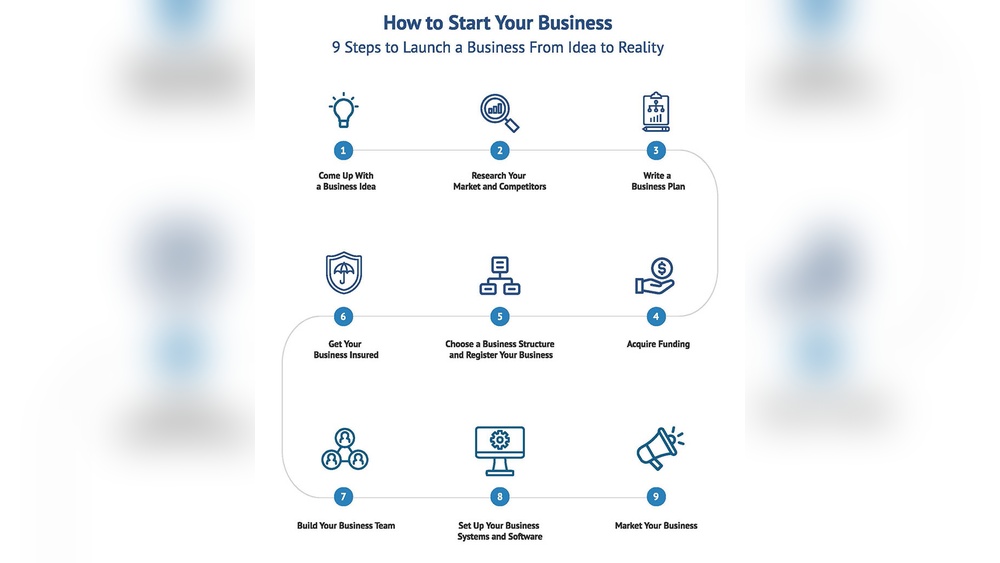
Starting your own business is exciting, but it’s easy to stumble along the way. You might think you have everything figured out, yet small mistakes can quietly hold you back.
What if you could spot these common pitfalls before they slow your progress or drain your resources? You’ll discover the 10 most common business mistakes entrepreneurs make—and how to avoid them. By understanding these traps, you’ll be better prepared to steer your venture toward real success.
Keep reading to protect your hard work and turn your business dreams into reality.

Credit: fedbizaccess.com
Lack Of Business Plan
Many entrepreneurs start their business without a clear plan. This lack of a business plan often leads to confusion and missed opportunities. A business plan acts as a roadmap. It guides decisions and helps track progress.
Without a plan, entrepreneurs may waste time and money. They risk losing focus on their goals. Understanding why a business plan matters can prevent these problems.
Why Plans Matter
A business plan outlines your goals and strategies. It helps you understand your market and customers. This clarity improves decision-making. Investors and partners often require a solid plan before offering support. A well-crafted plan also helps manage risks. It shows how to handle challenges and grow steadily.
Common Pitfalls
Many skip the planning stage to start quickly. This mistake causes unclear goals and poor budgeting. Entrepreneurs may underestimate costs or overestimate sales. They might ignore competition or customer needs. Without a plan, it is hard to measure success. Businesses can drift without clear direction and fail early.
Poor Market Research
Poor market research is a major mistake many new entrepreneurs make. It leads to weak business decisions and wasted resources. Without solid research, businesses struggle to meet customer needs and face tough competition.
Understanding the market helps avoid costly errors. It guides product development and marketing strategies. Two key parts of market research are identifying the target audience and analyzing competitors.
Identifying Target Audience
Knowing who your customers are is vital. Define their age, location, interests, and problems. This helps tailor products and messages to their needs. Without a clear target, marketing efforts become broad and ineffective.
Research customer preferences and buying habits. Use surveys, interviews, or online tools. This data directs product design and sales tactics. A well-defined audience increases chances of success and customer loyalty.
Analyzing Competitors
Study competitors to understand the market landscape. Look at their strengths and weaknesses. Notice what customers like or dislike about their products. This insight helps find gaps your business can fill.
Analyze pricing, marketing, and customer service strategies. Avoid repeating their mistakes and improve on their successes. Competitor analysis keeps your business relevant and competitive in the market.
Ignoring Customer Feedback
Ignoring customer feedback is a costly mistake many entrepreneurs make. Customers share valuable insights about products and services. Ignoring their voices can lead to lost sales and damaged reputation. Paying attention to feedback helps businesses grow and improve.
Listening To Customers
Successful businesses listen carefully to their customers. They read reviews, answer questions, and watch for complaints. This shows respect and builds trust. Listening also reveals what customers like and dislike. It helps spot problems early and avoid bigger issues.
Adapting Based On Input
Feedback only matters if you act on it. Businesses should change products, services, or policies based on customer suggestions. Adapting shows customers their opinions matter. It increases satisfaction and loyalty. Sticking to old ways despite feedback can hurt a business’s chances of success.
Cash Flow Problems
Cash flow problems rank among the most common hurdles entrepreneurs face. Running out of cash can stop your business suddenly. It restricts daily operations and growth plans. Understanding how to manage cash flow is vital for any business.
Many businesses fail not because they lack profit but because of poor cash management. Cash flow issues often come from delayed payments or unexpected expenses. Keeping a close eye on finances helps prevent these risks and keeps the business stable.
Managing Finances
Track every dollar coming in and going out. Use simple accounting tools to keep records accurate. Know your cash flow cycle and plan for slow periods. Set a budget and review it regularly to avoid surprises. Save some cash as a buffer for emergencies. Monitor invoices and follow up on late payments promptly. Regular financial checks help you spot problems early and act fast.
Avoiding Overspending
Spend only on what directly helps your business grow. Avoid buying fancy office items or unnecessary software at the start. Prioritize essential costs like marketing, inventory, and staff. Compare prices before buying and negotiate for better deals. Cut costs on non-essentials to stretch your budget. Keep personal and business expenses separate to avoid confusion. Smart spending keeps cash flow steady and supports long-term success.
Doing Everything Yourself
Many entrepreneurs try to manage every task alone. They believe doing everything themselves saves time and money. This mindset can slow business growth and cause burnout. Handling all duties leaves little room for strategy or innovation. Delegating tasks helps focus on what matters most. Understanding the limits of solo work is key to success.
Delegation Benefits
Delegation improves efficiency by spreading workload. It frees entrepreneurs to concentrate on core business activities. Assigning tasks to others builds trust and accountability. Delegation also develops team skills and confidence. Entrepreneurs avoid mistakes caused by fatigue and stress. Sharing responsibilities encourages fresh ideas and perspectives. It helps meet deadlines and maintain quality. Overall, delegation supports steady business progress and reduces pressure.
Building A Team
Building a team starts with hiring the right people. Choose individuals with skills that complement your strengths. A good team shares the workload and supports each other. Clear roles and communication create smooth workflows. Invest time in training to improve performance. A strong team adapts quickly to challenges and changes. Collaboration leads to better decision-making and creativity. Teams allow entrepreneurs to grow their business faster and smarter.
Assuming No Competition
Assuming no competition is a critical mistake many new entrepreneurs make. They believe their product or service is unique and that no one else offers something similar. This mindset can lead to poor planning and missed opportunities to improve. Every business faces competitors, even if they seem hidden at first.
Ignoring competition leaves entrepreneurs unprepared for market challenges. It limits their ability to adapt and grow. Recognizing rivals early helps in crafting better strategies. It also pushes businesses to offer better value to customers.
Recognizing Market Rivals
Identifying competitors starts with research. Look beyond obvious companies in the same field. Consider indirect competitors who solve similar problems differently. Use online tools, customer feedback, and industry reports to gather information.
Understanding rivals’ strengths and weaknesses provides insight. It reveals gaps in the market to exploit. Knowing competitors’ prices, features, and marketing helps set realistic goals. This knowledge keeps your business relevant and customer-focused.
Staying Competitive
Competition drives innovation and improvement. Stay competitive by regularly reviewing your business model. Update products and services based on customer needs and market trends. Focus on quality, price, and customer experience.
Build strong customer relationships through excellent service. Encourage feedback and respond quickly to issues. Keep an eye on new entrants and changing market conditions. Flexibility and learning from competitors ensure long-term success.
Hiring Friends
Hiring friends can feel like a natural step for new entrepreneurs. Trust and familiarity seem to promise a smooth working relationship. Yet, mixing friendship with business often brings unexpected challenges. Clear boundaries and communication become essential to avoid conflicts. Understanding common pitfalls helps maintain both the friendship and the business.
Balancing Personal And Professional
Separating friendship from work is difficult but necessary. Personal feelings may cloud judgment on performance. Business decisions must stay objective and fair. Treat friends as you would any employee or partner. Keep personal matters outside the workplace. This balance protects relationships and company goals.
Setting Clear Expectations
Define roles and responsibilities from the start. Discuss work hours, tasks, and accountability openly. Agree on how to handle disagreements professionally. Write down agreements to avoid misunderstandings later. Clear expectations prevent resentment and confusion. This clarity supports a strong, productive team.

Credit: cumberlandbusiness.com
Neglecting Legal Structure
Many entrepreneurs overlook the importance of choosing the right legal structure. This mistake can cause problems later. Legal structure affects taxes, liability, and daily operations. A wrong choice may expose personal assets to business risks. It can also limit growth and complicate funding. Early attention to legal structure saves time and money.
Choosing The Right Entity
Selecting the proper business entity matters a lot. Options include sole proprietorship, partnership, LLC, and corporation. Each has different rules for taxes and liability. Sole proprietorships are easy to start but offer no liability protection. LLCs protect personal assets and offer tax flexibility. Corporations suit larger businesses seeking investment. Understand your goals before deciding.
Protecting Business Assets
A solid legal structure shields your personal assets from business debts. Without protection, personal savings, home, and car could be at risk. Proper entity choice creates a barrier between business liabilities and personal wealth. This protection helps reduce stress and financial risk. It also builds trust with banks and investors. Protect assets by setting up the right legal entity early.
Overspending On Non-essentials
Many entrepreneurs spend too much money on things that do not help their business grow. This overspending on non-essentials can drain resources quickly. It leaves less money for important areas like product development or marketing. Avoiding this mistake helps keep your business stable and ready for growth.
Focusing On Value
Spend money on things that add real value to your business. Choose tools, services, and equipment that improve productivity or customer satisfaction. Avoid buying expensive items just because they look good. Always ask if the purchase helps reach business goals. Value-based spending keeps your budget healthy and your focus sharp.
Cutting Unnecessary Costs
Review all expenses regularly to find waste. Cancel subscriptions and services you do not use. Avoid fancy office furniture and branded items that do not increase sales. Use free or low-cost alternatives when possible. Cutting these costs frees money for vital business needs. Small savings add up and improve your financial health.
Short-term Relationship Focus
Many entrepreneurs focus too much on quick wins with new contacts. They aim for fast deals instead of building trust. This short-term relationship focus limits business growth and opportunities. Strong businesses grow from lasting connections. Relationships need time and care to develop real value.
Building Long-term Connections
Long-term connections create stability and trust. Entrepreneurs should invest time in understanding partners and customers. Regular communication helps maintain strong bonds. Showing genuine interest builds loyalty. These connections often lead to referrals and repeat business. Avoid rushing relationships for immediate gain. Instead, focus on mutual benefits over time.
Networking Strategies
Effective networking means creating meaningful interactions. Attend events and follow up with new contacts. Listen more than you speak to learn needs and goals. Offer help without expecting instant returns. Use social media to stay in touch regularly. Track contacts and set reminders for check-ins. Quality matters more than quantity in networking. Patience and consistency bring the best results.

Credit: pilot.com
Frequently Asked Questions
What Are Common Mistakes Entrepreneurs Make Starting Out?
Many entrepreneurs start without a solid business plan or market research. This leads to unclear goals and wasted resources. Avoiding these mistakes improves your chances of success.
How Does Ignoring Customer Feedback Affect Business Growth?
Ignoring feedback causes missed opportunities to improve products and services. Listening to customers builds loyalty and drives growth. Always prioritize customer input.
Why Is Cash Flow Management Crucial For Startups?
Poor cash flow can halt operations and growth. Managing expenses and income ensures business stability. Entrepreneurs must monitor cash flow regularly to avoid financial crises.
How Can Ineffective Marketing Harm A New Business?
Without effective marketing, your target audience may never find you. This leads to low sales and slow growth. A strong marketing strategy is essential for visibility and success.
Conclusion
Avoiding common business mistakes helps your company grow steadily. Plan carefully and research your market well. Listen to customers and adjust your strategies often. Manage money wisely and know your competition. Don’t try to do everything alone; build a strong team.
Learn from errors and keep improving each day. Success comes from smart choices and hard work. Stay focused and patient to reach your business goals.